Destinations across Jeju Island
All destinations on Jeju Island — Jeju City, Seogwipo, Hallasan highlands, the east and west coasts and the outlying islets.

East Jeju
East Jeju holds the island's UNESCO trio — Seongsan Ilchulbong, Manjanggul lava tube, and Seopjikoji — plus the ferry gateway to Udo.
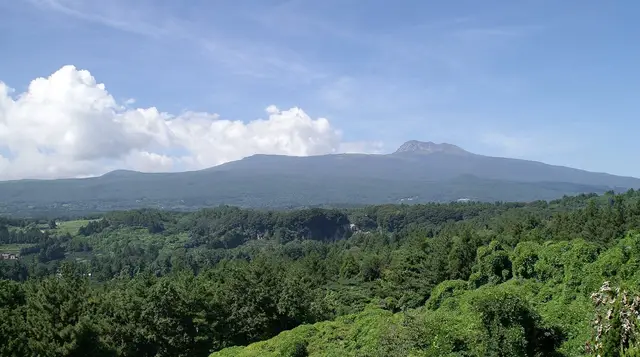
Hallasan National Park
Hallasan is South Korea's highest peak and a national park with four trails, seasonal quotas, and views that justify the climb on a clear day.

Jeju City
Jeju City is the island's capital and airport gateway — Dongmun Market, Yongduam Rock, and the first and last stop of most trips.

Jeju Islets (Udo, Gapado, Marado)
Jeju's outlying islets — Udo, Gapado, Marado, and Chagwido — reached by ferry, each with a distinct character from beaches to barley fields.
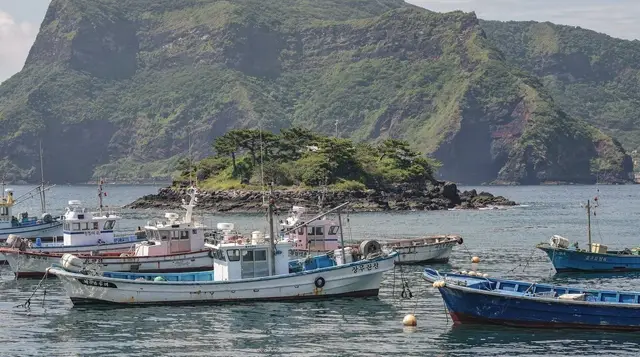
Seogwipo
Seogwipo is Jeju's southern coastal city — waterfalls, the Jungmun resort strip, and the mildest winters on the island, thanks to Hallasan.

Seongsan
Seongsan is the town at the foot of Ilchulbong sunrise peak — Jeju's most iconic UNESCO site and the ferry departure point for Udo Island.

West Jeju
West Jeju covers Aewol's cafe coast, Hallim's caves and dolphins, Osulloc's tea fields, and Sanbangsan's coastal cliffs.

Aewol
Aewol is Jeju's cafe-coast town — ocean-view coffee shops, the Handam coastal walk, and a fishing harbor a short drive from the airport.

Andeok
Andeok is Jeju's green-tea heartland — Osulloc's tea fields, the Spirited Garden bonsai collection, and Sanbangsan rising over the coast nearby.

Beophwan
Beophwan holds two of Seogwipo's best-kept sights — Oedolgae's lone sea stack and Soesokkak Estuary's traditional teu raft rides.

Gapado Island
Gapado, a flat islet off Moseulpo, is known for its green-to-gold barley fields and a quiet, unhurried alternative to the busier Udo Island.

Gimnyeong
Gimnyeong pairs one of Jeju's clearest turquoise beaches with a quirky maze park, and sits minutes from the Manjanggul lava tube entrance.

Gujwa
Gujwa spans Jeju's northeast coast and interior, home to Manjanggul lava tube and the Geomun-oreum volcanic crater hiking trail.

Hado
Hado holds Jeju's Haenyeo Museum and the history of the 1932 haenyeo resistance movement, alongside a quiet beach and wind-farm coastline.

Eorimok (Hallasan)
Eorimok is Hallasan's western trailhead, a gentler non-summit route toward Witse Oreum, popular for winter scenery and shorter hikes.

Seongpanak (Hallasan)
Seongpanak is Hallasan's eastern trailhead, the gentler of the two summit routes and the most commonly used entry point to the national park.

Hallim
Hallim is west Jeju's port town — Hallim Park's caves and gardens, dolphin-watching boats, and the gateway to Hyeopjae and Gwakji beaches.
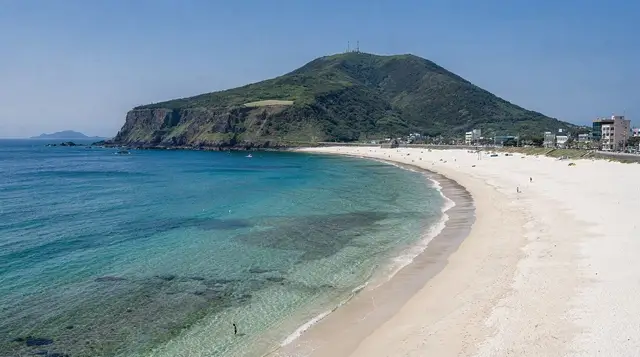
Hamdeok
Hamdeok is a north-coast beach town known for Seoubong Beach's turquoise shallows and the hill overlooking it, a short drive from Jeju City.

Hyeopjae
Hyeopjae is one of Jeju's most photographed beaches — pale sand, shallow turquoise water, and a view of Biyangdo island offshore.

Iho Tewoo
Iho Tewoo Beach is minutes from the airport, known for its red-and-white horse-shaped lighthouses and an easy sunset stop before a flight.
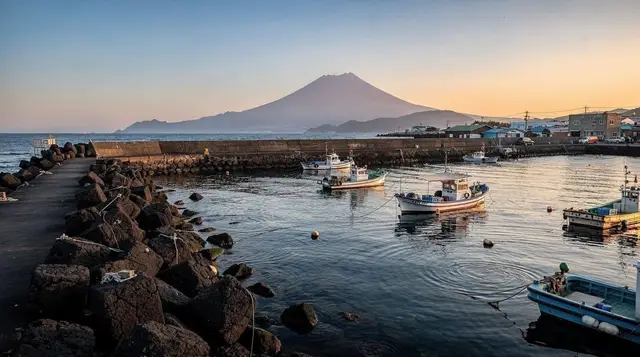
Jocheon
Jocheon is a north-coast fishing town near Manjanggul lava tube, and home to Bukchon-ri, a solemn site from the Jeju 4.3 Incident.

Jungmun
Jungmun is Seogwipo's resort district — international hotel chains, Jungmun Saekdal Beach, and the Jusangjeolli columnar cliffs a short drive away.

Marado Island
Marado, South Korea's southernmost inhabited point, pairs a working lighthouse with a small community built around its southernmost-branded cafes.

Moseulpo
Moseulpo is Jeju's southwestern fishing port and the departure point for Gapado and Marado ferries, known for fresh horse mackerel.

Pyoseon
Pyoseon has one of Jeju's widest, shallowest beaches — a family favorite at low tide — and sits closest to the inland Seongeup Folk Village.

Sagye
Sagye is the village at the foot of Sanbangsan — home to the grotto temple, Yongmeori Coast's tuff cliffs, and some of Jeju's best sunset views.

Seopjikoji
Seopjikoji is a windswept cape near Seongsan — grazing horses, a lighthouse, and a coastline famous as one of Jeju's best-known K-drama backdrops.

Udo Island
Udo Island, a 15-minute ferry from Seongsan, is Jeju's most popular islet — a flat perimeter road, pale-sand beaches, and peanut ice cream.

Woljeongri
Woljeongri pairs Jeju's most photographed turquoise beach with a dense strip of design-forward cafes — busy, but for good reason.

Yongdam
Yongdam is the Jeju City neighborhood around CJU airport, home to Yongduam rock, Yongyeon pond, and the island's densest hotel and car rental cluster.

Chagwido
Chagwido, off Jeju's northeast coast near Gujwa, is the least-developed and least-visited of the island's four outlying islets.

Daejeong
Daejeong is a quiet southwest farming town holding Jeju's most significant exile history — the Chusa Kim Jeong-hui site and Alddreu's WWII airfield ruins.

Gwakji
Gwakji Beach pairs a quiet stretch of west-Jeju sand with a natural cold spring, a calmer alternative to Hyeopjae just up the coast.

Hangyeong
Hangyeong is a quiet west-Jeju township centered on Suwolbong Peak's UNESCO Geopark cliffs and Ongpo Port's small-scale fishing harbor.

Jongdal
Jongdal is a small fishing village on Jeju's windiest stretch of coast — offshore turbines, a quietly beautiful beach, and almost no crowds.

Namwon
Namwon is a quiet farming-and-fishing coastline between Seogwipo and Pyoseon — clear water, working harbors, and none of the crowds further east.
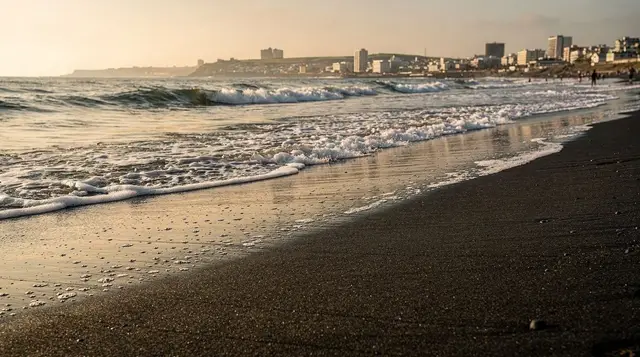
Samyang
Samyang is a Jeju City neighborhood known for its black-sand beach, a traditional summer sand-bath spot just east of downtown.

Sehwa
Sehwa holds one of Jeju's largest traditional 5-day markets alongside a quiet beach, a genuine break from the northeast coast's busier photo-strip towns.

Sinchang
Sinchang's coast road, lined with wind turbines against open sea, is one of Jeju's most distinctive drives and a quiet sunset photography stop.

Sinyang
Sinyang Beach's steady wind and shallow lagoon-like water make it Jeju's best windsurfing and kitesurfing spot — and one of its calmer, less crowded ones.

Songak
Songak is home to Songaksan's coastal crater walk and Alddreu Airfield's wartime ruins, a quiet, history-heavy corner of southwest Jeju.
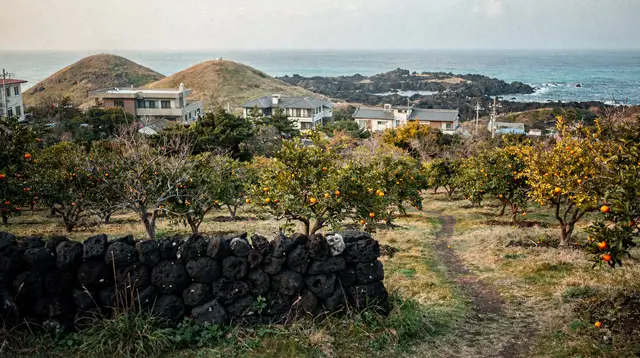
Wimi
Wimi is a quiet coastal village on Seogwipo's east side, home to a century-old camellia forest and some of Jeju's best hallabong tangerine orchards.
More tours on Viator
Top-rated experiences with verified reviews, bookable on Viator (a Tripadvisor company).
 Viator
Jeju East Essentials – Seongsan Ilchulbong (UNESCO) & Haenyeo
From$54Check availability → Viator
Jeju South-West Essentials: Hallasan & Signature Highlights
From$54Check availability → Viator
Jeju Island Popular Sightseeing Private Car Charter Tour 5/9hours
From$113Check availability → Viator
Jeju Island English Private & Flexible Tour any number anywhere
From$212Check availability → Viator
Jeju Southern UNESCO Full Day Tour with Mt.Halla
From$54Check availability → Viator