
Jeju Islets (Udo, Gapado, Marado)
Jeju's outlying islets — Udo, Gapado, Marado, and Chagwido — reached by ferry, each with a distinct character from beaches to barley fields.
Quick facts
Top tours and experiences
We earn a small commission if you book through GetYourGuide — at no extra cost to you. Every tour is hand-picked and verified.
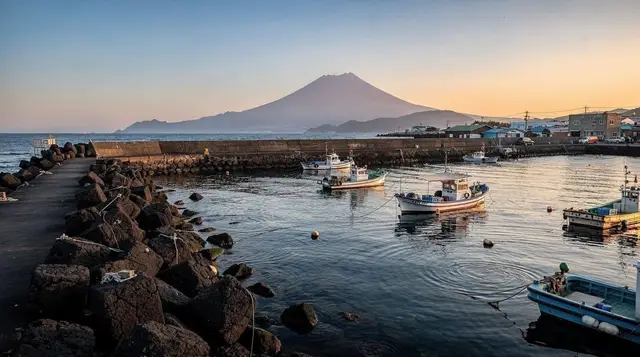
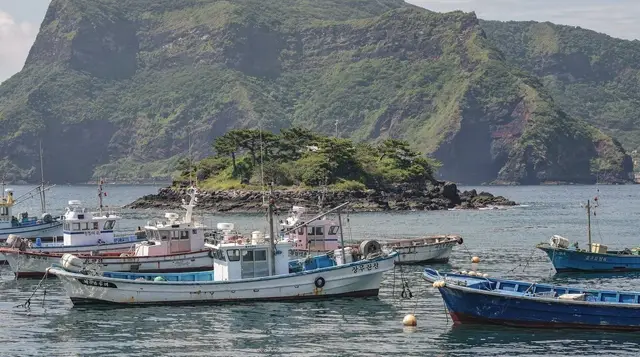
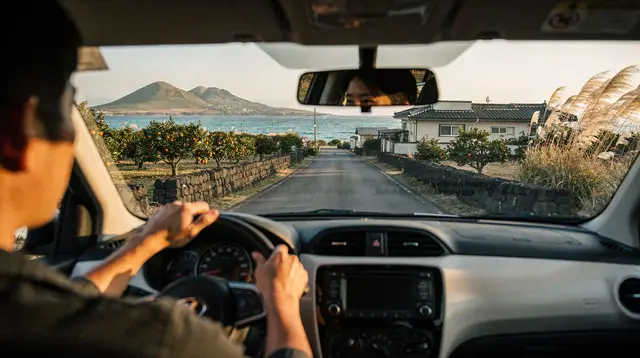
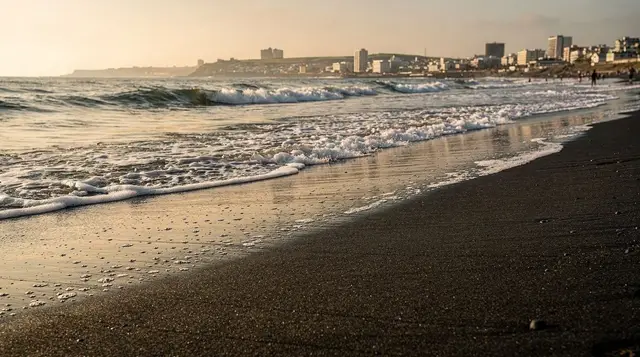
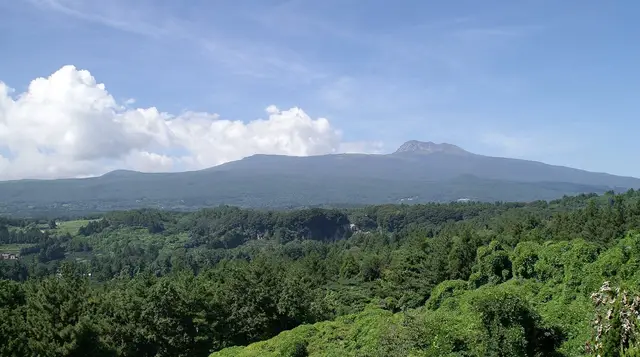

Jeju itself is an island, but it has its own smaller islands offshore, each reached by a short ferry crossing and each with a personality distinct enough that “island-hopping” is a genuine, worthwhile add-on to a Jeju trip rather than a gimmick. Udo is the largest and most developed for tourism; Gapado and Marado are smaller, quieter, and built around barley fields and a lighthouse respectively; Chagwido is the least visited and least developed of the four.
| Where | Seongsan (Udo ferry) or Moseulpo (Gapado/Marado ferry) |
| Cost | Around ₩8,500-18,000 round-trip per islet, plus rental if biking |
| Time needed | Half a day per islet; Udo can fill a full day |
| Getting there | Ferry only — no departure point near Hallasan or the interior |
| Best time | Any calm-sea day; spring and autumn for the most reliable weather |
The one rule that governs everything here
Every ferry to every islet depends on sea conditions, and cancellations happen with limited notice when winds or swell pick up — this is the single most important planning fact for this region. Build a buffer day into your itinerary if an islet visit matters to your trip, and always check the morning-of status rather than assuming a booked crossing will run. This applies most strictly in typhoon season (late August-September) and during winter storms, but can affect any day of the year.
Udo Island
Reached by a roughly 15-minute ferry crossing from Seongsan’s port on Jeju’s east coast, Udo (“cow island,” for its shape when viewed from above) is by far the most visited of the outlying islets — flat enough to circle by bike or e-bike in a few hours, ringed by beaches with an unusually pale, coral-fragment sand, and dotted with cafés serving the island’s signature peanut ice cream (Udo grows peanuts as a local specialty crop). Ferries run frequently in good weather, roughly every 20-30 minutes in peak season, with round-trip tickets around ₩8,500-10,500 depending on the ferry company and whether you bring a rental scooter or bike aboard.
Jeju: Udo Island E-Bike, Seongsan Ilchulbong & Speed Boat bundles the crossing with e-bike rental, a practical way to cover Udo’s roughly 17km perimeter road without arranging bike rental separately on arrival — useful in peak season when rental shops near the port can run out of bikes. The full Udo day trip guide and the Udo Island destination page cover ferry schedules, bike rental price comparisons, and a suggested loop route in more depth.
Gapado Island
A small, flat island off the southwestern coast near Moseulpo, known almost entirely for its barley fields, which turn a striking green-to-gold through spring and early summer and host a barley festival timed to the bloom. Gapado is quieter than Udo by a wide margin — no crowds of tour buses, a handful of small restaurants, and a walkable loop that takes an hour or two on foot (bikes are also available to rent near the ferry dock). Ferries run from Moseulpo port, a roughly 15-minute crossing, with a more limited schedule than Udo’s — check current departure times before planning your day around a specific return sailing.
Marado Island
South Korea’s southernmost inhabited point, a small island dominated by a lighthouse and a handful of restaurants that lean into the “southernmost” branding (a “southernmost restaurant,” “southernmost café,” and so on). It’s reachable by ferry from Moseulpo, the same port serving Gapado, though the two islands require separate crossings — they aren’t connected to each other by ferry. Marado is walkable in under an hour end to end; most visitors treat it as a symbolic stop (standing at Korea’s southernmost point) rather than a destination with deep sightseeing, and that’s a fair characterization — go for the novelty and the lighthouse views, not expecting a full day of activities.
The Gapado & Marado day trip guide covers how to combine both islands in a single day from Moseulpo, along with current ferry timetables.
Chagwido
The least-visited and least-developed of Jeju’s outlying islets, reached from the northeastern coast near Gujwa. Chagwido sees a fraction of the ferry traffic of Udo and has minimal tourist infrastructure — no crowds of cafés or bike rental stands, just a small fishing community and quiet coastal walking. It’s a genuine off-the-beaten-path option for visitors who’ve already done Udo and want something with none of the crowds, but go with realistic expectations about limited food and facility options on arrival.
Ferry logistics, honestly
None of these ferries can be booked with total certainty months in advance the way a flight can — schedules are published, but weather-driven cancellations are common enough that experienced Jeju travelers treat any islet crossing as provisional until the morning of departure. Bring cash for on-the-spot ticket purchases where online booking isn’t reliably available, and if visiting multiple islets in one trip, don’t schedule them back-to-back with no slack — a delayed or cancelled morning ferry to one islet can cascade into missing the afternoon connection to another. The ferry schedules guide consolidates current departure times and cancellation patterns across all four islets.
Getting to the departure ports
Seongsan’s ferry terminal (for Udo) is in east Jeju, about 60-70 minutes from Jeju City by car. Moseulpo port (for Gapado and Marado) sits near Moseulpo in the island’s southwest, roughly 50-60 minutes from Jeju City and closer to Seogwipo. Chagwido’s departure point near Gujwa is about 40-50 minutes from Jeju City. None of the islets have a departure port near Hallasan or the island’s interior, so factor in the coastal drive regardless of where you’re based.
Where to stay for an islet trip
Most visitors day-trip to the islets rather than overnighting, but Udo has a small number of guesthouses if you want to catch a sunrise or sunset without racing the last ferry back. Basing yourself in Seongsan the night before or after an Udo trip is the most practical approach for the eastern islets; for Gapado and Marado, Moseulpo or nearby Daejeong serve the same purpose.
Seasonal notes
Spring and autumn generally offer the calmest, most reliable ferry conditions. Summer brings warmer water for anyone wanting to swim off Udo’s beaches, but also the monsoon (July) and typhoon risk (late August-September), both of which disrupt ferry schedules significantly. Winter seas can be rough enough to cancel crossings on short notice even on otherwise clear days — check conditions the morning of, not the night before.
Budget for an islet day trip
Udo’s round-trip ferry runs roughly ₩8,500-10,500 depending on the operator, plus e-bike or bike rental (₩15,000-25,000 for a half-day) if you want to cover the full perimeter road rather than walking a short stretch. Gapado and Marado ferries from Moseulpo run in a similar price range per crossing, generally slightly less than Udo’s. Food on the islets — cafés, simple seafood restaurants — runs comparable to mainland Jeju prices, sometimes a touch higher given the logistics of supplying a small island. A full day covering Udo, including ferry, bike rental, ice cream, and lunch, comes to roughly ₩40,000-60,000 (about US$30-45) per person.
What to pack for an islet crossing
Wind is a constant on any Jeju ferry crossing, even on days that feel calm on land — a light windbreaker is worth carrying regardless of season. Sun protection matters more than usual on Udo and Gapado specifically, since much of the perimeter cycling routes run exposed with little shade. Bring cash: while larger ferry operators and rental shops increasingly accept cards, smaller island vendors and last-minute ticket counters sometimes remain cash-only.
Comparing the four islets side-by-side
| Islet | Departure port | Crossing time | Main draw | Crowd level |
|---|---|---|---|---|
| Udo | Seongsan | ~15 min | Cycling loop, beaches, peanut ice cream | High, especially peak summer |
| Gapado | Moseulpo | ~15 min | Barley fields, flat walking loop | Low-moderate |
| Marado | Moseulpo | Longer, choppier | Korea’s southernmost point, lighthouse | Moderate, brief stays |
| Chagwido | Gujwa (northeast) | Limited sailings | Off-the-beaten-path fishing village | Very low |
Can I do two islets in one day?
Realistically, not Udo alongside Gapado or Marado — Udo departs from Seongsan on the east coast, while Gapado and Marado leave from Moseulpo in the southwest, and the drive between the two ports alone runs well over an hour, before factoring in the two separate ferry crossings themselves. What does work in a single day is Gapado and Marado together, since both share the Moseulpo terminal, or a single islet paired with mainland sights near its departure port — Seongsan Ilchulbong alongside Udo, or Sanbangsan and Songaksan alongside Gapado or Marado. Trying to force all four islets into one day almost always means rushing at least one of them, and a cancelled or delayed crossing anywhere in the chain can unravel the whole plan.
Paying for ferry tickets
Larger operators running the Udo and Gapado/Marado routes increasingly accept cards, but smaller ticket counters and last-minute purchases can still be cash-only, particularly outside peak season when staffing is lighter. It’s worth carrying enough Korean won in cash to cover a round-trip ferry and a rental bike or e-bike, rather than assuming a card will work at every counter — this matters more on a quiet weekday than a busy weekend, when a fuller staff roster tends to mean more payment flexibility.
Bringing luggage or large bags
If you’re island-hopping between accommodation changes rather than day-tripping from a fixed base, note that none of the islet ferries have significant luggage storage, and dragging a full suitcase around Udo’s perimeter road or Gapado’s barley-field loop is genuinely impractical. It’s worth leaving larger bags at your Jeju City or Seongsan/Moseulpo accommodation, or in a rental car’s trunk near the port, and carrying only a day bag onto the ferry itself.
An honest take on the “must-do” framing
Udo in particular is heavily marketed as an essential Jeju add-on, and while it’s genuinely worthwhile, it’s also worth being honest that it doesn’t dramatically outshine the main island’s own coastal scenery — the appeal is as much the novelty of the ferry crossing and the change of pace as it is unique scenery unavailable elsewhere on Jeju. Visitors with limited time who are debating between an islet day trip and an additional day exploring the main island’s east or west coasts shouldn’t feel obligated to prioritize an islet crossing over genuinely excellent mainland sights, especially if ferry weather looks uncertain.
If the forecast turns against you, a good fallback is to keep the day and swap the crossing for the mainland coast nearby. a guided day tour of the eastern UNESCO sites covers the same side of the island as the Udo ferry, so it works as a plan B that needs no sea conditions at all. The east Jeju day tour guide and the day tours comparison help you weigh that option against a self-driven day.
Frequently asked questions about Jeju’s islets
Which islet should I visit if I only have time for one?
Udo, for the combination of scenery, food, and easy logistics — it has the most reliable ferry frequency and the most to do once you arrive.
Can I visit Gapado and Marado on the same day?
Yes, both depart from Moseulpo port, though they require separate ferry crossings since the islands aren’t connected to each other. Check the day’s ferry schedule to plan a realistic sequence.
Do ferries run in winter?
Yes, but with more frequent weather-related cancellations than spring or autumn. Always check morning-of conditions rather than relying on an advance booking alone.
Is a rental scooter or bike necessary on Udo?
Not strictly necessary — Udo can be explored slowly on foot for short stretches — but the island’s roughly 17km perimeter road is much more manageable by e-bike or scooter if you want to see the whole loop in a day.
How far in advance should I book islet ferries?
Same-day or day-before booking is usually sufficient outside of peak summer weekends and holidays, when it’s worth reserving further ahead if the ferry company allows online booking.
Is Chagwido worth the extra effort to reach?
Only if you specifically want a quiet, undeveloped alternative to Udo — it has real charm for that purpose but very little in the way of food or facilities, so plan accordingly.
What happens if my ferry back to Jeju is cancelled?
Ferry operators typically run the next available crossing once conditions improve, but in a serious storm this can mean a genuinely delayed return — always keep slack in your itinerary and let your accommodation know if you might return late.
Can I bring a rental car onto any of these islets?
No — passenger vehicles from the main island aren’t ferried across to Udo, Gapado, or Marado; all four islets are explored on foot, by rented bicycle or e-bike, or via small local shuttle scooters available near the port on Udo.
Are the islets suitable for visitors with mobility limitations?
Udo and Gapado are relatively flat and manageable with assistance, though facilities are basic and ferry boarding can involve steps or a gangway depending on tide and dock conditions; Marado’s terrain is similarly manageable but equally short on formal accessibility infrastructure.


