
Udo Island
Udo Island, a 15-minute ferry from Seongsan, is Jeju's most popular islet — a flat perimeter road, pale-sand beaches, and peanut ice cream.
Quick facts
Top tours and experiences
We earn a small commission if you book through GetYourGuide — at no extra cost to you. Every tour is hand-picked and verified.
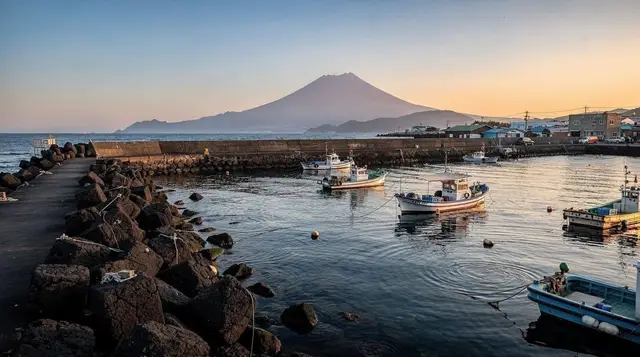
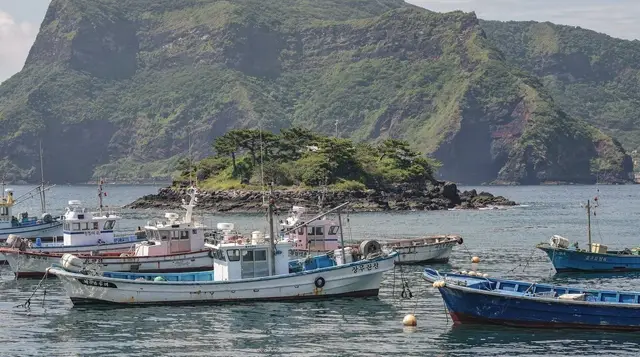
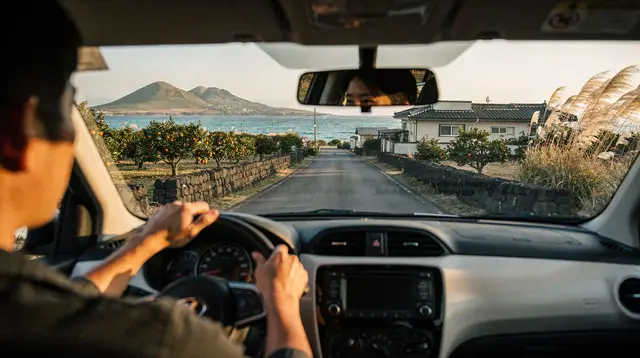
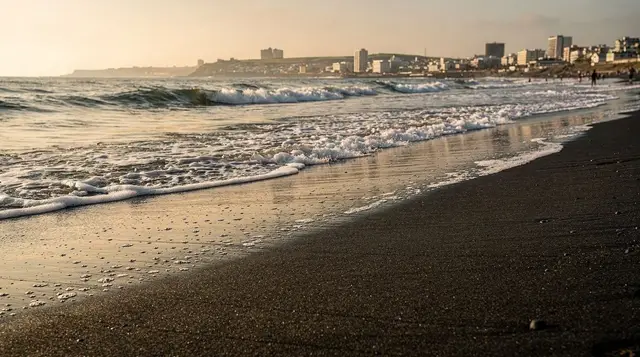
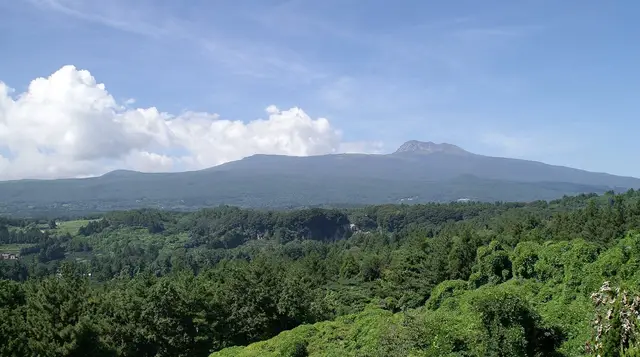

Udo — “cow island,” named for its shape when viewed from above — is Jeju’s most-visited outlying islet, a roughly 17km perimeter road ringing a flat landscape of beaches, peanut fields, and small cafés, reached by a short ferry from Seongsan on Jeju’s east coast. It’s the most developed of the four islets for tourism, and correspondingly the busiest, but the scenery and ease of a half-day loop by bike make it worth the crowds for most first-time visitors.
| Where | 15-min ferry from Seongsan Port |
| Cost | Ferry ₩8,500-10,500 round trip; e-bike ₩15,000-25,000/half-day |
| Time needed | Half a day to a full day |
| Getting around | E-bike, bicycle, or on foot — no private cars allowed |
| Best time | Spring and autumn for calm ferry seas |
Getting there
Ferries to Udo depart from Seongsan Port, a roughly 15-minute crossing, running frequently in good weather — every 20-30 minutes in peak season — with round-trip tickets typically ₩8,500-10,500 depending on the ferry company and whether you’re bringing a rental scooter or bike aboard. Like all islet ferries around Jeju, crossings depend on sea conditions and can be cancelled with limited notice in rough weather, most commonly during typhoon season (late August-September) and winter storms — check the morning-of status before committing your day’s plan to a Udo trip.
The perimeter road, by e-bike
Udo’s roughly 17km loop road is flat enough to circle comfortably by e-bike or bicycle in a few hours, and this is genuinely the best way to experience the island — walking the full loop is possible but long, while a car isn’t an option for visitors (only local vehicles and a limited number of licensed tour vehicles operate on the island). Jeju: Udo Island E-Bike, Seongsan Ilchulbong & Speed Boat bundles the ferry crossing with e-bike rental in a single booking, a practical way to guarantee a bike in peak season, when rental shops near the port can genuinely run out of stock by mid-morning.
Beaches with coral-fragment sand
Udo’s beaches, most notably Seobin Baeksa on the island’s west side, have an unusually pale sand made partly of coral fragments rather than the typical basalt-derived black or grey sand found elsewhere on Jeju — the water is correspondingly clear, shallow, and a strikingly turquoise color on a sunny day. Swimming is possible in summer, though many visitors treat the beaches primarily as a scenic stop along the loop rather than a full beach day, given the ferry logistics involved in getting here.
Peanut ice cream and local food
Udo grows peanuts as a genuine local specialty crop, and peanut-flavored everything — ice cream, lattes, breads — has become the island’s signature food souvenir, sold at cafés scattered along the loop road. It’s a reasonably priced, low-effort way to try something locally specific rather than generic tourist fare, typically ₩5,000-8,000 for a cone or cup. Beyond peanuts, small seafood restaurants near the port serve fresh catch at prices comparable to mainland Jeju.
The lighthouse and Udo Peak
At the island’s highest point, a lighthouse and viewpoint (Udo Peak, a modest hill rather than a serious climb) offer a wide panorama over the loop road, the surrounding sea, and back toward Seongsan Ilchulbong on the mainland side. It’s a worthwhile short detour off the main loop road for anyone with time to spare, particularly for photos looking back at the volcanic cone across the water.
Getting to the departure port
Seongsan’s ferry terminal sits in east Jeju, about 60-70 minutes by car from Jeju City, or somewhat less from Seogwipo. Most visitors combine a Udo day trip with a visit to Seongsan Ilchulbong itself, either before or after the ferry crossing, given how close the two sights sit to each other.
If you would rather not drive or handle buses with an early ferry in mind, a private transfer to the Seongsan Ilchulbong area removes the logistics of reaching the port on time. Travelers arriving by air can read the airport transfers guide and the Jeju bus guide to compare options, while those who prefer their own wheels will find the car rental and IDP guide and the driving road trip tips useful before heading east.
A realistic half-day plan
Take an early-to-mid-morning ferry to beat both crowds and any afternoon wind pickup, rent an e-bike near the port, and circle the loop at a relaxed pace, stopping at Seobin Baeksa beach, a peanut ice cream café, and the lighthouse viewpoint. This covers Udo’s main highlights in roughly three to four hours including stops, leaving time to catch an afternoon ferry back and still fit in Seongsan Ilchulbong the same day if you’re efficient with timing.
Where to stay
Most visitors day-trip to Udo rather than overnighting, but a small number of guesthouses exist on the island for anyone wanting to catch a sunrise or a quiet evening without racing the last ferry back — a genuinely different experience from the daytime crowds. Basing yourself in Seongsan the night before or after is the more practical approach for most itineraries.
Budget for a Udo day trip
The round-trip ferry runs roughly ₩8,500-10,500, plus e-bike or bike rental at ₩15,000-25,000 for a half-day if you want to cover the full loop rather than walking a short stretch near the port. Peanut ice cream and a simple lunch add another ₩15,000-20,000 per person. A full day covering the ferry, e-bike rental, food, and the lighthouse viewpoint comes to roughly ₩40,000-60,000 (about US$30-45) per person.
Seasonal notes
Spring and autumn generally offer the calmest, most reliable ferry conditions and the most comfortable cycling weather. Summer brings warmer water for swimming at Seobin Baeksa but also monsoon (July) and typhoon (late August-September) disruption risk to ferry schedules. Winter seas can cancel crossings on short notice even on otherwise clear days, and wind along the exposed loop road makes cycling noticeably harder.
Toilets and rest stops along the loop
Public restrooms and small convenience stops are spaced reasonably well along Udo’s perimeter road, more so than on the smaller islets further southwest, given Udo’s greater tourist infrastructure — a practical advantage worth knowing if you’re cycling the full loop with children or anyone needing more frequent breaks.
Sun protection on the loop road
Much of Udo’s perimeter road runs with limited shade, particularly on the exposed stretches away from the port and main café clusters — sunscreen, a hat, and sunglasses are worth having even on an overcast day, since UV exposure over several hours of cycling adds up regardless of visible sun intensity.
Hongjodangpo and the island’s other beaches
Beyond Seobin Baeksa, Udo has several smaller beaches worth a stop along the loop road, including Hongjodangpo on the island’s more sheltered side, generally calmer and less crowded than the more famous coral-sand beach. These secondary beaches rarely appear in short highlight lists of Udo but offer a quieter alternative for anyone who finds Seobin Baeksa’s crowds off-putting during peak visiting hours.
The sunrise option
Because a small number of guesthouses operate on Udo, staying overnight opens up the option of watching sunrise from the island — genuinely different in character from the more crowded daytime loop, with soft early light over the water and the mainland’s Seongsan Ilchulbong visible across the strait. This requires committing to an overnight stay rather than a day trip, a bigger logistical step than most visitors take, but a worthwhile one for photographers or anyone specifically chasing a quieter version of the island.
Renting bikes versus e-bikes
Standard bicycles are cheaper to rent than e-bikes but require considerably more effort to complete the full 17km loop, particularly against headwinds, which are common along Udo’s exposed coastal stretches. E-bikes cost more but make the full loop accessible to a wider range of fitness levels and ages — for families or anyone not looking for a workout, the e-bike premium is generally worth paying. Scooters are also available for rent from some operators, requiring a valid license and generally not included in bundled tour packages.
Udo’s fishing and farming economy
Beyond its tourism identity, Udo supports a genuine local economy built on fishing and the peanut farming that gives the island’s signature food its raw material — a useful reminder, much like Gapado’s barley fields, that these islets are working communities first and tourist destinations second. Respecting this — not wandering into private farmland off the main loop road, being mindful around working fishing areas near the port — is a reasonable baseline for visitors.
Food beyond peanut ice cream
While peanut ice cream is Udo’s signature food souvenir, the island also has a handful of restaurants serving fresh seafood near the ferry port, priced comparably to mainland Jeju coastal towns. Peanut-flavored options extend well beyond ice cream at this point — lattes, breads, and even some savory dishes incorporate the local crop, making it worth trying more than one variation if the novelty appeals to you rather than stopping at the first ice cream stand you see.
What to skip if you’re short on time
If you only have two to three hours on Udo rather than a full day, prioritize the loop’s western stretch covering Seobin Baeksa beach and skip the full circuit — a partial loop by e-bike still captures the island’s core visual appeal without the time commitment of the complete 17km circumference. The lighthouse viewpoint, while worthwhile, is the first thing to cut if time is genuinely tight.
Combining Udo with a broader east Jeju day
Most visitors pair Udo with Seongsan Ilchulbong and possibly Seopjikoji in a single east-Jeju day, given how close all three sit to each other. The east Jeju day tour guide covers how to sequence these sights alongside the ferry crossing without an overly rushed schedule.
Anyone who prefers to have the day organized can look at an eastern Jeju tour paced for relaxed walkers, then add the ferry crossing on your own if the itinerary leaves room. The east Jeju itinerary shows how a Udo day slots into a longer stay, and the Jeju islets ferry guide and the islet day trip guide for Udo go deeper on timing. For extra context on the area, see Seongsan, Gujwa, Hado, and the Udo island day trip blog post. If weather turns, the typhoon season guide and the water sports safety and seasons guide help you decide whether to go at all, and the first-time Jeju planning guide helps place Udo within the wider trip.
Udo versus Jeju’s other islets
Udo isn’t the only offshore islet worth considering, and knowing how it compares helps decide whether it’s the right pick for your trip.
| Udo | Gapado | Marado | |
|---|---|---|---|
| Ferry from | Seongsan (east) | Moseulpo (southwest) | Moseulpo, via Gapado or direct |
| Character | Developed, cafés, e-bikes | Quiet barley fields, flat | Jeju’s southernmost point, minimal |
| Crossing time | About 15 min | About 15 min | About 25-30 min |
| Crowd level | Busiest of the four islets | Quieter | Quietest, weather-dependent |
For the full comparison beyond this table, see the Jeju islets overview, and the Gapado and Marado day trip guide if you’re weighing a southwest-coast islet trip instead of or alongside Udo.
Family-friendly Udo
Udo’s flat loop road and e-bike infrastructure make it one of the more manageable full-day outings for families with older children, though very young kids may struggle with a multi-hour ride. The Jeju with kids guide covers how a Udo day trip fits into a broader family itinerary, and the ferries to islets guide has practical notes on boarding with strollers or younger children.
Frequently asked questions about Udo Island
How long does the ferry to Udo take?
About 15 minutes from Seongsan Port, Jeju’s main departure point for this islet.
Do I need to rent an e-bike, or can I walk the loop?
An e-bike or bicycle is strongly recommended given the roughly 17km perimeter distance — walking the full loop is possible but a long day; most visitors don’t attempt it on foot.
Can I bring a car to Udo?
No, private cars aren’t permitted on the island — visitors get around by e-bike, bicycle, on foot, or a limited number of licensed tour shuttles.
Is Udo crowded?
Yes, it’s the most-visited of Jeju’s outlying islets, particularly on weekends and around midday — an early or late ferry departure helps avoid the worst of it.
What’s the best time of year to visit Udo?
Spring and autumn for the calmest ferry seas and most comfortable cycling weather, though summer is popular for swimming at the beaches.
Can I combine Udo with Seongsan Ilchulbong in one day?
Yes, they sit right next to each other, and a combined day covering both is one of the most common east-Jeju itineraries.
Can I stay overnight on Udo?
Yes, a small number of guesthouses operate on the island, opening up the option of a sunrise or sunset visit away from the daytime crowds — a genuinely different experience worth considering if your schedule allows.
Should I rent a bike or an e-bike?
E-bikes are worth the extra cost for most visitors, particularly given headwinds common along the exposed loop road — standard bicycles work but require considerably more effort to complete the full circuit.
Is Udo suitable for a half-day visit, or do I need the whole day?
A focused two-to-three-hour visit covering the western loop and Seobin Baeksa beach is enough to see the island’s core appeal; a full day allows for the complete 17km loop, the lighthouse, and a more relaxed pace.
Are there ATMs or currency exchange on Udo?
Facilities are limited compared to mainland Jeju — bring enough cash for the day, since not every small vendor accepts cards, and don’t count on finding an ATM easily on the island.
How does Udo compare to Gapado or Marado?
Udo is more developed and busier, with cafés, e-bike rental, and coral-sand beaches; Gapado and Marado are quieter, less-infrastructured islets better suited to travelers seeking solitude over convenience.
Is Udo suitable for families with young children?
Yes for older children who can manage a multi-hour e-bike ride; very young children may find the full loop tiring, so plan a shorter partial-loop visit instead.


