
Beophwan
Beophwan holds two of Seogwipo's best-kept sights — Oedolgae's lone sea stack and Soesokkak Estuary's traditional teu raft rides.
Quick facts
Top tours and experiences
We earn a small commission if you book through GetYourGuide — at no extra cost to you. Every tour is hand-picked and verified.
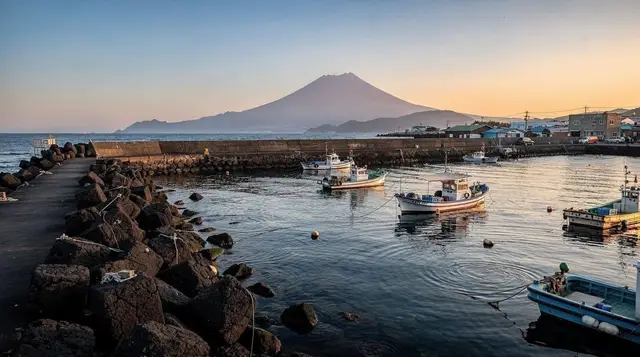
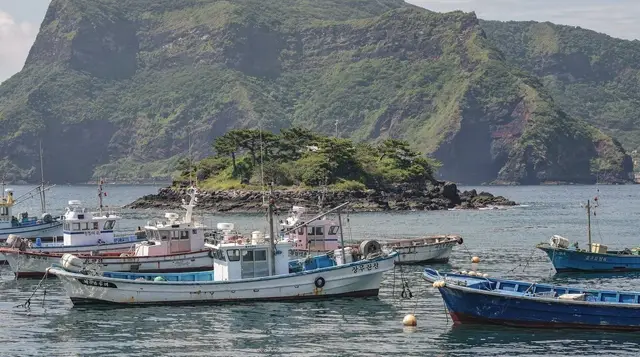
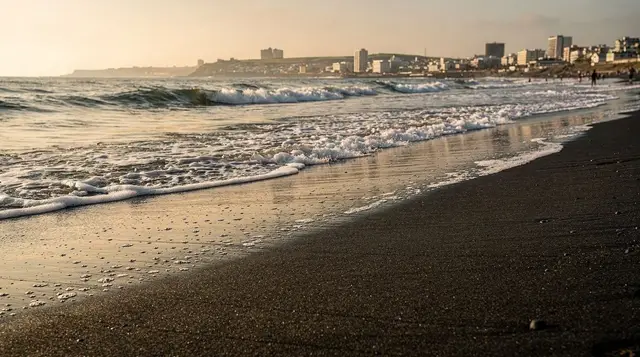
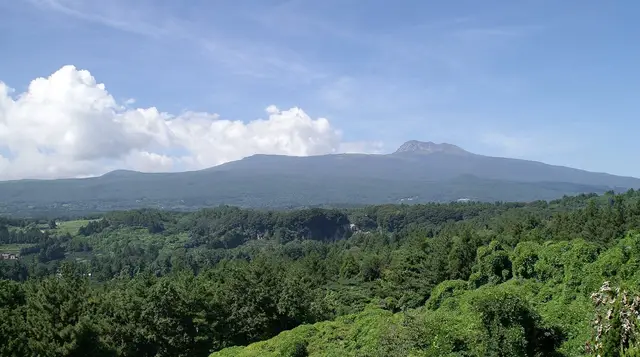

Beophwan-dong sits just east of central Seogwipo’s downtown, close enough to walk from the old town on a good day, and holds two of the south coast’s most distinctive natural features: Oedolgae, a solitary 20-meter sea stack standing just offshore, and Soesokkak, a freshwater-meets-seawater estuary where traditional wooden rafts once used by local fishermen now carry visitors along a narrow, cliff-lined gorge.
| Where | Beophwan-dong, east of central Seogwipo |
| Cost | Oedolgae free; Soesokkak teu raft ₩10,000-15,000/person |
| Time needed | Half a day, easily combined with central Seogwipo |
| Getting there | 45-55 min by car from CJU; 5-10 min taxi from Seogwipo old town |
| Best time | Morning light for Oedolgae; Soesokkak works any time |
Oedolgae Rock
Oedolgae — literally “lone rock” — is a basalt sea stack rising straight out of the water a short distance from the coastal cliffs, reachable via an easy paved walking path along the Jeju Olle Trail’s coastal route. Local legend ties the rock to the story of a haenyeo whose husband was lost at sea and who turned to stone waiting for his return, a story repeated at several similar rock formations around Korea’s coast but genuinely fitting here given how prominent the haenyeo tradition remains in this stretch of Jeju. The walk to the viewpoint takes 10-15 minutes each way from the nearest parking area, flat and manageable for most visitors, with the best light in the morning when the sun comes from behind the viewing point rather than directly into your eyes.
Soesokkak Estuary and teu raft rides
A short drive east of Oedolgae, Soesokkak is where the Hyodoncheon stream meets the sea in a narrow, dramatically cliff-walled gorge — technically an estuary where fresh water and seawater mix, giving the water a distinctive still, deep-green color under the cliff shadows. Traditional wooden rafts called teu, once used by local fishermen and to gather seaweed, now carry visitors along the gorge on short guided rides, typically running ₩10,000-15,000 per person for about 20-30 minutes, weather and water levels permitting. It’s a genuinely calm, scenic experience distinct from anything else on Jeju’s coast — closer to a slow river cruise than the dramatic cliff-and-wave scenery found elsewhere on the island.
The area’s haenyeo connection
This stretch of coast, like much of southern Jeju, has a living haenyeo (sea-women diver) presence, and it’s not unusual to see divers working the waters near Oedolgae or Soesokkak’s mouth on a calm day. The Haenyeo culture guide has the fuller background on the tradition, which UNESCO recognized as an Intangible Cultural Heritage in 2016.
What to wear for both stops
The walk to Oedolgae is easy and paved, so ordinary walking shoes are fine; the Soesokkak raft ride can involve some spray from the water and a slightly wobbly boarding process, so avoid anything you’re not comfortable getting a little wet or that’s difficult to move in.
Getting here
Beophwan is about 45-55 minutes by car from CJU airport, and just 5-10 minutes from central Seogwipo’s downtown — close enough that many visitors walk or take a short taxi ride from a Seogwipo hotel rather than driving separately. It sits between Jungmun to the west and Wimi and Namwon continuing east along the coast. Local buses connect Beophwan to central Seogwipo, though a car or taxi makes visiting both Oedolgae and Soesokkak in the same outing considerably more efficient, since they’re a few kilometers apart along the coast road.
South-West Jeju Essentials: Hallasan & UNESCO Highlights covers this general area as part of a broader southwest day tour, a reasonable option if you’re combining Beophwan’s sights with other regional highlights rather than visiting standalone.
Where to stay
Beophwan’s proximity to central Seogwipo means most visitors simply stay in Seogwipo proper and treat Oedolgae and Soesokkak as short excursions rather than seeking accommodation in Beophwan itself, though a handful of smaller guesthouses do exist closer to the coast for travelers who want to wake up near the water.
Food in Beophwan
A cluster of seafood restaurants near the Soesokkak area serves the catch typical of this coast, generally ₩15,000-25,000 per person for a proper seafood meal, with more casual and cheaper options (₩8,000-14,000) near the Oedolgae parking area. Given the short drive back to central Seogwipo’s much larger dining scene, many visitors save a bigger meal for the old town and treat Beophwan as a snack-and-sightseeing stop.
Budget for a Beophwan half-day
Oedolgae has no entry fee for the walking path and viewpoint. Soesokkak’s teu raft ride runs ₩10,000-15,000 per person. A casual meal near either site runs ₩8,000-20,000 per person. A half-day covering both sights and a meal comes to roughly ₩20,000-35,000 (about US$15-26) per person.
Combining Beophwan with central Seogwipo
Because it’s so close to downtown, Beophwan is one of the easiest half-day add-ons to a Seogwipo stay — a morning at Oedolgae, lunch back in the old town or near the harbor, and an afternoon raft ride at Soesokkak before heading to Cheonjiyeon Waterfall or the Dongmun-style market food options that Seogwipo’s own market offers. It requires none of the driving commitment of the more distant southwest sights around Sagye or Andeok.
If you would rather have the old town explained than navigate it alone, a guided walking tour of Seogwipo around sunset fits neatly after a Beophwan morning, and for a food-focused afternoon, a culinary tour through a traditional market is a good way to taste what the coast’s seafood restaurants only hint at. Both are optional extras, since the sights in Beophwan itself need no booking.
The Olle Trail connection
Both Oedolgae and Soesokkak sit along sections of the Jeju Olle Trail’s coastal routes near Seogwipo, and hikers working through the trail system will pass both sites as a matter of course. The Olle Trail overview covers which numbered courses run through this stretch, useful if you’re tackling the trail in sections rather than visiting Beophwan as a standalone stop.
Seasonal notes
Both sights work year-round. Soesokkak’s raft rides are weather-dependent and can be suspended during high winds, heavy rain, or rough water — worth checking ahead if it’s a rainy season visit. Oedolgae’s morning light is more dramatic in the clearer air of autumn and winter than the haze that can settle over summer mornings.
The teu raft tradition
The wooden rafts used at Soesokkak descend from a genuine local fishing tradition rather than a manufactured tourist activity — teu were historically used by residents to gather gray mullet, seaweed, and other coastal resources in the estuary’s calm water, a practice that predates any organized tourism here by generations. The modern guided rides preserve the raft design and much of the original technique, even if the passengers today are visitors rather than working fishermen. It’s worth asking your guide, if you take a raft ride, about how the practice has changed — many operators are happy to talk through the history if you show interest.
Oedolgae’s place in the Olle Trail
The path to Oedolgae forms part of the broader Jeju Olle Trail’s coastal route through this section of Seogwipo, meaning hikers working through the trail in sequence will pass the rock formation regardless of whether they’ve specifically sought it out. If you’re doing a longer Olle Trail stretch through this area, Oedolgae functions as a natural waypoint and rest stop rather than a separate destination requiring its own trip.
Comparing Beophwan’s pace to central Seogwipo
Central Seogwipo’s old town and harbor area have a livelier, more commercial energy — restaurants, the Maeil Olle traditional market, more foot traffic. Beophwan, just a few minutes away, feels distinctly calmer: fewer people, quieter roads, and a slower rhythm around both Oedolgae and Soesokkak. The contrast is worth experiencing directly, since it shows how much variation exists within what looks like a single compact city on a map.
A good stop for an early morning or an evening
Because Beophwan’s sights don’t require timed tickets or advance booking (beyond the raft ride, weather permitting), it’s a flexible add-on for whatever gap exists in your Seogwipo schedule — an early morning walk to Oedolgae before the day’s main plans, or a late-afternoon raft ride at Soesokkak to wind down before dinner back in town.
Photography strategy for both stops
Oedolgae and Soesokkak reward different photography approaches: Oedolgae’s sea stack needs the softer morning light behind the viewpoint to avoid glare, while Soesokkak’s cliff-walled gorge photographs well through most of the day thanks to its sheltered, shadowed setting — bring a polarizing filter if you have one, since it noticeably cuts glare off the estuary’s still, green-tinted water. Because both sites sit within a short drive of each other, a single morning can realistically cover Oedolgae at its best light and still leave Soesokkak’s raft ride for later.
Combining Beophwan with the wider south coast
Beyond central Seogwipo, Beophwan sits within easy reach of Jeongbang Waterfall, one of the few waterfalls in Asia that drops directly into the sea, making a south-coast day that strings together Oedolgae, Soesokkak, and Jeongbang entirely realistic without much backtracking. Visitors basing themselves in Seogwipo for a night or two often use Beophwan as the flexible, unhurried half of an otherwise busier day.
Frequently asked questions about Beophwan
Is Oedolgae worth visiting if I’ve already seen other Jeju sea stacks?
Yes — it’s one of the more accessible and iconic examples, with an easy walking path and a well-known local legend attached, distinct from more remote formations elsewhere on the island.
How long does the Soesokkak raft ride last?
Typically 20-30 minutes, weather and water conditions permitting.
Can I visit Beophwan without a car?
Yes, more easily than most towns on this list — it’s close enough to central Seogwipo for a taxi or short local bus ride.
Is Beophwan close enough to walk from Seogwipo’s old town?
Oedolgae is a longer walk (potentially 30-45 minutes) but doable for confident walkers; most visitors take a short taxi ride instead.
Do the teu raft rides run every day?
They’re weather-dependent and can be suspended during rough conditions — check on the day if possible, especially during typhoon season or after heavy rain.
Is there an entry fee for Oedolgae?
No, the walking path and viewpoint are free; only the Soesokkak raft ride has a separate charge.
What’s the best time of day to visit Oedolgae for photos?
Morning, when the sun is behind the main viewpoint rather than glaring directly into the camera.
Is the teu raft ride a genuine local tradition or a tourist invention?
It’s rooted in a real historical fishing practice — the rafts and much of the technique descend from how local residents once gathered fish and seaweed in the estuary, adapted today into a guided visitor experience.
Does the Olle Trail pass through Beophwan?
Yes, a coastal section of the trail runs past Oedolgae, making it a natural waypoint for hikers tackling this stretch of the trail network.

