
Songak
Songak is home to Songaksan's coastal crater walk and Alddreu Airfield's wartime ruins, a quiet, history-heavy corner of southwest Jeju.
Quick facts
Top tours and experiences
We earn a small commission if you book through GetYourGuide — at no extra cost to you. Every tour is hand-picked and verified.
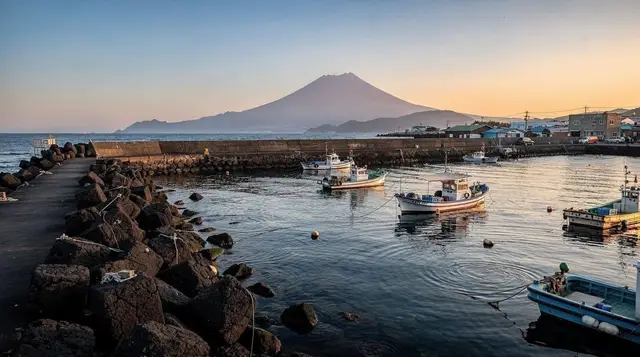
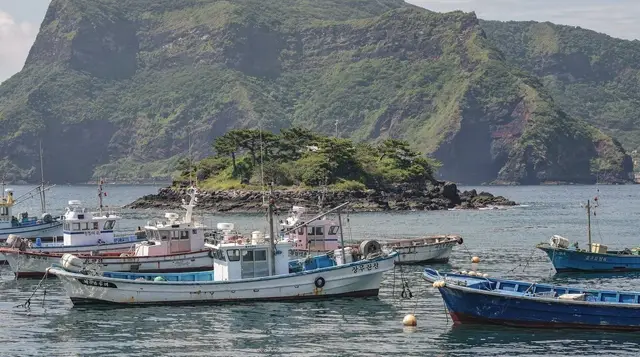
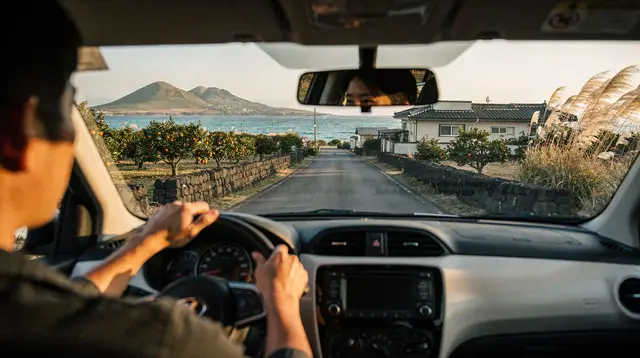
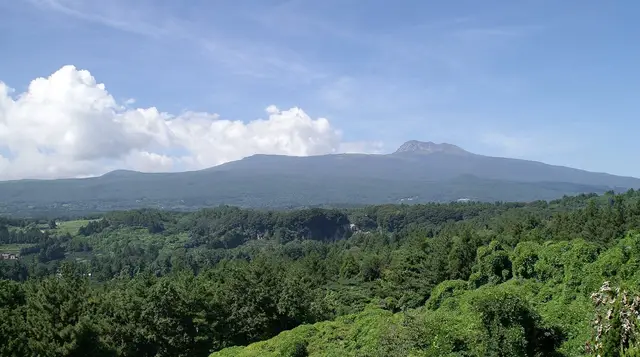

Songak is a quiet township at Jeju’s southwestern tip, built around Songaksan, a volcanic tuff cone whose coastal base trail combines dramatic sea cliffs with a somber layer of twentieth-century history — Japanese military tunnels carved into the cliff face during the colonial period, and the ruins of Alddreu Airfield spread across the surrounding farmland nearby.
| Where | Southwest tip, 55-60 min from CJU airport |
| Cost | Free trail and airfield; ₩30,000-50,000 for horseback riding |
| Time needed | Half a day |
| Getting there | Rental car close to essential |
| Best time | Morning or late afternoon, avoiding midday heat |
Songaksan’s coastal loop trail
Unlike Hallasan or Seongsan Ilchulbong, Songaksan isn’t primarily a summit hike — the main visitor route is a coastal loop path around the base of the cone, roughly 40-60 minutes at an unhurried pace, following the cliffline with continuous sea views and Marado and Gapado visible offshore on a clear day. It’s flatter and easier than most of Jeju’s named hikes, making it accessible to visitors who wouldn’t attempt Hallasan or a full oreum climb, while still delivering genuinely dramatic coastal scenery.
Wartime tunnels and gun emplacements
Carved directly into Songaksan’s sea cliffs are a series of tunnels and gun emplacements built by the Japanese military during the colonial occupation, part of a broader defensive network constructed across Jeju’s southwestern coast in anticipation of an Allied invasion that never came. Several tunnel entrances are visible and accessible along the coastal trail, offering a stark, unpolished counterpoint to the area’s natural scenery — there’s minimal interpretive signage, so the historical weight is something you bring to the site yourself rather than something explained on-site in detail. It’s a sobering stop worth pairing with the more widely covered Jeju 4.3 Incident history for a fuller picture of the island’s difficult twentieth-century history.
Alddreu Airfield
A short drive inland from Songaksan, the ruins of Alddreu Airfield — a Japanese military airfield built using forced local and Korean labor — sit scattered across active farmland, with concrete aircraft hangars still standing among the crops. Like the Songaksan tunnels, it’s an unpolished, minimally curated site rather than a formal museum; walking among the hangars with nothing but a farm field around them gives the history an unusually direct, unmediated quality. Moseulpo, a short drive north, covers this same period of history from the port-town side.
Getting here
Songak is about 55-60 minutes by car from CJU airport, among the longest drives to any destination on this list given its position at the island’s southwestern extreme. From Seogwipo, expect roughly 35-45 minutes via the southern coast road. Public bus service reaches the area but with a longer total travel time than driving; a rental car is close to essential for a comfortable visit, particularly since the sites here (the coastal loop, the airfield ruins) are spread across a few kilometers rather than concentrated in one walkable area.
Sanbangsan and Yongmeori Coast nearby
Songaksan sits within a short drive of Sanbangsan and Yongmeori Coast, two of west Jeju’s most recognizable natural landmarks, making this corner of the island a natural half-day or full-day cluster for visitors interested in a combination of geology, coastal scenery, and history rather than any single headline site.
Horseback riding
A horseback riding facility operates near Songaksan, offering short guided rides along trails with sea views — a lighter, family-friendly activity that contrasts with the site’s heavier historical layer, and a reasonable option if traveling with children who might find the wartime tunnels less engaging than a horse ride.
Where to stay
Accommodation directly in Songak is limited — most visitors base themselves in Moseulpo or elsewhere in west Jeju and visit Songaksan and the airfield ruins as a half-day excursion.
Budget for a Songak visit
The Songaksan coastal loop trail is free to walk. Horseback riding runs separately, typically ₩30,000-50,000 depending on ride length. There’s no entry fee for the Alddreu Airfield ruins, since they sit on active farmland rather than a formal ticketed site — be respectful of the working fields as you walk through. A half-day covering the coastal walk and the airfield, with a simple meal in nearby Moseulpo, comes to roughly ₩15,000-25,000 (about US$11-19) per person before any horseback riding.
Seasonal notes
The Songaksan coastal loop is walkable year-round, though the exposed cliffline gets genuinely windy in winter — dress accordingly. Summer heat can make the shadeless trail uncomfortable at midday; morning or late-afternoon visits are more pleasant. The airfield ruins, sitting amid active farmland, look different through the seasons as the surrounding crops change, though the historical sites themselves are a constant.
Understanding Songaksan’s wartime context
The defensive installations along Songaksan’s cliffs were part of a larger Japanese military buildup across Jeju in the final years of the Pacific War, built in anticipation of an Allied invasion of the Japanese home islands that would likely have used Jeju as a staging point. This history is directly connected to Alddreu Airfield nearby, intended to support kamikaze operations, and to a network of similar defensive works found at other points along Jeju’s coast. Unlike more thoroughly documented historical sites elsewhere in Korea, much of this infrastructure remains minimally interpreted on-site — visitors genuinely interested in the history benefit from reading background material beforehand, since on-site signage is sparse.
The connection to the Jeju 4.3 Incident
Songaksan and the surrounding area also sit within the broader historical landscape connected to the Jeju 4.3 Incident, the post-liberation uprising and subsequent violent suppression that shaped much of the island’s mid-twentieth-century history. While the wartime Japanese infrastructure and the 4.3 Incident are distinct historical episodes separated by several years, visiting Songaksan as part of a broader engagement with Jeju’s difficult twentieth-century history — rather than purely for the coastal scenery — gives a fuller, more honest picture of the island beyond its natural beauty and haenyeo heritage.
The tunnels up close
Several tunnel entrances along the Songaksan coastal trail are large enough to walk into a short distance, though most aren’t lit and extend further than is safe or advisable to explore without proper equipment — treat them as viewpoints into the past rather than spaces to fully explore. The concrete gun emplacements nearby, some still showing their original firing positions facing out to sea, are more straightforward to view from the trail without needing to enter any enclosed space.
A combined history-and-nature day
For visitors specifically interested in this cluster of history, a reasonable full day combines the Songaksan coastal loop and tunnels in the morning, the Alddreu Airfield ruins around midday, and finishes with the more purely scenic stops at Sanbangsan and Yongmeori Coast in the afternoon — a sequence that moves from the heaviest historical content toward lighter, more purely scenic sightseeing as the day progresses, which tends to work better than the reverse order.
Sunset over Songaksan
The trail’s western-facing stretches offer a strong sunset vantage point over open water, with Marado and Gapado visible in silhouette on clear evenings — a quieter, less-visited alternative to Jeju’s more famous sunset spots for anyone already in the southwest corner of the island for the history and coastal scenery.
Accessibility of the coastal loop
The Songaksan trail is mostly flat with a few gentle grade changes, making it more accessible than most named Jeju hikes, though sections near the tunnels involve uneven, sometimes rocky ground that requires sturdy footwear and reasonable mobility. It’s not stroller-friendly throughout, but manageable for most visitors without significant mobility limitations.
Combining Songak with a wider southwest Jeju day
Songak sits close enough to Moseulpo, Sanbangsan, and Yongmeori Coast that a single day can reasonably cover the historical sites here alongside a ferry crossing to Gapado or Marado and a stop at one of the region’s natural landmarks — a fuller, more varied day than any of these stops would offer individually. Given the driving distances involved in reaching this corner of the island, building a complete day around it rather than treating it as an isolated stop makes the most efficient use of the time required to get here.
Views toward Marado and Gapado
Because Songaksan sits at Jeju’s southwestern extreme, its coastal trail offers some of the best land-based views toward both Marado and Gapado without needing to take a ferry — useful for visitors who want a sense of these islets’ scale and position relative to the main island, or who can’t make the ferry crossing work with their schedule but still want a visual connection to them.
Farming context around Alddreu Airfield
The fields surrounding the airfield ruins remain in active agricultural use, generally growing crops typical of Jeju’s dry-field farming — a reminder that this historical site exists within a living, working landscape rather than a preserved museum grounds. Visitors should stay on established paths and be mindful of not disturbing crops or farm equipment while exploring the area, treating it with the same respect due any working farm.
The relative obscurity of this history
Compared to the far more widely known and documented Jeju 4.3 Incident, the Japanese colonial-era military infrastructure at Songaksan and Alddreu remains comparatively under-discussed in mainstream Jeju travel content, which tends to foreground natural landscapes and haenyeo culture instead. This isn’t a criticism of those more prominent narratives, but a note that visitors specifically interested in a fuller historical picture of Jeju’s twentieth century will need to seek out this layer somewhat more deliberately than the island’s headline cultural attractions.
Visiting with a guide versus self-driving
Because Songak’s history sites carry minimal on-site interpretation, some visitors prefer a guided option that provides context the sparse signage doesn’t:
Jeju: Southwest Essentials with Hallasan & UNESCO HighlightsFor self-driving visitors, the driving Jeju road trip tips guide covers the practicalities of navigating this less-touristed corner of the island, and the private vs group day tours guide explains the trade-offs if you’re deciding between a rental car and a structured tour for a history-heavy day like this one.
Deepening the historical context before you go
Because on-site signage at both the tunnels and Alddreu Airfield is sparse, reading ahead makes the visit considerably more meaningful. The Jeju 4.3 Incident history guide covers the island’s broader mid-twentieth-century history, and the Jeju folk village guide offers a different, less wartime-focused angle on the island’s cultural heritage for travelers who want to balance the heavier material here with something lighter later in the trip.
Other ways to build the day around Songak
If the history here is what draws you, a themed outing such as a guided cultural tour of Jeju’s 4.3 Incident history pairs naturally with a visit to the tunnels and the airfield, since a guide can supply the context that the sites themselves leave out. For travelers who would rather not drive the whole west-to-south stretch themselves, a western and southern sightseeing day tour is one way to see this side of the island without handling the logistics, though a tour like this will not linger at the quieter history sites the way a self-paced visit can.
Songak works best as one piece of a larger west and south loop rather than a stand-alone destination. A few pages help with planning around it:
- The west Jeju day tour guide and the west Jeju itinerary show how the nearby stops fit together.
- The south Jeju day tour guide is useful if you are coming from the Seogwipo side.
- The Jeju bus guide and the Kakao T taxi guide cover the options if you are not driving.
- The car rental guide with IDP details explains what to arrange before you collect a vehicle.
- The Jeju hiking gear and safety guide is worth a skim before walking the exposed cliffline.
- The Gapado and Marado day trip guide and the ferries to the islets guide cover the crossings you can see from the trail.
- For more places to pair with this corner of the island, see Hyeopjae, Hallim and Seogwipo.
Frequently asked questions about Songak
How long does the Songaksan coastal loop take?
Roughly 40-60 minutes at an unhurried pace, on a flat trail that’s more accessible than most of Jeju’s named hikes.
Is there an entry fee for the Songaksan trail or the tunnels?
No, the coastal loop and the visible tunnel entrances are free to visit.
Is Alddreu Airfield a formal museum?
No — it’s an unpolished, minimally curated site with hangar ruins standing among active farmland, closer to a self-guided historical walk than a museum experience.
Can I see Marado and Gapado from Songaksan?
Yes, on a clear day the coastal loop trail offers views toward both islets offshore.
Is Songak suitable for children?
The coastal walk is manageable for most children, and the horseback riding facility nearby offers a lighter, family-friendly activity alongside the heavier historical sites.
Do I need a car to visit Songak?
Yes, practically — the drive time from Jeju City and the spread-out nature of the sites here make a car or taxi close to essential.
Is it safe to enter the wartime tunnels?
Enter only a short distance where light and footing are clear — most tunnels aren’t lit or maintained for visitor access beyond the entrance area, so treat them as viewpoints rather than spaces for full exploration.
Is there an entry fee for Alddreu Airfield?
No, it’s an open, unticketed site on active farmland — be respectful of the working fields and stay on established paths.
Can I see Marado from Songaksan without taking the ferry?
Yes, the coastal trail offers views toward both Marado and Gapado on a clear day, a reasonable option if a ferry crossing doesn’t fit your schedule.
Is a guided tour worth it for Songak’s history sites?
It can be, given how sparse the on-site signage is — a guide adds context the tunnels and airfield ruins don’t provide on their own, though a well-prepared self-driving visit works fine too.
Should I read up on Jeju’s history before visiting Songak?
Yes, it’s worth it — the Jeju 4.3 Incident history guide and general background on the Pacific War-era defenses make the minimally-signed tunnels and airfield far more meaningful.
Can I combine Songak with a Gapado or Marado ferry trip in the same day?
Yes — Moseulpo, the departure port for both islets, sits close enough to Songak that a single day covering the history sites and a ferry crossing is realistic, provided you start reasonably early given the driving distances involved.


