
Namwon
Namwon is a quiet farming-and-fishing coastline between Seogwipo and Pyoseon — clear water, working harbors, and none of the crowds further east.
Quick facts
Top tours and experiences
We earn a small commission if you book through GetYourGuide — at no extra cost to you. Every tour is hand-picked and verified.
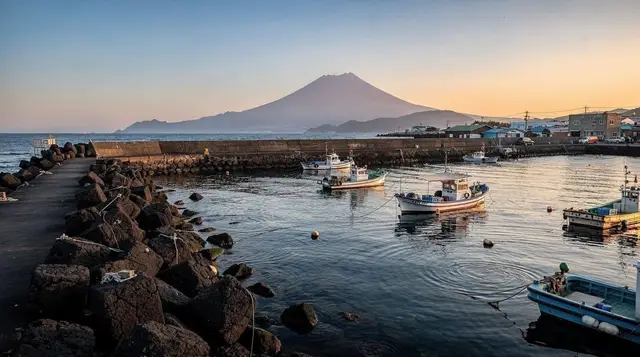
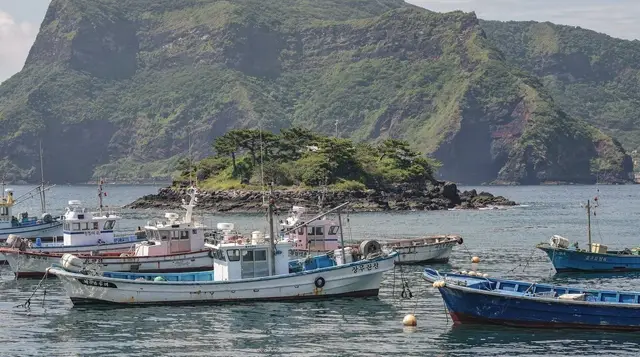
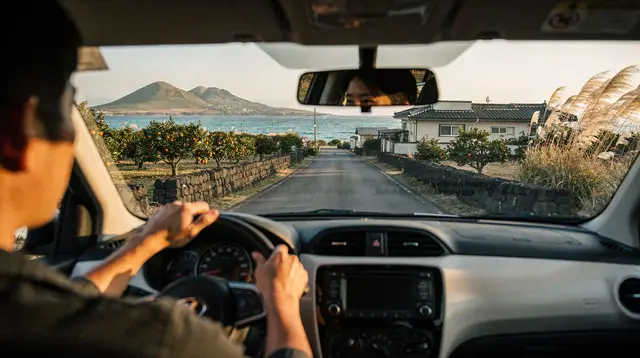
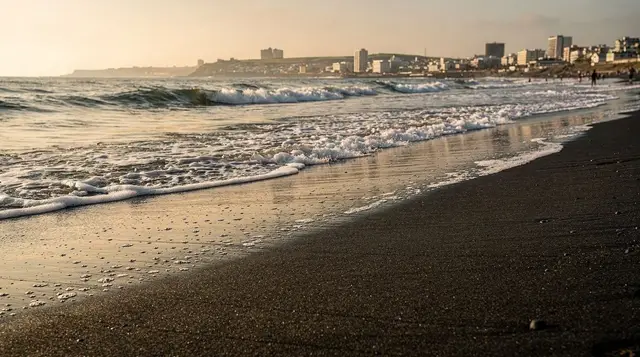
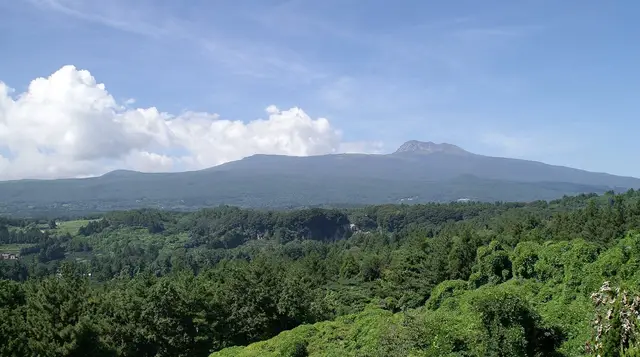

Namwon-eup is a stretch of Jeju’s south coast between Seogwipo proper and the busier Pyoseon area further east — a working farming and fishing coastline that doesn’t have a single headline attraction the way Sanbangsan or Seongsan does, but rewards travelers who like their itineraries to include some unstructured, low-pressure driving. The honest pitch for Namwon is modest: it’s a genuinely pleasant coastal stretch with clear water and small working harbors, and almost nobody stops here on purpose.
| Where | South coast, between Seogwipo and Pyoseon |
| Cost | Free — no ticketed attractions along this stretch |
| Time needed | An hour or two as part of a longer drive |
| Getting there | Car recommended; bus service is infrequent |
| Best time | Summer for the water; any season for the drive |
The coastal road
Route 1132 through Namwon runs close to the water for long stretches, with basalt shoreline, small coves, and glimpses of clear turquoise-tinted water that rivals more famous spots further east, minus the crowds and the cafés built to capitalize on them. It’s a good stretch to drive slowly with the windows down rather than a place with a specific parking-lot attraction to check off — several small pull-offs along the road let you stop for a look or a short walk whenever the coastline catches your eye.
Small harbors and clear water
Namwon’s coastline includes several modest fishing harbors — working ports rather than tourist facilities — where you can watch boats coming in, and a handful of coves with water clear enough for casual snorkeling in summer, though without the organized dive shops or facilities you’d find at busier east-coast spots. Bring your own gear if snorkeling interests you; this isn’t a place with rental infrastructure.
Agricultural interior
Inland from the coast road, Namwon’s interior is dense with tangerine and hallabong orchards, part of the same citrus belt that runs through neighboring Wimi. Driving the inland farm roads in autumn, when the trees are heavy with fruit, gives a different and equally honest look at rural Jeju compared to the coastal route.
Namwon in the wider context of Seogwipo-si
Administratively, Namwon-eup is part of Seogwipo-si, one of several rural eup and myeon districts that make up the city’s much larger territory beyond its compact downtown core. Understanding this helps explain why Namwon feels so different from central Seogwipo despite sharing the same municipal government — Seogwipo-si spans a huge area of farmland and coastline, and Namwon is a good example of how much of that territory has almost nothing to do with the tourist-facing city center most visitors picture when they hear the name.
Getting here
Namwon is about 55-65 minutes by car from CJU airport, along the coastal road east of central Seogwipo. It sits between Wimi to the west and the busier Pyoseon area of east Jeju to the east, functioning as a connective stretch rather than a standalone destination on most itineraries. Public bus routes run this stretch of coast with limited frequency; a car makes far more sense for anyone treating this as a scenic drive rather than a fixed destination with a bus stop to aim for.
Where to stay
Namwon has limited dedicated tourist accommodation compared to the beach towns further east — most visitors base in Seogwipo or continue on to Pyoseon, which has more developed lodging near its beach. A small number of independent guesthouses exist for travelers specifically seeking a quiet, low-traffic base along this stretch of coast.
Food in Namwon
Dining options are modest and scattered — small local restaurants near the harbors serving fresh seafood and standard Korean dishes, typically ₩10,000-18,000 per person, with far less choice than in Seogwipo or Pyoseon. This is a stretch to eat where you happen to be hungry rather than to plan a meal destination around.
What to bring for a Namwon stop
Since there’s little in the way of formal visitor infrastructure, it’s worth carrying your own water, sun protection, and any snorkeling gear if you plan to get in the water — don’t count on rental shops or vending machines being conveniently placed the way they would be at a developed beach town.
Budget for driving through Namwon
There’s no significant entry fee for anything in Namwon itself — the area’s appeal is free, scenic driving and coastline access. A meal at a small local restaurant runs ₩10,000-18,000 per person if you stop. Namwon is, in that sense, one of the cheapest stretches of coast on the island to experience, simply because it hasn’t been built up around ticketed attractions.
Why include Namwon in an itinerary at all
The honest case for stopping in Namwon isn’t a specific sight — it’s pacing. Jeju itineraries built entirely around named attractions (Seongsan, Sanbangsan, Manjanggul, Hallim Park) can start to feel like a checklist, and a stretch of coast with nothing in particular to see gives a natural break: pull over where the water looks good, watch a harbor for ten minutes, buy fruit from a roadside stand if one’s open. It’s a useful reminder that some of Jeju’s best moments aren’t the ticketed ones.
Combining Namwon with a coastal day
Namwon works as a connective stretch on a longer drive — starting from Seogwipo’s waterfalls and old town, passing through Wimi’s camellia forest and Namwon’s coast, and continuing to Pyoseon’s beach or onward into east Jeju’s UNESCO cluster. Treating it as a waypoint rather than a destination is the realistic way to build it into a trip.
If you don’t have a car
Namwon is easiest with your own wheels, but it isn’t out of reach without them. Travelers who would rather not drive can see this part of the south coast as one stretch of a guided day, for example a bus tour of the east side that starts from Seogwipo, then step back on the coast later at their own pace. Our guide to getting around Jeju by bus explains what to expect from local routes, and Kakao T taxis can fill the gaps for short hops between harbors. If you are weighing a rental, read car rental and the international driving permit and road-trip driving tips before you commit.
Pairing the coast with a walk or a show
Because Namwon has no ticketed sights of its own, the sensible move is to pair it with something more structured on the same day. In the evening, a sunset walking tour of Seogwipo makes a good counterweight to a slow, unplanned afternoon on the coast road. Anyone curious about the island’s diving women, whose work shapes small harbors like these, can look at an east-coast tour that includes a woman-diver performance, and then read about haenyeo culture to put what you see at the harbors into context.
Where to go next from Namwon
Heading east, Seongsan and Seopjikoji are natural next stops if you want the headline scenery after a quiet morning. Heading west, Jungmun and the south Jeju day tour route give you a more structured version of the same coastline. For a full plan that includes this side of the island, the east Jeju itinerary shows how stops fit together, and the guide to how many days to spend in Jeju helps you decide how much slack to leave for a stretch like this.
Seasonal notes
Summer is the obvious season for Namwon’s clear water and any casual swimming or snorkeling, but the coastal drive itself works in any season — autumn adds the citrus harvest inland, and winter’s clearer air often gives sharper visibility along the coastline, even if it’s too cold to get in the water.
What “nothing to see” actually means here
Describing Namwon as having no headline attraction risks undervaluing what’s actually here. The area holds several small coves with genuinely clear water, quiet harbors where you can watch the working rhythm of small-boat fishing up close, and stretches of basalt shoreline shaped by the same volcanic processes responsible for Jeju’s more famous cliffs, just without a ticket booth or parking lot attached. “Nothing to see” in the guidebook sense mostly means nothing to photograph for a highlight reel — the actual experience of driving or walking this coast is genuinely pleasant, just harder to summarize in a single image.
A short detour worth considering
A handful of small, mostly informal walking paths run along sections of the Namwon coast, connecting to the broader Jeju Olle Trail network in places. If you have an extra hour and comfortable shoes, a short stretch of coastal walking here — away from the car — gives a different, slower perspective on the same scenery you’d otherwise just glimpse through a windshield.
Fishing culture along this stretch
Namwon’s harbors are working ports for small-scale local fishing operations, generally focused on coastal species rather than the deep-sea catch associated with larger ports like Moseulpo or Seogwipo. Early morning is the most active time to see boats coming and going, though the harbors themselves are quiet and low-key throughout the day — no organized tours or fish markets built around tourism the way some larger ports have developed.
How Namwon fits into a realistic Jeju trip
Most well-planned Jeju itineraries eventually run into the same problem: too many named attractions crammed into too little time, with driving between them eating into the hours meant for actually enjoying each stop. Namwon is one of the better places on the island to consciously build in slack — a stretch where the plan is simply “drive slowly and see what looks good,” rather than another entry on a checklist.
A note on cell signal and navigation
Mobile signal along Namwon’s coastal road is generally reliable, but the lack of clear attraction signage means GPS navigation matters more here than on routes with obvious landmarks to aim for — set a specific pull-off or harbor as your destination rather than “Namwon” broadly, since the eup covers a fairly long stretch of coast without a single defined center.
Namwon versus its neighbors, honestly
If you’re deciding how to allocate limited time on the south coast, Namwon loses out to Seogwipo’s waterfalls and old town or Pyoseon’s beach and folk village on any measure of “things to do.” What it offers instead is a break from that kind of checklist travel — a stretch where the plan is simply to drive slower and stop when something looks good, without a ticket booth or parking fee attached. Treat it as connective tissue between more structured stops rather than a destination competing with them directly.
What locals actually use Namwon’s coast for
Beyond the drive-through appeal to visitors, Namwon’s coastline remains a working stretch for small-scale local fishing and, in places, informal shore fishing by residents rather than commercial operators — a reminder that much of Jeju’s coastline still serves everyday functions unrelated to tourism, even on stretches with genuinely photogenic water. Watching this quieter, functional side of the coast, rather than only the recreational one, gives a more grounded sense of how the island’s rural communities actually use their own shoreline day to day.
A slower alternative for repeat visitors
First-time Jeju visitors with a tight schedule are better served prioritizing named attractions elsewhere; but for anyone on a second or third trip who already has their photos of Seongsan and Sanbangsan, an unhurried hour along Namwon’s coastal road — stopping at a harbor, buying fruit from a stand if one’s open, walking a short Olle Trail segment — is a genuinely different and rewarding way to experience the island compared to another attraction-hopping day.
Frequently asked questions about Namwon
Is there a specific attraction in Namwon worth stopping for?
Not a single headline sight — the appeal is the quiet coastal road itself, small working harbors, and clear water, best treated as a scenic stretch rather than a destination with one thing to check off.
Can I snorkel in Namwon?
Yes, in several coves with clear water in summer, though you’ll need your own gear — there are no organized dive shops or rental facilities here.
Is Namwon worth stopping at if I’m short on time?
If your itinerary is tight, it’s reasonable to skip and prioritize named attractions instead — Namwon rewards travelers with flexible time more than a fixed must-see list.
Where should I stay if I want to be based near Namwon?
Seogwipo to the west or Pyoseon to the east both have considerably more lodging options.
Is Namwon connected to public transit?
Bus routes run along the coastal road but with limited frequency — a car is the practical way to experience this stretch properly.
What’s the best season to drive through Namwon?
Any season works for the drive itself; summer for swimming, autumn for the inland citrus harvest.
Is there fruit or produce for sale along the Namwon coast road?
Roadside farm stands selling tangerines and other seasonal produce appear periodically, especially in autumn, though hours and availability aren’t fixed.
Does the Jeju Olle Trail pass through Namwon?
Sections of the trail network run through or near this stretch of coast — check the Olle Trail overview for which numbered courses apply if you’re planning a walking segment here.
Is Namwon a good place to see working fishing boats up close?
Yes, particularly in the early morning at the smaller harbors, where local small-scale fishing operations are more visible than at larger, more industrial ports.


