
Jungmun
Jungmun is Seogwipo's resort district — international hotel chains, Jungmun Saekdal Beach, and the Jusangjeolli columnar cliffs a short drive away.
Quick facts
Top tours and experiences
We earn a small commission if you book through GetYourGuide — at no extra cost to you. Every tour is hand-picked and verified.
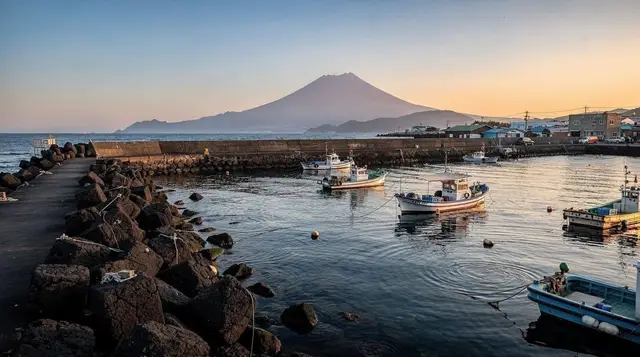
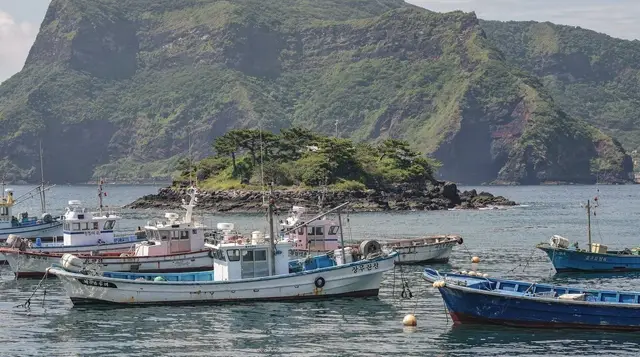
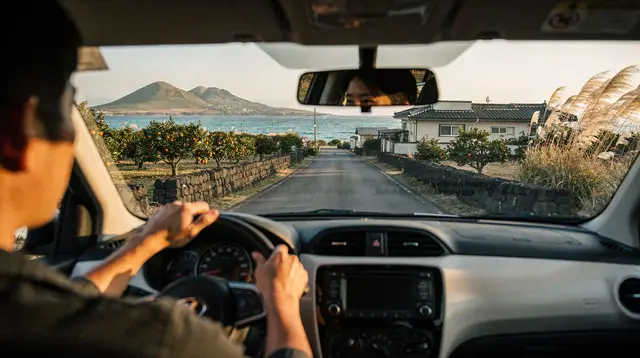
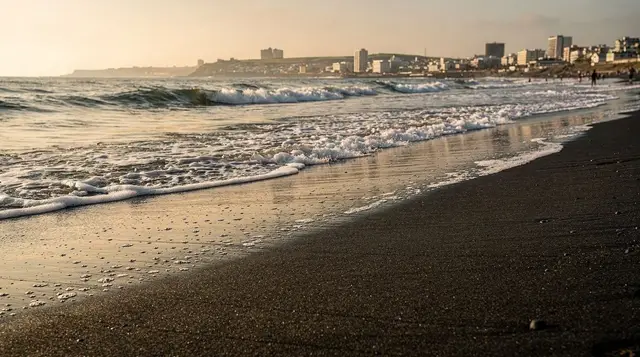
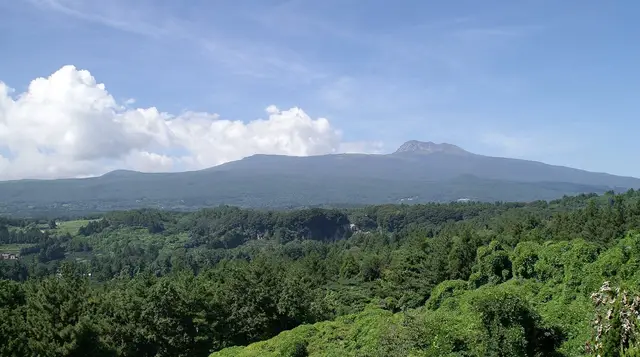

Jungmun is the closest thing Jeju has to a purpose-built resort district — a cluster of large international hotels, a convention center, and a black-and-white sand beach, all a 20-minute drive west of central Seogwipo. It’s not where most independent travelers base their whole trip, but it’s the practical answer if you want reliable air conditioning, a pool, and an easy walk to a beach without giving up proximity to the island’s south-coast waterfalls and cliffs.
| Where | Seogwipo-si, 20 min west of central Seogwipo |
| Cost | Hotels around ₩150,000-400,000+/night; sights ₩0-9,000 |
| Time needed | Half a day for the sights, 2-3 nights as a resort base |
| Getting there | 45-55 min from CJU airport by car, or the 600 limousine bus |
| Best time | Late May-June and September-October, avoiding peak crowds |
What Jungmun actually is
Jungmun Tourist Complex was developed from the 1970s onward as a government-planned resort zone, and it still reads that way: wide roads, landscaped grounds, and hotel towers set back from a coastline that would otherwise be quiet farmland. The Lotte Hotel Jeju and Hyatt Regency Jeju anchor the upper end of the strip, with several mid-range chain hotels and a casino resort filling in the gaps. ICC Jeju, the island’s main convention center, sits at the center of the district and brings a steady flow of business travelers alongside the leisure crowd — useful context if you’re wondering why a resort town this size has so much dining and shuttle infrastructure.
Jungmun Saekdal Beach
The district’s beach, Jungmun Saekdal, gets its name (“colored sand”) from a mix of black volcanic and lighter mineral sand that genuinely does look different depending on the light. It’s a working surf beach as much as a swimming one — the waves here are Jeju’s most consistent, and a handful of surf schools operate seasonally out of small shopfronts near the access road. Swimming is supervised in summer with lifeguards and a marked safe zone; outside that zone and outside the official swimming season, currents can be stronger than they look. It’s less family-calm than Hyeopjae or Hamdeok further north, but more interesting for anyone who actually wants to get in the water and do something.
Jusangjeolli Cliff
A 10-minute drive (or a manageable walk if your hotel is on the eastern side of the complex) brings you to Jusangjeolli, a stretch of coastline where lava cooled into tightly packed hexagonal basalt columns stacked like a wall against the sea. Entry runs around ₩2,000-3,000, and a wooden boardwalk lets you walk the clifftop safely above the columns while waves break over the lower rocks — it’s one of the more striking short stops on the whole island, and genuinely worth the small entry fee. The full Jusangjeolli Cliff guide covers opening hours and photography timing in more depth; go in the late morning when the sun is high enough to light the columns without harsh shadow.
Yeomiji Botanical Garden
Yeomiji, a large indoor-outdoor botanical garden with a distinctive glass-domed conservatory, sits within the Jungmun complex and makes a reasonable rainy-day option if the beach and cliffs are out thanks to weather — it’s not a must-see on a clear day, but it fills a gap well when Jeju’s notoriously changeable coastal weather turns.
Nearby waterfalls
Two of Jeju’s three named waterfalls sit within a short drive of Jungmun: Cheonjeyeon, with its Seonimgyo bridge crossing a turquoise pool, a 15-minute drive west, and Cheonjiyeon back toward central Seogwipo. Both are walkable loops through forest rather than long hikes, and pairing one with a Jungmun stay is a natural half-day itinerary.
Getting here and around
From CJU airport, Jungmun is 45-55 minutes by car via the Jeju-Seogwipo Expressway or the more scenic 1100 Road across Hallasan’s flank. The 600 airport limousine bus runs directly to the Jungmun hotel strip for around ₩3,500, departing roughly every 15-20 minutes — a workable option if you’re not renting a car for the whole trip. Within the resort district itself, distances between hotels, the beach, and Jusangjeolli are walkable but spread out enough that a car, taxi, or hotel shuttle is more comfortable, especially in summer heat.
Jeju: Seogwipo Jungmun Area Walking Tour covers the district’s main sights with a guide, useful if you’d rather not sort out which stops are worth the drive on your own first visit.
Where to stay
Jungmun’s hotel range runs from ₩150,000-200,000/night at the mid-tier chains up to ₩400,000+ at the Lotte and Hyatt for a standard room with an ocean view, higher again during Korean domestic holidays (Chuseok, Lunar New Year) and the summer peak. This is Jeju’s most expensive lodging cluster by a clear margin — if budget matters more than pool access and beach proximity, central Seogwipo or Jeju City offer considerably cheaper rooms a short drive away.
Food in Jungmun
Hotel restaurants dominate the immediate resort area and price accordingly — expect ₩30,000-50,000 for a hotel buffet meal. Better value sits a short drive or taxi ride outside the complex proper, in the residential streets toward central Seogwipo, where standard Korean restaurants run ₩10,000-18,000 per person for black pork or seafood. The honest take: eat one memorable meal at a hotel restaurant if you want the experience, but don’t expect the resort strip itself to be a food destination the way Seogwipo’s old town or Dongmun Market are.
Casino and nightlife
Jungmun has one of Jeju’s foreigner-only casino resorts, a legacy of South Korean law restricting most casino gambling to non-Korean nationals. It’s a minor part of the district’s identity rather than a reason to visit on its own, and hours and offerings change — check current status directly with your hotel if it’s relevant to your trip.
Combining Jungmun with the rest of Seogwipo
Jungmun works best as a base for a broader south-coast stay rather than an isolated visit: waterfalls and the old town center are 15-20 minutes east, Andeok’s tea fields and Sanbangsan cluster are 15-20 minutes west, and Hallasan’s southern trailheads are roughly 40 minutes north. Cruise passengers docking in Seogwipo also use Jungmun’s beach and Jusangjeolli as a common half-day shore stop, given the manageable drive time from the port.
Extending the day beyond the resort
If you’d rather see more of the south coast without driving yourself, a guided option can stitch the stops together: a bus tour heading east from Seogwipo pairs naturally with a Jungmun base, and the same idea works for the other side of the island. Travelers who prefer to stay on foot in the evening can look at a sunset walking tour of Seogwipo, which adds the old-town side that the resort strip lacks.
For planning, the Seogwipo walking tour guide and the Jungmun area culture walk cover the on-foot options in more detail, while the south Jeju day tour shows how the district fits into a longer route. Wet-weather days are easier with the ideas in Jeju rainy day activities, and the Jungmun Saekdal Beach guide goes deeper on the sand and surf. Anyone sorting out the wider trip can read where to stay in Jeju, the car rental and IDP guide, the Jeju bus guide and the water sports safety and seasons notes, or start from the first-timer itinerary and the one day in Seogwipo plan to see where Jungmun slots in.
Budget for a Jungmun day
Jusangjeolli entry runs ₩2,000-3,000, Yeomiji Botanical Garden around ₩7,000-9,000, and a day at the beach is free outside of equipment rental (surf lessons run roughly ₩50,000-70,000 for a beginner session). A simple meal outside the hotel zone runs ₩10,000-15,000 per person. A day covering the cliff, beach, and a modest lunch comes to roughly ₩20,000-35,000 (about US$15-26) per person, before accommodation, which is the real cost driver here.
Seasonal notes
Jungmun’s beach season runs roughly June through September with lifeguard coverage; outside those months the sand and cliffs are still worth visiting, just not for swimming. Surf conditions are best in the shoulder seasons (spring and autumn) when swell is more consistent than the flatter summer months. Hotel rates spike hardest around Korean public holidays — booking well ahead matters more here than almost anywhere else on the island.
The convention center effect
ICC Jeju, the island’s largest convention and exhibition center, sits at the heart of the Jungmun complex and shapes the district’s rhythm more than most visitors realize. International conferences bring a steady stream of business travelers through the same hotels used by leisure guests, which is part of why Jungmun has more high-end dining, shuttle infrastructure, and English-language signage than almost anywhere else on the island outside Jeju City itself. It also means room rates can spike unpredictably around major events — worth checking whether a large conference is scheduled if you’re booking Jungmun accommodation on a budget and want to avoid an unrelated event driving up your hotel price during your stay.
Seeing Jungmun without paying resort prices
You don’t need to stay at one of the large hotels to enjoy what Jungmun actually offers. Jungmun Saekdal Beach and Jusangjeolli Cliff are both open to the public regardless of where you’re staying, and parking near either is inexpensive. The practical move for budget-conscious travelers is to base in central Seogwipo or even Jeju City, drive or bus in for a half-day of beach and cliff, and skip the hotel stay entirely — you get the sights without the district’s premium accommodation pricing. Even a single hotel restaurant meal, ordered without a room booking, is a reasonable way to sample the resort experience without committing to a multi-night stay.
Cruise ship connections
Seogwipo’s cruise port receives international cruise ships several times a year, and Jungmun is one of the more common shore-excursion stops given its manageable drive time from the harbor — Jusangjeolli Cliff and Jungmun Saekdal Beach both fit comfortably within a typical half-day shore excursion window. If you’re arriving by cruise rather than by air, it’s worth checking whether your ship’s excursion options already include this district before booking an independent tour, since several operators specifically build itineraries around Jungmun for exactly that reason.
What Jungmun doesn’t have
Despite the resort branding, Jungmun isn’t a nightlife destination in the way of a beach resort town elsewhere in Asia — most restaurants and shops close relatively early, and the district’s energy is geared toward families and couples rather than a late-night scene. If lively nightlife matters to your trip, central Jeju City has considerably more late-night options; Jungmun’s evenings are quieter than the daytime resort infrastructure might suggest, which is either a relief or a disappointment depending on what you’re after.
A local’s honest take on the resort strip
Ask a Seogwipo resident about Jungmun and you’ll often get a slightly mixed answer: it brought jobs and international visibility to the region, but it also created a bubble that many locals rarely enter except for work. The most interesting version of a Jungmun visit, from a local perspective, treats the resort district as one stop among several rather than the whole trip — pairing a morning at Jusangjeolli with an afternoon in Seogwipo’s genuinely local old town gives a far more rounded picture of the south coast than the resort strip alone.
Jungmun by season
| Season | Beach & surf | Hotel rates | Notes |
|---|---|---|---|
| Spring (Mar-May) | Cool water, best surf swell | Moderate, rising into May | Yeomiji garden in bloom |
| Summer (Jun-Sep) | Lifeguard-supervised swimming | Peak, especially around holidays | Busiest sights and beach |
| Autumn (Sep-Oct) | Swimming season ending, good surf | Moderate, dips after Chuseok | Shoulder-season sweet spot |
| Winter (Nov-Feb) | No swimming; cliffs still open | Lowest outside holidays | Quiet, good for Jusangjeolli |
Getting between Jungmun’s hotels without a car
Jungmun’s hotels, the beach, Jusangjeolli, and Yeomiji Botanical Garden are spread further apart than they first appear on a map, and summer heat makes walking the full loop between them less pleasant than it looks. Most large hotels run a shuttle to Jusangjeolli or the beach at set times, and taxis are readily available near the hotel entrances even without a formal rank — worth asking your hotel’s front desk about shuttle timing before assuming a walk between sights will be quick or comfortable, especially with young children or in peak summer heat.
A realistic Jungmun day for non-resort guests
Arrive by rental car, taxi, or the 600 limousine bus, and treat Jungmun as a half-day stop rather than a full-day commitment: Jusangjeolli Cliff in the late morning for the best light on the basalt columns, Jungmun Saekdal Beach for an hour of walking or a swim in season, and a hotel restaurant meal if you want to sample the resort experience without booking a room. Pair this with a nearby waterfall — Cheonjeyeon is a 15-minute drive west — to round out a south-coast day without the overnight cost of staying in the district itself.
Jungmun for solo travelers
Jungmun’s resort infrastructure is built primarily around couples and families, and a solo traveler staying at one of the large hotels may find the district’s polish and pace slightly mismatched to independent, spontaneous exploring — the walkable local-restaurant scene and casual social atmosphere found in Jeju City or central Seogwipo suits solo travel better. A day visit to Jusangjeolli and the beach still works well solo; it’s the overnight resort stay specifically that’s better suited to company.
Frequently asked questions about Jungmun
Is Jungmun worth visiting if I’m not staying at a resort?
Yes — Jusangjeolli Cliff and Jungmun Saekdal Beach are worth a half-day stop even as a day-tripper based elsewhere in Seogwipo.
Is Jungmun Saekdal Beach safe for swimming?
It’s supervised with lifeguards during the official summer swimming season within a marked zone; outside that zone or season, surf and currents can be stronger than at Jeju’s calmer family beaches.
How far is Jungmun from central Seogwipo?
About 15-20 minutes by car, close enough for a hotel-and-old-town combination stay.
Can I visit Jungmun without a car?
Yes, via the 600 limousine bus from the airport, though getting between individual sights within the district is easier with a car, taxi, or hotel shuttle.
Is Jusangjeolli Cliff always open?
It’s occasionally closed during severe weather (high waves, typhoon warnings) for safety — check the day before if a storm is forecast.
Are Jungmun’s hotels good value?
They’re Jeju’s most expensive lodging tier; the value is in the beach access, pools, and convenience rather than price, and budget travelers generally do better staying elsewhere and visiting for the day.
What’s the closest waterfall to Jungmun?
Cheonjeyeon Waterfall, about a 15-minute drive west.
Is Jungmun a good stop for cruise ship passengers?
Yes — its manageable distance from Seogwipo’s cruise port and cluster of sights (beach, cliff, botanical garden) within walking-to-short-drive range make it one of the more common shore-excursion stops on the island.


