
Gujwa
Gujwa spans Jeju's northeast coast and interior, home to Manjanggul lava tube and the Geomun-oreum volcanic crater hiking trail.
Quick facts
Top tours and experiences
We earn a small commission if you book through GetYourGuide — at no extra cost to you. Every tour is hand-picked and verified.
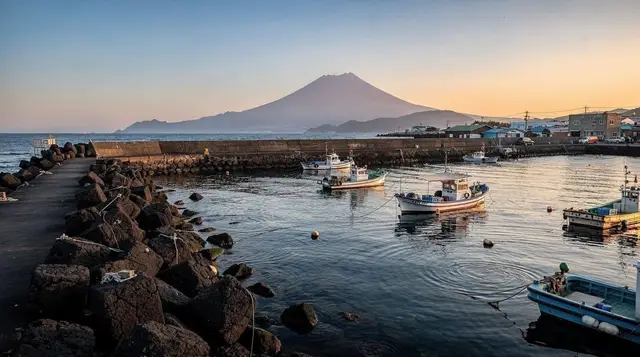
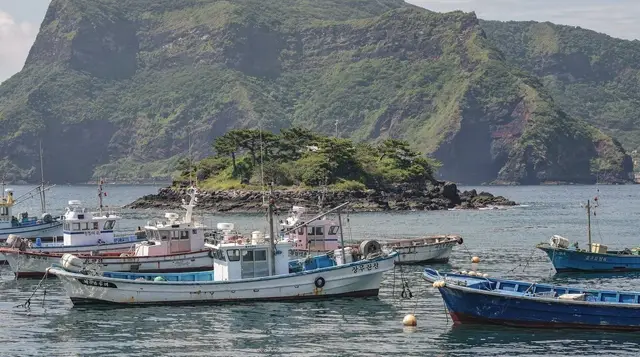
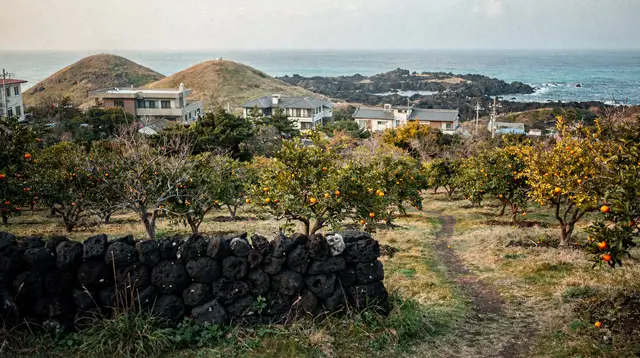
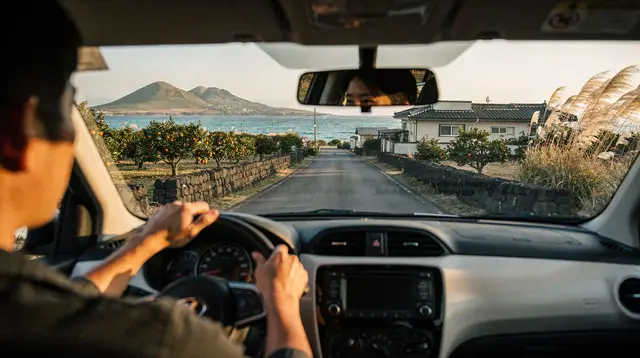
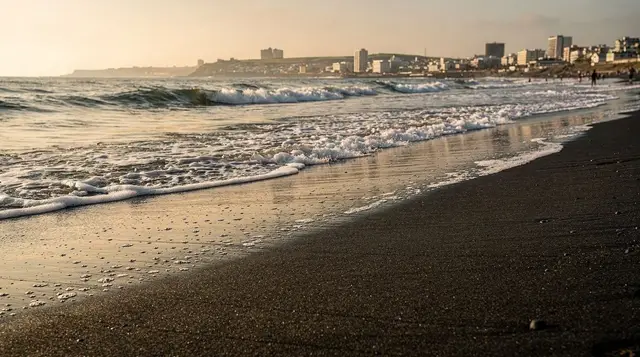
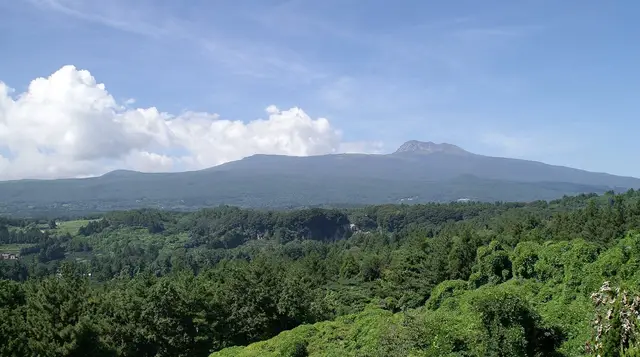
Gujwa is a large administrative area spanning Jeju’s northeast coast and reaching into the island’s volcanic interior, and it holds two of the region’s most significant natural sites: Manjanggul, the country’s longest lava tube, and Geomun-oreum, a volcanic crater whose hiking trail is one of the more substantial oreum climbs on the island. Together with neighboring Jocheon, this stretch forms the core of Jeju’s UNESCO Global Geopark designation on land.
| Where | Gujwa-eup, spanning Jeju’s northeast coast and interior |
| Cost | Manjanggul ~₩4,000; Geomun-oreum guided hikes cost more |
| Time needed | Half a day for the cave alone; a full day with the oreum hike |
| Getting there | 35-45 min by car from CJU; ~25-35 min from Jeju City |
| Best time | October for oreum hiking; any season for the cave |
Manjanggul versus Geomun-oreum, at a glance
| Manjanggul | Geomun-oreum | |
|---|---|---|
| Type | Underground lava tube walk | Above-ground forested crater hike |
| Time | 40-60 min round trip | A couple of hours |
| Access | Walk-up, standard entry ticket | Sometimes guided-only or reservation |
| Best for | Quick, reliable, any-weather stop | Immersive hiking, fewer crowds |
Manjanggul Lava Tube
Manjanggul runs for roughly 7km underground in total, though only about a kilometer is open to public walking, ending at a distinctive lava column formation formed as molten rock cooled inside the tube some 200,000-300,000 years ago. The cave maintains a constant temperature of roughly 11-21°C year-round — noticeably cool in summer, comparatively mild in winter — and entry costs around ₩4,000. Jeju: Private Transfer to Manjanggul Cave and Ticket combines transport from central Jeju with entry, a straightforward option if you’re not renting a car specifically for this stop. Full visiting details, including gate hours and parking, are in the Manjanggul Lava Tube guide.
Geomun-oreum
Geomun-oreum is a volcanic crater within the Gujwa area recognized as a core component of Jeju’s UNESCO Global Geopark, notable for the well-preserved lava tube system it fed (including Manjanggul) and for a forested crater interior that’s genuinely different in character from the more famous coastal cones like Seongsan Ilchulbong.
The hiking trail here is longer and more forested than most oreum climbs on the island — plan for a couple of hours rather than the 20-30 minutes typical of smaller oreums — and access is sometimes limited to guided groups or timed entry to protect the site’s ecology, so check current access rules before planning a visit. Jeju: Geumun-oreum Volcanic Crater Hiking is a guided option that handles the access logistics directly. The Geomun-oreum guide has current trail details and the broader best oreums guide puts this climb in context against Jeju’s other oreum hikes.
The coastal side of Gujwa
Beyond the interior sites, Gujwa’s administrative area extends to the coast near Gimnyeong, known for its own small lava tube system (Gimnyeong Cave, part of the same broader lava tube network as Manjanggul, though with more limited public access) and Gimnyeong Maze Park, a hedge maze attraction popular with families. The coastline here is quieter and less developed than the café-heavy stretches further west, with small fishing harbors and a more agricultural backdrop.
Getting here
Gujwa is about 35-45 minutes by car from CJU airport, and roughly 25-35 minutes from downtown Jeju City, depending on whether you’re heading for the coastal Gimnyeong area or the more inland Geomun-oreum access point. It borders Jocheon to the west (sharing Manjanggul access) and connects onward to the east Jeju UNESCO cluster around Seongsan, making it a natural link between the north-coast towns and the eastern sights.
Combining Manjanggul and Geomun-oreum in one day
Both sites sit within a short drive of each other, making a combined half-day or full-day itinerary practical: Manjanggul in the morning while the cave is cooler and less crowded, then Geomun-oreum in the afternoon if the hike’s length and access rules fit your schedule. Building in extra time is worth it here — Geomun-oreum’s longer trail and potential access restrictions make it less of a quick add-on than Manjanggul’s compact cave visit.
Where to stay
Gujwa has limited dedicated tourist accommodation compared to beach towns like Hamdeok — most visitors either stay in Jeju City and day-trip out, or continue toward Seongsan for an overnight closer to the UNESCO coastal sites. A handful of countryside guesthouses exist for travelers who want a quieter, more rural base.
Budget for a Gujwa day
Manjanggul entry runs around ₩4,000; Geomun-oreum’s guided hiking options cost more given the transport and guiding included, but reflect the more involved logistics of that site. Gimnyeong Maze Park, if you add it with children, charges a separate entry fee (around ₩7,000-8,000). A simple meal near either site runs ₩10,000-15,000 per person. A full day covering Manjanggul, a shorter stop at the coast, and lunch comes to roughly ₩30,000-45,000 (about US$22-34) per person, more if the Geomun-oreum guided hike is included.
Gimnyeong Maze Park
A hedge maze attraction near the coastal side of Gujwa, popular with families and a reasonable rainy-adjacent activity (covered partially by tree canopy, though not fully weatherproof). It’s a lighter, more commercial stop than the geological sites nearby, worth including specifically if traveling with children who might find Manjanggul’s cave walk or Geomun-oreum’s longer hike less engaging.
The UNESCO Geopark context
Gujwa and neighboring Jocheon sit at the heart of what UNESCO recognizes as the Jeju Island Geopark’s most significant inland component — the volcanic system that produced both Geomun-oreum’s crater and the lava tubes running beneath it, including Manjanggul. Understanding this connection changes how the sites read: Manjanggul isn’t an isolated cave but part of a documented, still-studied volcanic plumbing system, and Geomun-oreum is the surface expression of the same geological event. The Manjanggul guide and the broader Seongsan Ilchulbong guide (the coastal component of the same UNESCO designation) fill in the wider picture.
A practical full-day plan
Start at Manjanggul by mid-morning to avoid the worst of any tour-bus crowds, allow an hour for the cave, then either continue to Geomun-oreum if the longer hike fits your schedule and current access allows it, or head to the coast near Gimnyeong for a lighter afternoon (maze park, a beach walk, or simply a seafood lunch at a harbor restaurant). This flexible structure works whether you’re prioritizing geology and hiking or a more relaxed pace.
Seasonal notes
Manjanggul’s underground consistency makes it a reliable stop in any weather or season. Geomun-oreum’s forested trail is at its best in October for foliage and clear hiking conditions, though the tree canopy offers useful shade in summer heat too — check for any seasonal access restrictions before planning around this specific hike, since ecological protection measures can limit visitor numbers or close sections periodically.
An honest note on crowding
Manjanggul draws heavy tour-bus traffic, particularly midday in peak season (spring and autumn weekends), when the parking lot fills and the walkway inside the cave can feel congested rather than atmospheric. Arriving at opening time or in the last hour or two before closing avoids most of this — the cave’s temperature and lighting don’t change meaningfully through the day, so there’s no real advantage to a midday visit beyond convenience. Geomun-oreum, by contrast, sees far fewer visitors given its access restrictions and longer commitment, making it the better choice if crowd avoidance matters more to you than convenience.
Local farming and the interior landscape
Much of Gujwa’s interior, away from the two headline sites, is agricultural — fields growing citrus, cabbage, and other Jeju staples, interspersed with smaller oreums that don’t have formal hiking infrastructure but are visible from the road as low, grass-covered mounds. Driving through this area gives a useful sense of scale for how much of the island’s volcanic activity, beyond the famous named sites, is embedded in the everyday landscape residents farm and live on.
Combining Gujwa with neighboring Jocheon
Because Jocheon shares Manjanggul’s access road and much of the same UNESCO Geopark designation, visitors sometimes fold both areas into a single loop — Jocheon’s own coastal stretch and any of its smaller oreums pair naturally with a Gujwa morning, avoiding the need for a separate dedicated trip to cover this stretch of the north coast.
Frequently asked questions about Gujwa
What’s the difference between Manjanggul and Geomun-oreum?
Manjanggul is the walkable lava tube cave itself; Geomun-oreum is the volcanic crater and forested hiking trail that fed the broader lava tube system, including Manjanggul. They’re related sites within the same UNESCO Geopark designation but offer very different visiting experiences — one underground and compact, one an above-ground forest hike.
Do I need to book Geomun-oreum in advance?
Access is sometimes limited to protect the site’s ecology, occasionally requiring guided groups or reservations — check current requirements before visiting, since rules have changed over time.
How long does the Geomun-oreum hike take?
Plan for a couple of hours, longer than most oreum climbs on the island due to the trail’s length and forested terrain.
Is Gimnyeong Cave open to visitors like Manjanggul?
Public access to Gimnyeong Cave is more limited than Manjanggul — Manjanggul remains the primary publicly walkable lava tube in this area.
Can I visit Gujwa without a car?
A car is recommended given the spread-out nature of the sites here, though bundled transfer-and-ticket options (like the Manjanggul transfer) reduce the need for your own vehicle for that specific stop.
Is Gujwa worth visiting beyond Manjanggul?
Yes, for hikers specifically — Geomun-oreum offers a substantially different, more immersive volcanic-landscape experience than the shorter, more crowded oreum climbs elsewhere on the island.
How does Gujwa connect to a broader east Jeju itinerary?
It sits directly between the north-coast towns near Jeju City and the east Jeju UNESCO cluster (Seongsan, Seopjikoji), making it a natural stop on a full day heading east from the capital.
Is Manjanggul suitable for young children?
Yes, generally — the walk is flat with only mild elevation changes and no technical difficulty, though the cool underground temperature and low light in sections are worth preparing children for in advance.
What should I wear inside Manjanggul?
Sturdy, closed-toe shoes with good grip (the cave floor can be damp and uneven in places) and a light jacket regardless of the season outside, given the cave’s constant cool temperature.
Are guided tours necessary at Manjanggul, or can I visit independently?
Manjanggul’s public section can be visited independently with a standard entry ticket — a guide isn’t required, and informational signage along the walkway explains the cave’s formation. Guided or transfer-inclusive options are more about convenience (transport, avoiding parking hassles) than necessity for this particular site, unlike Geomun-oreum where guided access is sometimes the only option available.
Is there a combined ticket for Manjanggul and Geomun-oreum?
No standard combined ticket exists — the two sites are managed with separate entry and access systems given Geomun-oreum’s more restricted, ecology-focused management, so budget for them as two distinct visits.
What’s the elevation gain on the Geomun-oreum hike?
It’s a moderate climb through forested terrain to the crater rim, more substantial in elevation gain than most small oreums but well short of Hallasan’s scale — reasonably fit hikers should find it manageable without specialized gear.
Can I visit Gujwa as part of a day trip based in Seongsan?
Yes — Gujwa sits close enough to Seongsan that visitors overnighting there for a sunrise climb can easily fold in a morning or afternoon stop at Manjanggul on the same trip, without a significant detour from the standard route between Jeju City and the east coast.


