
Sinyang
Sinyang Beach's steady wind and shallow lagoon-like water make it Jeju's best windsurfing and kitesurfing spot — and one of its calmer, less crowded ones.
Quick facts
Top tours and experiences
We earn a small commission if you book through GetYourGuide — at no extra cost to you. Every tour is hand-picked and verified.
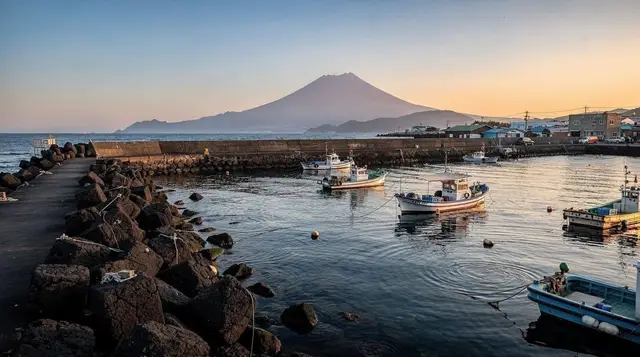
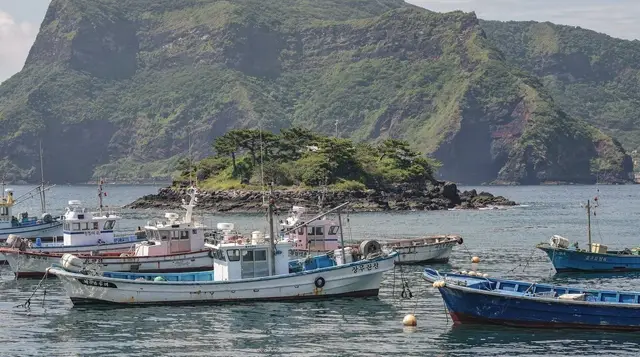
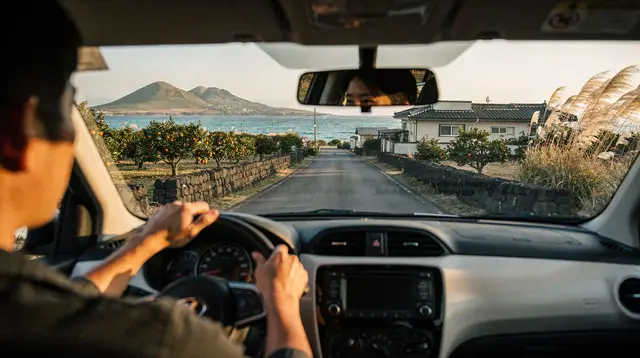
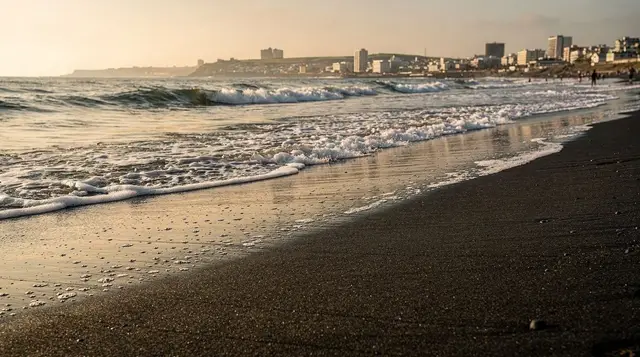
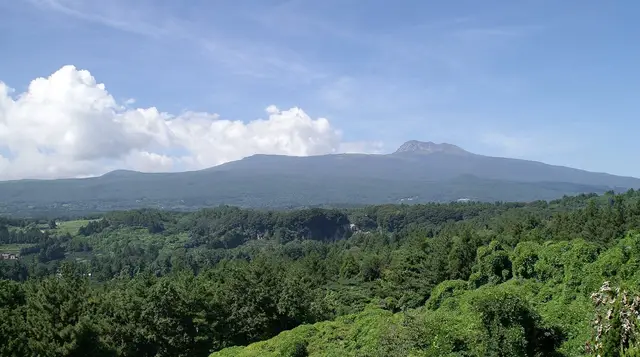

Sinyang Beach sits on Jeju’s southeast coast, a short drive from the more famous Seopjikoji cape, and has built a reputation among a specific crowd — windsurfers and kitesurfers — for reasons the more famous beaches further north don’t share: consistent wind, shallow, lagoon-like water, and a sandbar formation that creates ideal beginner-to-intermediate conditions without the open-ocean chop found at more exposed spots.
| Where | Southeast coast, near Seopjikoji |
| Cost | Free beach; around ₩60,000-90,000 for a lesson |
| Time needed | Half a day, longer with a lesson |
| Getting there | Car or taxi recommended |
| Best time | Spring through autumn for steady wind |
Why windsurfers and kitesurfers come here
Sinyang’s beach curves around a shallow bay protected enough to keep the water relatively calm even when the wind is blowing steadily, a combination that’s genuinely rare on Jeju’s coast — most of the island’s windy spots also have rougher water, and most of the calm-water spots don’t have reliable wind. A handful of small operators run lessons and equipment rental seasonally, catering to both complete beginners and more experienced riders looking for a lower-stakes environment than open coastline. Prices for a beginner lesson typically run ₩60,000-90,000 for a few hours of instruction and equipment.
The beach beyond water sports
Even without any interest in windsurfing, Sinyang is a pleasant, distinctly uncrowded beach compared to the northeast coast’s more famous stretches — shallow water, a wide sandbar exposed at low tide, and views toward Seongsan Ilchulbong’s distant silhouette on clear days. It’s a reasonable alternative for anyone who’s found Woljeongri or Hamdeok too crowded and wants a calmer swim.
Equipment and safety basics
Beginner lessons at Sinyang typically start on smaller, more stable equipment before progressing to sails or kites suited to actual wind conditions on the day, with instructors watching closely for the first attempts. As with any wind-powered water sport, conditions that seem manageable can shift quickly, so following instructor guidance about when to call it a day matters more here than it might for calmer activities like SUP.
Getting here
Sinyang is about 60-70 minutes by car from CJU airport, near the southeast end of the island close to Seopjikoji and Seongsan. It also connects to Pyoseon to the west along the coastal road. Public buses reach the general area, but a car or taxi is the practical way to combine Sinyang with a windsurfing lesson and nearby sightseeing in a single day, given the more limited transit frequency this far from Jeju City.
Combining a lesson with the rest of your day
A typical beginner lesson runs a few hours, leaving plenty of time either side for sightseeing at nearby Seopjikoji or Seongsan — a reasonable structure is a morning lesson followed by an afternoon at Ilchulbong, or the reverse if you’d rather sightsee first and unwind with something active later in the day.
Where to stay
Sinyang has a small number of guesthouses, some run by or catering specifically to the windsurfing and kitesurfing community, running roughly ₩60,000-120,000/night. Most visitors, though, base in Seongsan, a short drive away with far more general lodging options, and treat Sinyang as a day or half-day activity stop.
Food in Sinyang
Dining options are modest — a handful of local restaurants and cafés serving the steady but not overwhelming flow of water-sports visitors, priced ₩10,000-18,000 per person. This isn’t a food destination; most visitors eat before or after their time on the water.
Budget for a Sinyang day
The beach is free. A windsurfing or kitesurfing lesson runs ₩60,000-90,000 for a few hours, considerably more if renting equipment for a full day without instruction. A meal runs ₩10,000-18,000 per person. A half-day with a lesson comes to roughly ₩70,000-110,000 (about US$52-82) per person; without a lesson, it’s essentially a free beach stop plus a meal.
Combining Sinyang with a southeast day
Sinyang pairs naturally with Seopjikoji’s clifftop walk and Seongsan’s Ilchulbong, both a short drive away, or a continuation west toward Pyoseon’s tidal-flat beach and Seongeup Folk Village. A day combining a morning windsurfing lesson at Sinyang with an afternoon at Seopjikoji or Ilchulbong is a reasonable way to add some activity variety to an otherwise sightseeing-heavy east Jeju itinerary.
Do I need prior experience to try windsurfing here?
No — Sinyang’s conditions are specifically suited to beginners, and local operators run structured lessons for people who’ve never tried either sport. It’s a genuinely approachable way to try something different from Jeju’s usual hiking-and-sightseeing itinerary, without needing to already be a confident water-sports enthusiast.
Seasonal notes
Spring through autumn offers the most reliable wind and warmest water for lessons; winter conditions can still support windsurfing for experienced riders willing to deal with the cold, but most operators reduce or pause seasonal offerings during the coldest months. Wind conditions vary day to day regardless of season, so checking with a local operator before planning a lesson is worth doing.
The geography behind Sinyang’s water sports appeal
The specific combination that makes Sinyang work for windsurfing and kitesurfing comes down to a shallow, gently sloping seabed protected by a natural sandbar formation that breaks up incoming ocean swell before it reaches the main beach area — meaning the water stays choppy enough from wind to power a sail but calm enough underneath to avoid the dangerous surf conditions found at more exposed beaches. This same geography is relatively rare along Jeju’s coastline, which is why serious wind-sport enthusiasts specifically seek out Sinyang rather than treating it as one option among many.
A brief history of wind sports on Jeju
Windsurfing and kitesurfing developed as niche activities on Jeju starting in the 2000s, with Sinyang emerging as a preferred site among the small community of local and visiting practitioners specifically because of its favorable wind-and-water combination, well before the sport had any broader visibility among general tourists. It remains a fairly specialized activity here compared to more mainstream water sports like snorkeling or SUP, meaning operators and lesson availability, while real, are smaller in scale than at more general-purpose beach towns.
Watching rather than participating
Even without any interest in trying the sport yourself, Sinyang on a windy day with several sails out on the water is a genuinely good spectator experience — the colorful sails and the visible skill involved in maneuvering them make for an interesting half-hour stop even for visitors who have no intention of getting in the water themselves.
Sinyang compared to Jeju’s other water-sports spots
Surfing on Jeju concentrates around Jungmun and a handful of west-coast breaks with more open swell, while SUP and kayaking spots exist at several calmer beaches around the island. Sinyang occupies a specific niche within this broader water-sports landscape — it’s the clear choice specifically for wind-powered sports rather than a general-purpose water-activity beach, and visitors chasing a broader range of activities in one place may find Jungmun or Woljeongri better suited to mixing several types of water time in a single stay.
Other water sports if Sinyang’s wind isn’t cooperating
Wind conditions vary day to day, so it’s worth knowing the alternatives if a lesson gets called off. The snorkeling in Jeju guide and scuba diving Jeju guide cover calmer-water options elsewhere on the island, while water sports safety and seasons explains how conditions shift across the year for swimming, surfing, and wind sports generally. Divers specifically drawn to the southeast coast’s clear water often continue on to scuba diving near Seongsan Ilchulbong rather than Sinyang itself, since Sinyang’s appeal is wind-powered sports rather than underwater visibility.
Planning a southeast-coast activity day
Sinyang fits naturally into a day built around the southeast corner of the island. Pair a morning lesson with an afternoon at Seopjikoji or the Seongsan Ilchulbong sunrise peak, or continue west toward Pyoseon and the Seongeup Folk Village for a change of pace from the water. Travelers building a full east Jeju itinerary can slot Sinyang in as the activity anchor for one morning without disrupting the rest of the plan.
If you would rather not drive
Sinyang rewards a car, but not everyone wants to handle the coastal roads on a travel day. If you are not renting, a guided day on the east side can cover the sights around Sinyang without any driving: a full day with an eastern UNESCO-sites itinerary is the usual shape, and a guided day tour of the eastern UNESCO spots is one way to see Ilchulbong and the surrounding coast before or after a short beach stop. Travelers who prefer a slower rhythm may like an eastern tour paced for leisurely walkers, which suits anyone who wants time to look around rather than tick off stops. Our notes on private versus group day tours and the east Jeju day tour guide explain how to choose. If you do drive, the car rental and IDP guide and the road trip tips cover the basics.
What to bring and how to pace the day
Wind-sport days are tiring in a way that sightseeing days are not, so plan the rest of the day around that. Bring sun protection, a change of clothes and something to drink, and keep the afternoon light if the morning was spent on the water. The packing tips guide lists what tends to be useful on the island, and the month-by-month guide helps you judge how the season will feel on the shore. If a typhoon or a stretch of rough weather is forecast, the typhoon season guide explains why it is wise to stay flexible.
Where Sinyang fits in a longer trip
Sinyang is best treated as an activity stop rather than a base. On a first visit, it slots into the east-coast days of a 3-day or 5-day plan, and the how many days in Jeju guide helps you decide whether the east deserves a full day or only a morning. Anyone interested in the wider region can read the east Jeju overview, and the nearby villages of Namwon and Seongsan make easy neighbors on the same drive.
Frequently asked questions about Sinyang
Do I need my own equipment to windsurf or kitesurf at Sinyang?
No, local operators rent equipment and offer lessons for beginners without any gear of their own.
Is Sinyang Beach good for regular swimming, not just water sports?
Yes, the shallow, sheltered water works well for casual swimming too, especially for anyone seeking a quieter alternative to the busier northeast-coast beaches.
How far is Sinyang from Seopjikoji?
A short drive, roughly 10-15 minutes, making them easy to combine in one day.
What’s the best season for windsurfing lessons at Sinyang?
Spring through autumn for the most consistent wind and comfortable water temperature.
Is Sinyang crowded like Woljeongri or Hamdeok?
No, it’s considerably quieter, drawing a smaller, more specific crowd focused on water sports rather than general beach tourism.
Do I need a car to reach Sinyang?
Recommended — public transit reaches the general area but with limited frequency this far from Jeju City.
Is there anywhere to stay directly in Sinyang?
A small number of guesthouses exist, some catering specifically to the windsurfing community, though most visitors base in nearby Seongsan instead.
Why is Sinyang’s water calmer than other windy Jeju beaches?
A natural sandbar formation offshore breaks up incoming ocean swell before it reaches the main beach, keeping the surface choppy enough for wind sports but the underlying water safer and calmer than more exposed coastlines.
Is Sinyang worth visiting just to watch, without trying windsurfing myself?
Yes — a windy day with multiple sails out on the water makes for a genuinely interesting spectator stop even without any plans to get in the water.
What should I do if wind conditions aren’t good on the day I visit?
Consider the snorkeling or scuba diving guides for calmer-water alternatives, or simply treat Sinyang as a quiet beach stop and reschedule the lesson if your itinerary allows.
Can beginners do a half-day lesson and still see Seopjikoji the same day?
Yes — a typical lesson runs a few hours, leaving a morning or afternoon free for Seopjikoji or Seongsan Ilchulbong nearby.


