
Seongsan
Seongsan is the town at the foot of Ilchulbong sunrise peak — Jeju's most iconic UNESCO site and the ferry departure point for Udo Island.
Quick facts
Top tours and experiences
We earn a small commission if you book through GetYourGuide — at no extra cost to you. Every tour is hand-picked and verified.
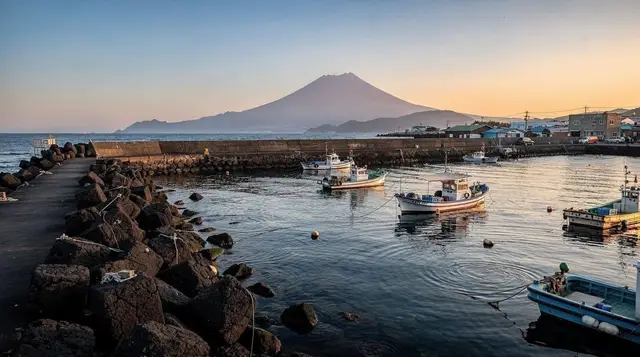
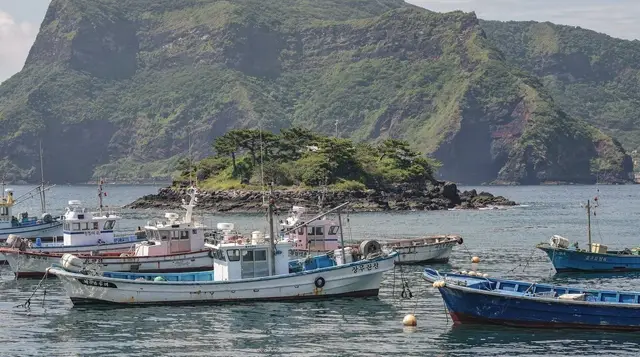
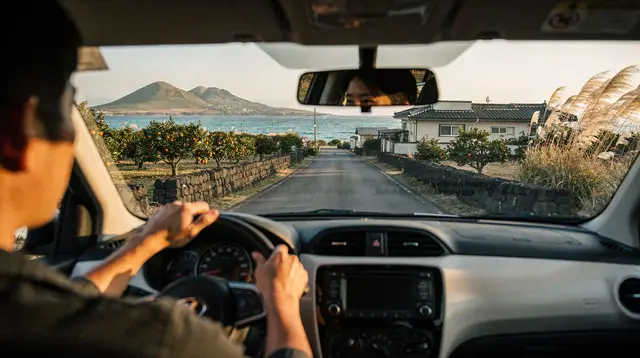
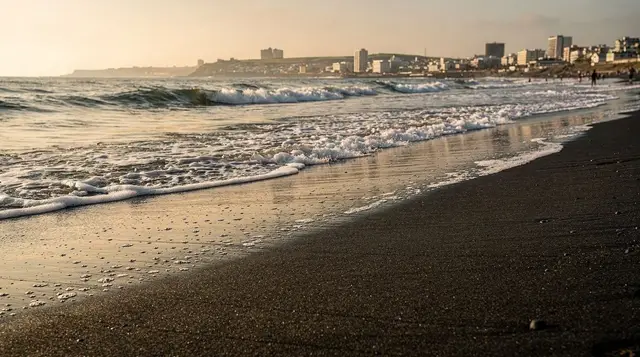
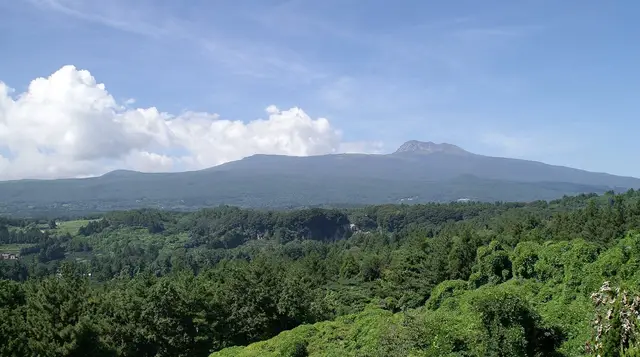

Seongsan is a small town that punches enormously above its size on any list of things to see in Jeju, almost entirely because of what rises directly behind it: Seongsan Ilchulbong, the tuff cone that has become the single most photographed sunrise viewpoint on the island and one of three sites making up Jeju’s UNESCO World Natural Heritage listing. It’s also the practical departure point for Udo, the most-visited of Jeju’s outlying islets, which means most itineraries touch Seongsan at least twice — once for the peak, once for the ferry.
| Where | East coast, 60-70 min drive from CJU airport |
| Cost | Around ₩5,000 climb entry; ₩30,000-50,000/person for a full day |
| Time needed | 1-2 days, more with a Udo day trip |
| Getting there | Rental car or organized tour; buses run at lower frequency |
| Best time | Dawn year-round for the climb; October for clearest skies |
Seongsan Ilchulbong
The tuff cone formed roughly 5,000 years ago from a shallow underwater eruption, and its crater — a broad, grass-covered bowl rimmed by jagged rock — is visible from the summit trail after a climb of about 20-30 minutes on stone steps and paved switchbacks. It’s not a technically difficult hike, but it is a genuine climb, steep enough in sections to leave most visitors out of breath, and the summit gets crowded at sunrise despite the early hour. Entry runs around ₩5,000, and the trail opens roughly an hour before official sunrise year-round, adjusting seasonally. The Seongsan Ilchulbong guide has current opening times and a fuller breakdown of what the trail actually involves, and Hiking Seongsan Ilchulbong at Sunrise covers timing strategy if catching the actual sunrise is the goal.
Jeju: UNESCO Sites & Sunrise Peak Hiking Small Group Tour handles the early transport and guiding if you’d rather not navigate a pre-dawn drive and parking situation on your own first visit.
Is sunrise worth the early wake-up?
Honestly, it depends on the weather more than the hour. A clear dawn from the summit — sun rising over the sea with the crater in silhouette below — is genuinely one of Jeju’s best moments. A cloudy or hazy morning, which happens often enough on this stretch of coast, gives you the same crowded climb without the payoff. If you’re not committed to the pre-dawn version, a mid-morning or late-afternoon visit avoids the worst crowds and still delivers the crater views, just without the specific sunrise light.
Gwangchigi Beach
At the base of Ilchulbong, Gwangchigi Beach offers one of the more distinctive photo angles on the peak itself — a low, flat beach with the cone rising dramatically behind it, popular for both sunrise photography from ground level and a quieter alternative to the summit climb for anyone who wants the view without the stairs.
Seongsan Port and the Udo ferry
Seongsan’s harbor runs frequent ferries to Udo, Jeju’s most popular offshore islet, with crossings taking about 15 minutes and departing every 20-30 minutes in good weather during the day. Ferries suspend in high winds or rough seas without much notice, so building flexibility into a Udo day trip from Seongsan is worth doing rather than cutting it too close on a tight schedule. The Ferry Schedules to Jeju’s Islets guide has current timetables and pricing.
For visitors who’d rather have the peak climb and the Udo crossing organized together rather than arranged separately, several operators package both into a single guided day — see the Udo Island destination guide for tour options that combine the two.
Diving and haenyeo near Seongsan
The waters around Seongsan, particularly near Ilchulbong itself, are a working haenyeo diving area, and several dive operators run scuba experiences in the clear coastal water here. Jeju: Scuba Diving Experience near Seongsan Ilchulbong is a beginner-friendly option if you want to get in the water rather than just look at it from the trail above.
Getting here
Seongsan is 60-70 minutes by car from CJU airport, among the longer drives on the island, via either the coastal road (1132) or the cross-island 97 route. Public buses run from Jeju City and Seogwipo, but at lower frequency than routes to closer destinations — a rental car or an organized tour is the more time-efficient way to reach Seongsan if your schedule is tight. Jeju Island: Seongsan Ilchulbong & Private Transfer is a direct option if you’d rather not manage the drive yourself.
Within the immediate area, Seopjikoji is about 10 minutes away, Gimnyeong and the Manjanggul area roughly 20 minutes northwest, and Hado’s Haenyeo Museum around 15 minutes north.
Practical tips for the sunrise climb
If you’re committing to the pre-dawn version, a few practical notes make a real difference: check the specific sunrise time for the date of your visit (it shifts by well over an hour between summer and winter), arrive at the trail entrance at least 30-40 minutes before opening to secure parking and a reasonable spot on the trail, and bring a headlamp or phone flashlight for the walk to the entrance in the dark, since street lighting in the immediate area is limited. Dress in layers — the summit is noticeably windier and cooler than the parking area, even in summer.
Where to stay
Seongsan has a reasonable range of guesthouses and small hotels catering specifically to the sunrise-hike crowd, many advertising pre-dawn wake-up service, running roughly ₩60,000-130,000/night. Staying overnight in Seongsan rather than driving in from Jeju City or Seogwipo for a dawn climb removes the worst part of the sunrise-hike logistics — the pre-dawn drive itself.
Food in Seongsan
The town’s dining centers on seafood, unsurprisingly, with a cluster of restaurants near the port serving fresh catch at ₩15,000-30,000 per person, alongside more casual options nearer the Ilchulbong entrance running ₩8,000-15,000. Expect tourist-town pricing given the volume of visitors passing through, somewhat higher than quieter towns elsewhere on the east coast.
Budget for a Seongsan visit
Ilchulbong entry runs around ₩5,000, the Udo ferry round trip roughly ₩8,500-13,500 depending on route and boat type, and a meal runs ₩10,000-25,000 per person depending on where you eat. A day covering the peak, lunch, and a Udo crossing comes to roughly ₩30,000-50,000 (about US$22-37) per person, before any tour or transport add-ons.
Combining Seongsan with the rest of east Jeju
Seongsan works well as a base for exploring the whole east-coast cluster — Seopjikoji’s cliffs, Manjanggul’s lava tube, and the beach towns strung along the coast toward Gimnyeong and Woljeongri are all within a 20-30 minute drive, making a 2-3 night Seongsan base a reasonable way to cover east Jeju without constant relocation.
Seasonal notes
Ilchulbong is climbable year-round, though winter winds at the exposed summit can be sharp and the trail occasionally closes in severe weather. October offers the clearest skies overall for sunrise viewing; summer’s hazier atmosphere can dull the effect even on a technically clear morning.
How Seongsan Ilchulbong formed
Ilchulbong is what’s known as a hydrovolcanic tuff cone, formed when magma encountered shallow seawater and produced a violent, explosive eruption of fine ash rather than the slower lava flows responsible for most of Jeju’s other volcanic features. That ash consolidated into the layered tuff rock visible in the crater walls today, and the crater itself — roughly 600 meters across — has stayed remarkably intact for something formed 5,000 years ago through an eruption dramatic enough to be visible from a considerable distance at the time. It’s this specific formation process, distinct from the shield-volcano geology of Hallasan or the lava-dome structure of Sanbangsan, that earned Ilchulbong its place in the UNESCO Geopark listing alongside Manjanggul and Hallasan itself.
The crowd management reality
Seongsan Ilchulbong receives some of the heaviest visitor traffic of any single site on the island, and the trail authorities have responded with staged entry points, marked walking directions on the narrower sections, and periodic capacity management during the busiest sunrise windows. None of this eliminates the crowding entirely — expect to share the summit view with dozens to hundreds of other visitors depending on season and time of day — but it does mean the experience is more organized than it might sound from crowd-complaint reviews online. Patience and reasonable expectations go a long way here.
Seongsan town beyond the peak
Away from the immediate tourist zone around the Ilchulbong entrance, Seongsan retains a genuine small-town character — a working harbor, modest residential streets, and a slower pace once you’re a few blocks from the main attraction. It’s worth a short walk beyond the entrance plaza if you have time, if only to see how quickly the tourist density drops off once you’re away from the single main draw.
Combining a Seongsan stay with a longer east-coast loop
Because Seongsan sits at the far eastern point of the island, a multi-night stay here works well as the anchor for exploring the whole northeast coast without excessive backtracking — day trips to Gimnyeong, Woljeongri, and Hado are all manageable, along with the Udo ferry, without needing to relocate accommodation partway through your east Jeju time.
Sunrise timing by season
| Season | Approx. sunrise | Crowd level | Notes |
|---|---|---|---|
| Winter (Dec-Feb) | Around 7:30 a.m. | Moderate | Sharp summit wind; dress warm |
| Spring (Mar-May) | Around 6:30-7:00 a.m. | High | Clearer skies than summer |
| Summer (Jun-Aug) | Around 5:15-5:30 a.m. | Very high | Haze can dull the view despite clear forecasts |
| Autumn (Sep-Nov) | Around 6:30-7:15 a.m. | High | October generally offers the clearest skies |
Extending an east-coast stay from Seongsan
Travelers basing multiple nights in Seongsan often build out to the wider coast rather than day-tripping back and forth. The best day tours in Jeju guide rounds up structured options covering the UNESCO sites together, while a self-driving loop can add the Bijarim Forest or Seongeup Folk Village inland without much extra driving. For a broader sense of how much time east Jeju deserves versus the rest of the island, see how many days in Jeju.
Families and photography at Seongsan
The crater climb involves real stairs and isn’t stroller-friendly, so families with young children often plan around it rather than through it — the Jeju with kids guide covers alternatives nearby. For photographers, the combination of Ilchulbong, Gwangchigi Beach, and the wider coastline makes this one of the island’s most productive stops; the Jeju photography spots guide and Jeju sunrise and sunset photography guide both cover angles and timing in more depth than fits here.
Frequently asked questions about Seongsan
Do I need to climb Ilchulbong at sunrise specifically?
No — the crater and views are worth seeing any time of day; sunrise adds a specific atmosphere but comes with the biggest crowds and the earliest wake-up.
How long does the Ilchulbong climb take?
About 20-30 minutes up, similar down, plus time at the summit — budget 1-1.5 hours total for the visit.
How do I get to Udo from Seongsan?
Ferries run from Seongsan Port roughly every 20-30 minutes during the day in good weather; the crossing itself takes about 15 minutes.
Is Seongsan worth staying overnight in?
Yes, particularly if a sunrise climb is a priority — it removes the need for a pre-dawn drive from elsewhere on the island.
Can ferries to Udo get cancelled?
Yes, in high winds or rough seas, sometimes with limited notice — build a buffer day into your schedule if the Udo trip matters to you.
Is there an age or fitness limit for the Ilchulbong climb?
No formal limit, but the trail has real steps and inclines — most reasonably fit visitors of any age manage it, though it’s not stroller or wheelchair accessible.
What’s the closest UNESCO-linked lava tube to Seongsan?
Manjanggul, about 20 minutes northwest via Gimnyeong.
How did Seongsan Ilchulbong actually form?
It’s a hydrovolcanic tuff cone, created roughly 5,000 years ago when magma met shallow seawater in an explosive eruption that deposited layers of volcanic ash, distinct from the slower lava-flow processes that shaped much of the rest of the island.
Is Seongsan town worth exploring beyond the Ilchulbong entrance?
Yes — a short walk away from the main tourist zone reveals a quieter, genuine small harbor town, worth a look if you have extra time.
What time does the sun actually rise at Seongsan?
It shifts by more than an hour across the year — roughly 5:15-5:30 a.m. in summer versus around 7:15-7:30 a.m. in winter — so check the specific date before planning your wake-up time.
Is Seongsan worth it if I can’t make it for sunrise?
Yes — the crater and coastal views hold up well at any hour, and a mid-morning or late-afternoon visit avoids both the pre-dawn wake-up and the heaviest crowds.


