
Gwakji
Gwakji Beach pairs a quiet stretch of west-Jeju sand with a natural cold spring, a calmer alternative to Hyeopjae just up the coast.
Quick facts
Top tours and experiences
We earn a small commission if you book through GetYourGuide — at no extra cost to you. Every tour is hand-picked and verified.
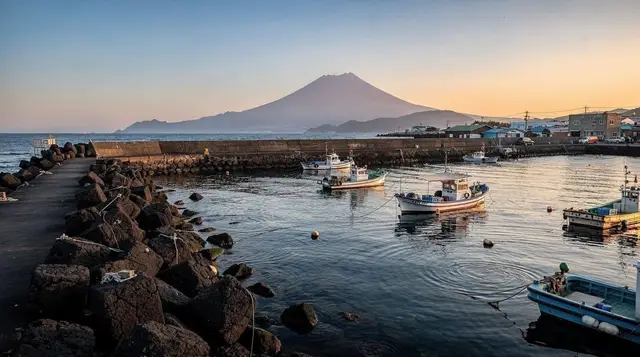
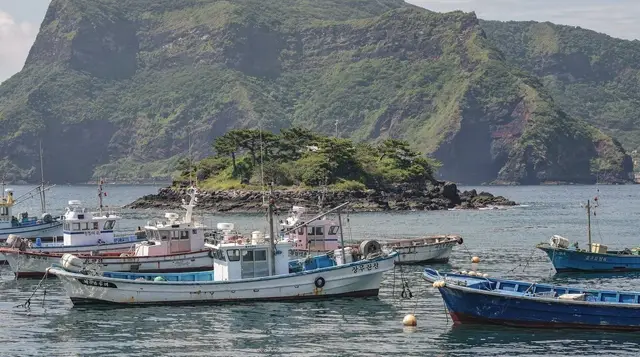
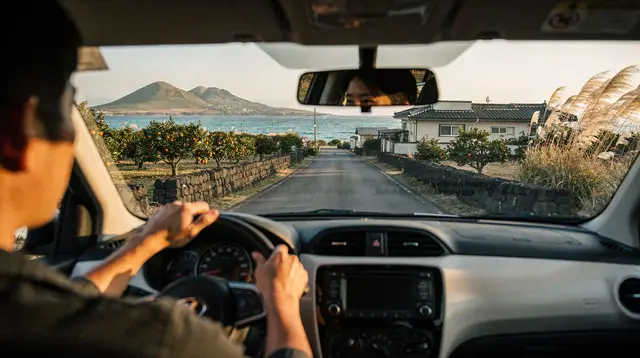
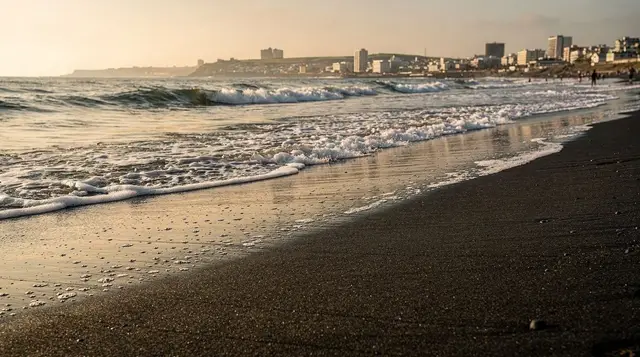
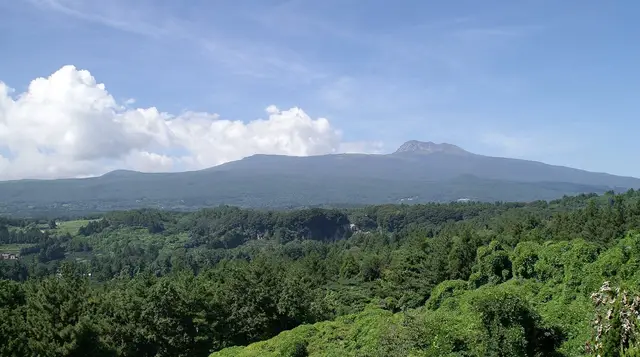

Gwakji Beach sits a short drive south of the busier Hyeopjae Beach on Jeju’s northwest coast, and its main claim to distinction is a natural cold-water spring — locally called “gwamul” — that feeds into the northern end of the beach, creating a small freshwater-mixed pool alongside the regular seawater. It’s a quieter, less-photographed alternative to Hyeopjae, popular with Korean domestic visitors who know the spring but still relatively under-the-radar for international tourists.
| Where | West-Jeju coast, just south of Hyeopjae Beach |
| Cost | Free; meal at a local eatery ₩10,000-15,000 |
| Time needed | Half a day |
| Getting there | 35-40 min by car from CJU; ~10-15 min from Hallim |
| Best time | Summer for swimming; off-peak for a quiet walk |
The Gwamul spring
At the beach’s northern end, a natural spring surfaces at the shoreline, staying noticeably colder than the surrounding seawater even in the height of summer — a genuinely refreshing contrast on a hot day, and locally popular for exactly that reason. The spring area is smaller and shallower than the main beach, better suited to cooling off and wading than serious swimming, and it draws a loyal following of regulars who treat it almost like a natural cold plunge. It’s unmarked by major signage, so ask locally or look for the area where a distinct current of clearer, colder water meets the tide if you can’t immediately spot it.
The beach itself
Beyond the spring, Gwakji’s main beach is a modest stretch of sand and rock, smaller and less manicured than Hyeopjae’s, with a more local, less tourist-oriented feel. It’s a reasonable swimming beach in its own right during the official summer season, if less consistently photogenic than its more famous neighbor. The relative lack of crowds is the real draw here — even on a summer weekend when Hyeopjae is packed, Gwakji tends to stay noticeably calmer.
Getting here
Gwakji is about 35-40 minutes by car from CJU airport, roughly comparable to Hyeopjae and just a few minutes further along the same coastal road. Public bus service reaches this area with limited frequency; a car or taxi is the practical option, particularly since Gwakji’s appeal is partly about avoiding the crowds that gather at bus-accessible beaches. From Hallim, expect roughly 10-15 minutes by car.
Food and facilities
Gwakji has fewer restaurants and cafés directly on the beachfront than Hyeopjae, reflecting its quieter, more local character — a handful of small eateries and convenience stores serve the immediate area, with a wider selection available a short drive north in Hyeopjae or Hallim. Facilities at the beach itself (restrooms, basic rinse stations) are more limited than at the bigger beaches, so plan accordingly if you’re spending a full day.
Combining Gwakji with a west-coast day
Gwakji works best as a quieter add-on to a day centered on Hallim or Hyeopjae rather than a standalone destination — swing by for the cold spring and a quieter stretch of sand after (or instead of) the busier beach nearby. It’s also a reasonable stop for anyone specifically seeking out Jeju’s lesser-known coastal spots, a theme covered more broadly in the best beaches roundup.
Planning the rest of the west coast around Gwakji
If Gwakji is one stop among several, the west Jeju day tour guide and the west Jeju itinerary show how the stretch fits together, and the west Jeju overview puts the surrounding villages on one map. Neighbouring Hangyeong and Aewol are natural extensions if you have time left in the afternoon, and the Aewol café guide helps with a coffee stop after the beach. For a longer look at the sand next door, see the Hyeopjae Beach guide, and the Gwakji Beach guide goes deeper on the beach itself.
Doing the coast without driving
Not everyone wants to handle a rental car on narrow coastal roads. If you would rather leave the logistics to someone else, a west-coast bus tour that starts from Seogwipo covers the area in a single day, though a group schedule rarely leaves long enough for the cold spring. Travellers who prefer a slower pace can look at a customised private van tour for a full day, which lets you ask the driver to linger at the quieter beaches instead of the headline stops. If you want a broader sweep of the island’s west and south, a full-day tour of the west and south is another option. The private versus group tours guide and the best day tours roundup help you decide between formats.
Other practical guides worth reading first
Before you go, the car rental and IDP guide and the driving road trip tips cover the practical side of reaching an informal parking area. If you plan to rely on a taxi, the Kakao T taxi guide explains how to order one, and the Jeju bus guide is the place to check what public transport can realistically do on this stretch. For swimming, read the water sports safety and seasons guide, and for light snorkelling near rocks see the snorkelling guide. Families can start with the Jeju with kids guide, and anyone chasing evening light should look at the sunrise and sunset photography guide. Bad weather can close a beach day, so the typhoon season guide is worth a glance when you plan travel dates, and Hallim Park is a good dry-weather backup nearby.
Where to stay
Accommodation directly in Gwakji is sparse — most visitors staying in this stretch of coast base themselves in Hyeopjae or Hallim, both a short drive away with a wider range of pensions and guesthouses, and visit Gwakji as a day or half-day trip.
Budget for a Gwakji visit
There’s no entry fee for the beach or the spring. A simple meal at one of the area’s limited local eateries runs ₩10,000-15,000 per person, similar to or slightly below prices at the busier neighboring beaches. A quiet half-day here, including a light meal, comes to roughly ₩10,000-20,000 (about US$8-15) per person — one of the more budget-friendly beach stops on this coast.
Seasonal notes
Summer brings the official swimming season and the best conditions for enjoying the cold spring’s contrast against warm air and seawater. Spring and autumn are quiet and pleasant for a walk, without swimming weather. Winter along this exposed coast is windy and cold, with little reason to visit beyond a brisk, empty-beach walk.
The broader phenomenon of Jeju’s coastal springs
Gwakji’s Gwamul spring is one of several natural freshwater springs found along Jeju’s coastline, a byproduct of the island’s porous volcanic rock, which allows rainwater to filter underground and re-emerge at the shoreline rather than running off directly into the sea as surface streams. Jeju has relatively few visible rivers for this reason — most of its fresh water travels underground — and coastal springs like Gwakji’s are one of the more visible, tangible signs of this hydrology at work. Locals have long used these springs for both drinking water historically and, as at Gwakji, recreational cold bathing.
Why Gwakji stays quiet
Part of the reason Gwakji hasn’t developed the same visitor density as Hyeopjae comes down to marketing and infrastructure rather than the quality of the setting itself — Hyeopjae’s more consistently photogenic sand and its earlier establishment as a named destination on tour itineraries gave it a head start that Gwakji, despite comparable natural appeal, never quite caught up to. For visitors specifically seeking a quieter alternative without sacrificing much in scenery, this gap works entirely in their favor.
A short walking loop
Beyond swimming, a short coastal walking path connects the spring area to the main beach and a stretch of rockier shoreline to the south, offering tidepool exploration at low tide and a quieter, more contemplative alternative to sunbathing on the sand. It’s an easy addition to a beach visit for anyone who wants to stretch their legs beyond just sitting at the water’s edge.
Combining a Gwakji stop with the wider coast
Given how close together Hallim, Hyeopjae, and Gwakji sit — all within about 15 minutes of each other — a single day covering all three is realistic for visitors who want a fuller sense of this stretch of coast without spending multiple days here. The honest recommendation for most itineraries: treat Gwakji as a shorter stop within that trio rather than the day’s main event, given its more limited restaurant and facility options relative to its neighbors.
Water quality and safety
Because part of Gwakji’s water is freshwater-influenced by the spring, the temperature and clarity can vary noticeably within a short distance — worth being aware of if you’re moving between the spring area and the regular seawater sections during a swim, since the sudden temperature shift can catch swimmers off guard. Signage is minimal, so use your own judgment about depth and current rather than assuming a marked, supervised swimming area throughout.
Parking near Gwakji
Parking is informal along the road nearest the beach and spring — there’s no large dedicated lot the way Hyeopjae has, which is part of why arriving early on summer weekends matters even more here than at the busier neighboring beach. On quieter days outside peak season, finding a spot is straightforward.
Local etiquette at the spring
Because the Gwamul spring is a genuine local amenity rather than a purpose-built tourist facility, it’s worth being mindful that Jeju residents use it too, particularly on hot days — treat it as a shared community space rather than an exclusive attraction, and avoid crowding the narrowest access points if a local family is already using the spring. This low-key, unpretentious quality is part of what makes Gwakji feel different from more commercialized beach experiences elsewhere on the island.
Photography at Gwakji
The contrast between the clear, mineral-tinted spring water and the surrounding seawater creates a visually distinct color boundary worth photographing at close range, particularly on a sunny day when the difference in clarity is most pronounced. Beyond the spring, the beach’s relative emptiness compared to Hyeopjae makes it easier to capture uncluttered wide shots of the coastline without other beachgoers in frame — a genuine advantage for photographers over the busier neighboring beach.
Getting between Gwakji, Hyeopjae, and Hallim without a car
For visitors without their own vehicle, the short distances between these three points (roughly 5-10 minutes each by car) unfortunately don’t translate into an easy walk — the coast road here isn’t consistently pedestrian-friendly, and taxis are the more practical option for hopping between the three if a rental car isn’t part of your trip. Ordering a taxi via a ride-hailing app tends to work more reliably than hailing one roadside in this less-trafficked stretch of coast.
Sunset without the crowds
Hyeopjae’s sunset draws the bigger crowds given its more famous Biyangdo backdrop, but Gwakji offers a comparable west-facing view with a fraction of the audience — a genuine advantage for anyone who finds a crowded sunset viewpoint distracting rather than atmospheric. The trade-off is a slightly less dramatic offshore focal point, since Biyangdo sits at more of an angle from Gwakji than from Hyeopjae directly.
A quiet alternative for repeat Jeju visitors
For travelers returning to Jeju after already covering the island’s headline beaches, Gwakji represents the kind of lower-profile stop that rewards a slower, more exploratory approach to the island — the sort of place locals mention when asked for recommendations beyond the standard list, rather than something that appears prominently in most guidebooks or tour itineraries. It won’t replace a visit to Hyeopjae or the beaches further afield for a first-time visitor with limited time, but for anyone building a second or third Jeju trip around quieter, less-photographed corners of the coast, it’s a worthwhile addition to a west-coast day.
What to bring
Since Gwakji has fewer on-site facilities than Hyeopjae, it’s worth bringing your own water, a towel, and any sun protection you’ll need rather than counting on picking items up locally — the nearest well-stocked convenience stores are a short drive away in Hallim or Hyeopjae rather than immediately at hand.
Gwakji versus Hyeopjae, honestly
Hyeopjae wins on facilities, café density, and the more famous Biyangdo sunset backdrop; Gwakji wins on crowds, price, and the genuinely distinctive cold spring that Hyeopjae simply doesn’t have. Neither is objectively “better” — the right choice depends on whether you want a fuller beach-town experience or a quieter, more local half-day. Many visitors treat the decision as a false choice anyway, since the two are only a few minutes apart and combine easily into one coastal outing.
Frequently asked questions about Gwakji
What makes the Gwamul spring different from the regular seawater?
It’s a natural freshwater spring surfacing at the shoreline, noticeably colder than the surrounding sea even in summer — locals treat it as a natural cold-water dip spot distinct from regular beach swimming.
Is Gwakji as crowded as Hyeopjae?
No, it’s consistently quieter, even during peak summer weekends, which is its main appeal for visitors who’ve already seen the busier beaches nearby.
Can I swim at the spring itself?
Yes, wading and cooling off in the spring area is popular, though it’s shallower and smaller than the main beach — better for a refreshing dip than serious swimming laps.
Are there restaurants right at Gwakji Beach?
A limited selection compared to Hyeopjae or Hallim — most visitors eat in one of those nearby towns rather than relying on options directly at Gwakji.
Do I need a car to reach Gwakji?
Yes, practically speaking — bus service is infrequent on this stretch, and Gwakji’s quiet character is easier to appreciate arriving on your own schedule.
Is Gwakji worth visiting if I’ve already been to Hyeopjae?
Yes, specifically for the cold spring and the calmer atmosphere — it’s a worthwhile short add-on rather than a separate full trip.
Is Gwakji suitable for families with young children?
Yes, the spring’s shallow, contained area is generally manageable for children under supervision, though it’s not a lifeguarded facility the way the main beach is during official swimming season.
Are there tidepools at Gwakji?
Yes, the rockier stretch of shoreline south of the main beach exposes tidepools at low tide, worth a look for anyone interested in small marine life beyond just swimming.
What time of day is quietest at Gwakji?
Gwakji is consistently quiet relative to Hyeopjae throughout the day, but early morning before the midday sun peaks offers the calmest, coolest conditions for a visit.


