
Hangyeong
Hangyeong is a quiet west-Jeju township centered on Suwolbong Peak's UNESCO Geopark cliffs and Ongpo Port's small-scale fishing harbor.
Quick facts
Top tours and experiences
We earn a small commission if you book through GetYourGuide — at no extra cost to you. Every tour is hand-picked and verified.
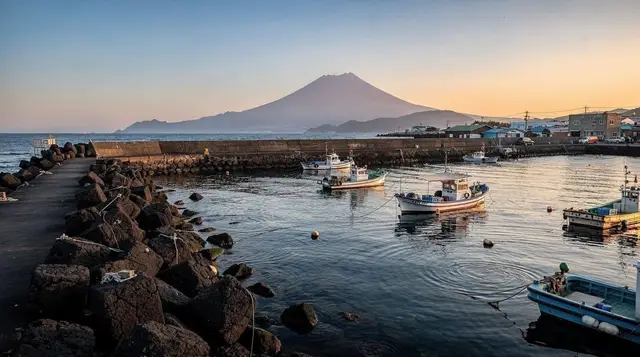
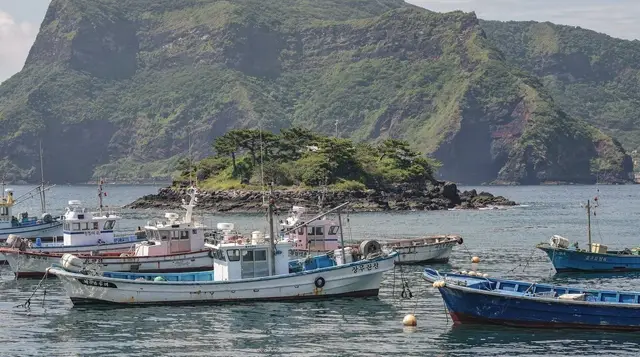
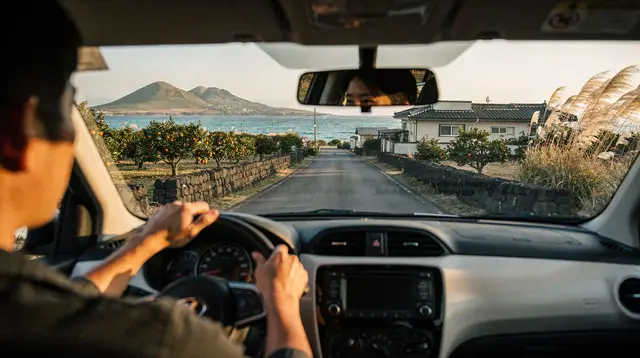
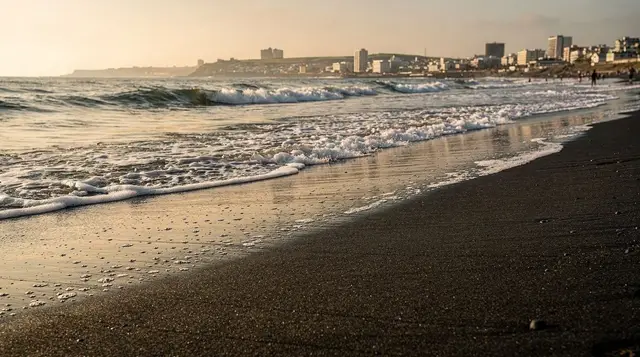
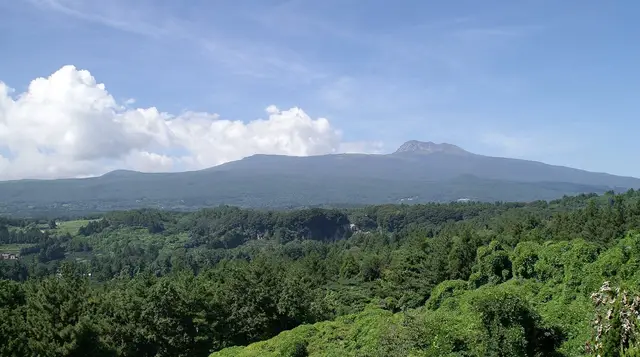

Hangyeong is a rural township on Jeju’s far northwest coast, quieter and less visited than the beach towns and café strips further north, and its main draw is Suwolbong Peak — a low volcanic tuff cone recognized as part of Jeju’s UNESCO Global Geopark, with a short climb rewarded by wide coastal views and, in season, canola fields spreading below.
| Where | Far northwest coast, near Sinchang and Moseulpo |
| Cost | Free to climb Suwolbong |
| Time needed | A few hours; easily paired with Sinchang or Hallim |
| Getting there | 45-50 min drive from CJU airport |
| Best time | Late afternoon into sunset, any season; April for canola bloom |
Suwolbong Peak
Suwolbong (“moon-viewing peak”) rises just 78 meters above the coastline, but its position directly on the water gives it an outsized view for the modest effort of the climb — 15-20 minutes up a well-maintained path to the summit. The peak is included in Jeju’s UNESCO Global Geopark for its exposed volcanic tuff layers, visible in the cliff faces along the trail, a smaller-scale but geologically comparable formation to the far more famous Seongsan Ilchulbong on the opposite side of the island. Sunset here is genuinely worthwhile — the peak faces almost due west with an unobstructed horizon, and it draws a fraction of the crowds that gather for sunset at more famous viewpoints.
Canola fields around Suwolbong
In April, the farmland at the base of Suwolbong turns bright yellow with canola bloom, a smaller-scale, less crowded version of the more heavily marketed canola fields elsewhere on the island. Combining a canola-season visit with the peak’s sunset view is one of the better under-the-radar spring outings on Jeju’s west coast — see the canola flower season guide for bloom timing across the island.
Ongpo Port
Hangyeong’s coastline includes Ongpo, a small fishing harbor with a quiet, unpolished character typical of Jeju’s smaller west-coast ports — working boats, a handful of simple seafood restaurants, and none of the tourist infrastructure of the bigger harbors at Hallim or Moseulpo. It’s a reasonable stop for anyone specifically seeking out Jeju’s quieter, less-developed coast rather than its headline sights.
Getting here
Hangyeong is about 45-50 minutes by car from CJU airport, further along the coast than Hallim and roughly on par with Sinchang, its immediate neighbor. Public bus service exists but runs infrequently on this stretch; a rental car is close to essential for a comfortable visit, particularly if timing a trip around sunset. From Moseulpo to the south, expect roughly 15-20 minutes.
Garlic fields
Like neighboring Hallim, the countryside around Hangyeong is part of Jeju’s main garlic-growing belt, a quieter agricultural landscape worth noticing on a drive through even though it’s not a dedicated sightseeing stop in its own right.
Combining Hangyeong with a coastal drive
Hangyeong works best as a stop along a longer west-coast drive rather than a standalone destination — pair a sunset climb up Suwolbong with a visit to the wind-turbine-lined coast road at Sinchang just to the north, or continue south toward Moseulpo and the Sanbangsan/Songaksan cluster. It’s a low-key addition to an itinerary rather than a reason to build a day specifically around it, and that’s a fair way to think about most of this stretch of coast.
Where to stay
Accommodation directly in Hangyeong is limited — a handful of small pensions and countryside guesthouses exist for visitors who specifically want a quiet, rural base, but most travelers stay in Hallim or nearer the beaches and visit Hangyeong as a day stop.
Budget for a Hangyeong visit
There’s no entry fee to climb Suwolbong. A simple seafood meal at Ongpo’s small restaurant cluster runs ₩12,000-20,000 per person, generally cheaper than equivalent meals at busier ports further north. A quiet half-day here, including a light meal, comes to roughly ₩12,000-20,000 (about US$9-15) per person — one of the more affordable stops on the west coast, reflecting how little commercial tourism infrastructure has developed here.
Seasonal notes
Suwolbong’s sunset view works in any season, though wind picks up noticeably along this exposed stretch of coast in winter. April brings the canola bloom at the peak’s base, the single best reason to time a visit specifically. Summer haze can dull the long-distance visibility from the summit; the clearest views generally come in autumn and winter on dry, wind-scoured days.
Suwolbong’s UNESCO Geopark designation explained
Suwolbong’s inclusion in Jeju Island’s UNESCO Global Geopark reflects the exposed volcanic tuff layers visible in its cliff faces — clearly banded sediment deposited by a volcanic eruption through shallow water, a formation type shared with the far more visited Seongsan Ilchulbong on the island’s opposite coast but presented here at a fraction of the scale and with none of the crowds. Geology enthusiasts specifically interested in comparing Jeju’s various tuff-cone formations will find Suwolbong a useful, quieter reference point alongside Seongsan and other similar sites documented in the Geopark network.
The view from the summit
From Suwolbong’s modest 78-meter summit, the view extends along the coastline in both directions and out to open sea, with visibility on a clear day reaching far enough to pick out distant landmarks along the northwest coast. It’s a genuinely wide panorama for such a short climb, and the relative lack of other visitors means you can typically linger at the top without needing to make way for others — a contrast to the more crowded viewpoints at Jeju’s headline attractions.
Hangyeong’s agricultural character
Beyond the garlic fields, the countryside around Hangyeong supports a mix of other crops depending on the season, part of the broader agricultural backbone of Jeju’s west coast that’s easy to overlook when focused on beaches and cafés further north. Driving through this area outside the main tourist season gives a more grounded sense of how much of Jeju’s economy still depends on farming and fishing, even as tourism has reshaped the coastline elsewhere on the island.
A quiet alternative itinerary for west Jeju
For visitors who’ve already covered the more heavily trafficked stops at Aewol and Hallim, a day built around Hangyeong, Sinchang, and the quieter stretch of coast between them offers a genuinely different pace — fewer sights, but each one experienced without competing for space with other visitors. This kind of itinerary suits repeat Jeju travelers or anyone specifically seeking a slower, less scripted day more than a first-time visitor working through a checklist of headline attractions.
Comparing Hangyeong’s pace to the rest of west Jeju
West Jeju as a whole trades the density of headline attractions found in the east for a more spread-out, cumulative kind of appeal, and Hangyeong sits toward the quiet end of that spectrum even within its own region — quieter than Hallim or the beach towns, with a single genuine standout (Suwolbong) rather than a cluster of sights. Visitors should calibrate expectations accordingly: this is a stop for a specific view and a specific sense of place, not a destination with a full day’s worth of activities packed into it.
Practical tips for the climb
The path up Suwolbong is well-maintained but can be slippery after rain given its exposed, sometimes grassy sections — sturdy shoes with decent grip are worth having even for this short a climb. There’s no shade along most of the route, so sun protection matters on clear days, and the summit itself has no facilities beyond a viewing area, so bring water if you plan to linger for sunset rather than a quick up-and-down visit.
Sunset crowd comparison
Compared to more famous sunset spots on Jeju’s south and west coasts, Suwolbong draws a genuinely small crowd even during peak golden-hour timing — a real point in its favor for visitors who’ve found other viewpoints too crowded to enjoy comfortably, at the cost of the more developed cafés and facilities found at busier sunset destinations.
Respecting the working landscape
As with several other quiet west-coast towns, much of the land around Suwolbong and Ongpo remains in active agricultural or fishing use — staying on marked paths, not disturbing garlic or other crops along field edges, and treating the harbor as a working space rather than a photo prop are reasonable courtesies for any visitor passing through.
Wildlife and birdwatching
The cliffs and grassy slopes around Suwolbong attract a range of coastal bird species, particularly during migration seasons in spring and autumn, when Jeju’s west coast serves as a stopover point for birds moving between mainland Korea and points further south. Casual birdwatchers passing through won’t need specialized equipment to notice this activity, though serious birders may want to bring binoculars for a more rewarding visit during peak migration windows.
Sunset timing through the seasons
Because Suwolbong’s main appeal is its sunset view, timing matters more here than at attractions with daytime highlights. Sunset shifts from as late as around 7:30-8pm in summer to as early as 5:30pm in winter — checking current sunset times before heading out, rather than assuming a fixed schedule, avoids either arriving too early and waiting around or missing the light entirely.
Combining Hangyeong with a longer road trip
For visitors doing a full loop of Jeju by car — a popular way to see the island over several days — Hangyeong makes sense as a mid-route stop on the northwest leg, between the more developed stops around Hallim and the historically rich southwest corner near Moseulpo and Songak. Building in a short stop here breaks up a longer driving day with a genuine, if brief, highlight rather than simply passing through.
If you would rather not drive
Because public buses are infrequent here, some travelers prefer to let someone else handle the logistics. A guided day can fold the west coast’s geology into a longer route, for example a western UNESCO sightseeing day timed around the sunset views, which suits the way Suwolbong is best enjoyed. For a broader take on the Geopark’s headline sites, a private natural heritage tour with a certified guide lets you set the pace and add stops. Neither is necessary, since Suwolbong is free and easy to reach by car, but both are worth weighing if you do not want to rent one. Our guide to private versus group day tours helps you decide, and the west Jeju day tour guide shows what a typical route covers.
More to plan around Hangyeong
Hangyeong fits into several wider plans. The west Jeju itinerary strings the coast together, while the west Jeju day tour and UNESCO sites day tour guides cover the Geopark context. If you are chasing light, see sunrise and sunset photography and the best sunrise spots. For driving practicalities, read car rental and the international driving permit and road trip driving tips. Spring visitors can pair this stop with the canola fields guide, and anyone mapping a longer loop can use the road trip loop itinerary. For a wider view of the region, see the west Jeju overview and Gwakji, or check where to stay before you book.
Suwolbong’s tuff cone formation, in plain terms
A tuff cone forms differently from Jeju’s more common shield-volcano lava flows: rather than molten rock flowing gradually across the surface, a tuff cone results from an explosive eruption through shallow water or wet ground, throwing up ash and rock fragments that settle into distinctive layered bands. Those bands are what’s visible in Suwolbong’s exposed cliff faces today, a readable record of a single, relatively violent eruptive event rather than the slower accumulation typical of Hallasan’s broader shield form. Seongsan Ilchulbong on the opposite coast formed the same way at a much larger scale, which is why the two sites are grouped together in Jeju’s UNESCO Global Geopark despite their very different visitor numbers.
Ongpo Port’s fishing community
Ongpo remains a genuinely working harbor rather than a tourist-oriented one, with small boats specializing in near-shore catch rather than the larger operations at ports like Moseulpo or Hallim. Its restaurants, while limited in number, tend to serve whatever the boats brought in that day at prices that reflect the port’s low-key, unpretentious character rather than any tourist markup.
Suwolbong through the seasons
| Season | Conditions | Highlight |
|---|---|---|
| Spring (Apr) | Mild, breezy | Canola bloom at the peak’s base |
| Summer | Haze can dull visibility | Long sunset window (to ~7:30-8pm) |
| Autumn | Clear, dry | Best long-distance visibility |
| Winter | Windy, exposed | Early sunset (~5:30pm), quiet crowds |
Autumn and winter generally give the clearest views from the summit; April is the one month worth planning around specifically, for the canola bloom at the base of the climb.
Frequently asked questions about Hangyeong
How long does the Suwolbong climb take?
About 15-20 minutes up a well-maintained path to the summit — a short, low-effort hike compared to Jeju’s bigger climbs.
Is Suwolbong as crowded as Seongsan Ilchulbong?
No, it draws a fraction of the visitors despite comparable UNESCO Geopark geology — one of its main appeals for anyone who’s found Seongsan too crowded.
When is the best time to see canola flowers here?
April, when the fields at Suwolbong’s base bloom bright yellow — a quieter, less-marketed version of the island’s more famous canola displays.
Is there an entry fee for Suwolbong?
No, it’s a free public trail and viewpoint.
Do I need a car to visit Hangyeong?
Yes, practically speaking — bus service is infrequent, and the area’s appeal (a quiet sunset climb, an unpolished fishing port) is easiest to enjoy on your own schedule.
Is Hangyeong worth a dedicated trip?
Not on its own for most itineraries — it’s better treated as a stop along a longer west-coast drive between Hallim/Sinchang and the Moseulpo/Sanbangsan area.
What’s the best month to see canola flowers at Suwolbong?
April is the reliable peak window, though exact timing shifts slightly year to year depending on spring weather — check current bloom reports if timing your visit specifically around the flowers.
Are there restrooms at Suwolbong?
Basic facilities exist near the trailhead parking area, but nothing at the summit itself — plan accordingly, especially if lingering for sunset.
Can I drive right up to Suwolbong?
You can drive to a parking area near the base, from which the climb itself is on foot only — there’s no vehicle access to the summit.


