
Seogwipo
Seogwipo is Jeju's southern coastal city — waterfalls, the Jungmun resort strip, and the mildest winters on the island, thanks to Hallasan.
Quick facts
Top tours and experiences
We earn a small commission if you book through GetYourGuide — at no extra cost to you. Every tour is hand-picked and verified.
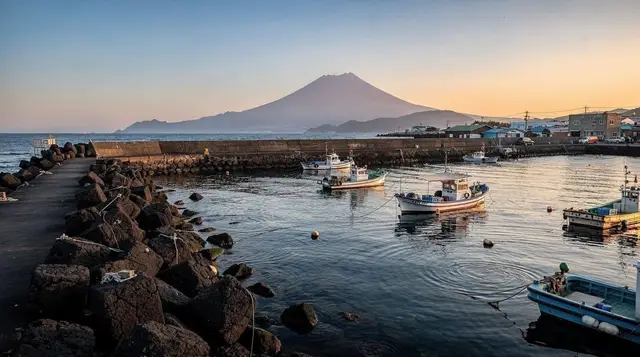
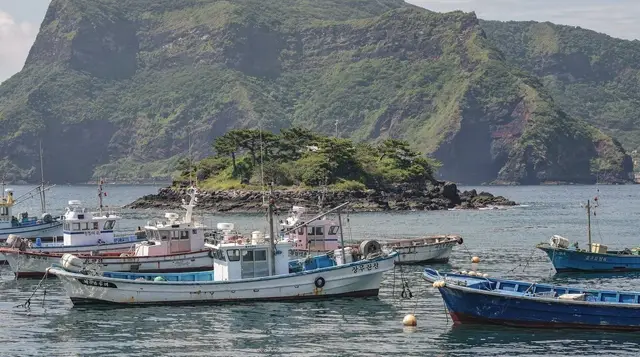
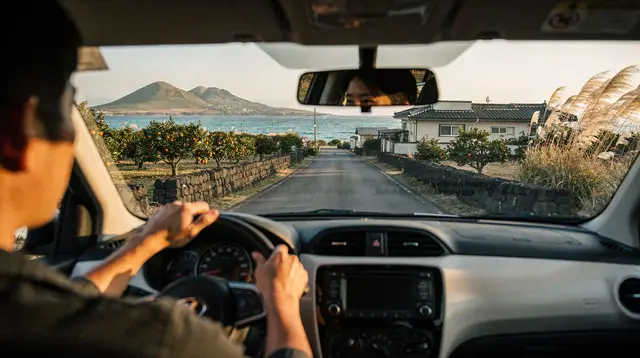
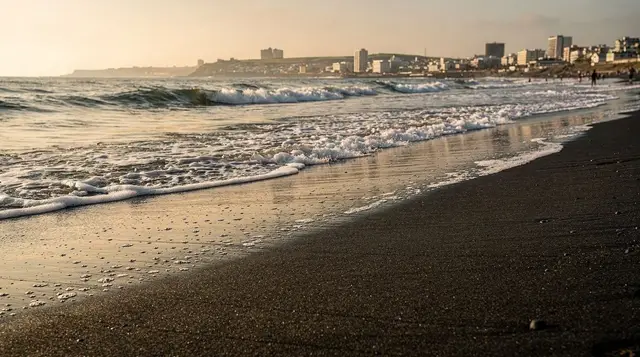
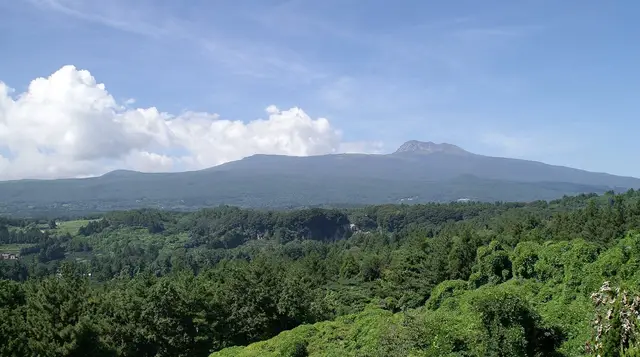

Seogwipo sits on Jeju’s south coast in the lee of Hallasan, and that geography matters more than the guidebooks usually admit: the mountain blocks the worst of the winter wind, which makes Seogwipo noticeably milder than Jeju City in December and January, and it also collects rainfall that feeds the three waterfalls the city is built around. With about 181,000 residents, it’s the island’s second city, smaller and slower-paced than Jeju City, and it holds the bulk of Jeju’s beach-resort infrastructure at Jungmun.
| Where | South coast, sheltered by Hallasan |
| Getting there | 45-60 min drive from CJU airport, or the 600 limousine bus |
| Time needed | 2-3 days for waterfalls, Jungmun and old town |
| Best time | October for clear skies; spring for strongest waterfall flow |
| Good for | Waterfalls, resort stays, cruise stops, milder winters |
Two different Seogwipos in one destination
There’s old Seogwipo — the harbor, the covered market, the walking streets around Lee Jung-seob Street (named for the painter who lived here during the Korean War) — and there’s resort Seogwipo, the Jungmun strip a 20-minute drive west, lined with large hotels, the Jungmun Saekdal Beach, and attractions built for package tourism (Yeomiji Botanical Garden, Africa Museum, Teddy Bear Museum). Both are covered here; if you want the resort side in more depth, the Jungmun destination guide goes further into hotel tiers and beach specifics.
Getting here and around
From CJU airport, Seogwipo is 45-60 minutes by car via the 1100 Road (scenic, crosses Hallasan’s flank, closes in heavy snow) or the Jeju-Seogwipo Expressway (faster, less scenic). The 600 limousine bus runs from the airport to Jungmun for around ₩3,500 and to central Seogwipo for about ₩4,700, departing roughly every 15 minutes from 6:20 a.m. to 9:50 p.m. — a genuinely workable option if you’re not renting a car and staying in the resort area.
Within Seogwipo, the waterfalls, old town, and harbor are close enough to walk between, but Jungmun and the western attractions (Sanbangsan, Osulloc) require a car or taxi. Driving from Seogwipo to Jeju City takes the same 45-60 minutes in reverse; reaching Seongsan in the east is about 50 minutes along the coastal road, and Hallasan’s Seongpanak trailhead is roughly 30 minutes north.
The waterfall circuit
Seogwipo’s three named waterfalls are its signature feature, each with a different character:
Cheonjiyeon Waterfall — the most visited, a 22m drop into a pool a short, well-paved walk from the entrance, illuminated at night in high season. Entry is around ₩2,000. It’s busy but the walk through subtropical forest to reach it is genuinely pleasant, not just a queue for a photo.
Jeongbang Waterfall — the only waterfall in Asia that falls directly into the ocean, which is a real point of distinction rather than marketing. Reachable via a short walk down from a clifftop parking area; entry around ₩2,000. Flow is strongest after rain and can slow to a trickle in dry stretches of winter.
Cheonjeyeon Waterfall — actually three connected falls (the name means “God’s Pond”), linked by a scenic walking trail with a distinctive arched Seonimgyo bridge. Quieter than Cheonjiyeon, and arguably the most scenic of the three when water levels are good.
The honest note here: all three are weather-dependent. After a dry winter stretch, don’t expect dramatic cascades — go for the walk and the forest as much as the waterfall itself, and check recent flow reports if the waterfall is the whole point of your visit. See the full Cheonjiyeon guide and Jeongbang guide for opening hours and seasonal flow notes.
Jusangjeolli Cliff
A stretch of hexagonal basalt columns along the coast near Jungmun, formed by lava cooling and contracting into a honeycomb pattern. Entry is around ₩2,000 and the boardwalk viewing area takes 20-30 minutes; go at high tide for waves crashing dramatically against the columns, though rough seas can close the boardwalk on windy days. Full details in the Jusangjeolli guide.
Old town Seogwipo
The area around Seogwipo Maeil Olle Market (a covered traditional market, less touristed than Dongmun in Jeju City) and Lee Jung-seob Street is worth an evening on foot — small galleries, seafood restaurants, and the harbor where local fishing boats still come in. Jeju: Seogwipo City Walking Tours with Sunset is a guided option through this district timed to end at golden hour over the harbor, useful if you want context on the Lee Jung-seob history and local landmarks rather than wandering blind.
Jungmun resort area
Jungmun is where most large hotel chains on Jeju are concentrated — Shilla, Lotte, and several others along a stretch of coast with the black-sand Jungmun Saekdal Beach in front. It’s built for package tourism and it shows: prices run higher here than old-town Seogwipo, and the beach itself, while attractive, is often crowded and hemmed in by resort development. It works well as a base if you want a full-service hotel with pools and spas, less well if you’re chasing an “authentic” Jeju feel — for that, stay in old-town Seogwipo instead.
Culture and quiet stops
Yakcheonsa is a large modern Buddhist temple on the coast near Jungmun, notable for its size and setting rather than historic age. For something more contemplative, Jeju: Meditation Above the Sea with a Head Monk offers a guided meditation session led by a temple monk overlooking the ocean — a genuinely different kind of Jeju experience than the day-tour circuit, worth booking if a slower pace fits your trip.
Seogwipo also has a growing arts scene worth a half-day: several small museums and galleries cluster in the old town, and Jeju: Art Museum Walking Tour in Seogwipo, Southern Jeju links a few of them together with a guide who explains what’s local versus imported curation — see the Jeju museums roundup for the full list if you want to build your own route.
Beaches near Seogwipo
Beyond Jungmun Saekdal, the coast around Seogwipo has smaller, less developed options — see the best beaches roundup for a full comparison, but Jungmun remains the most convenient if you’re staying in the resort strip.
Where to stay
Old-town Seogwipo (near the harbor and Olle Market) offers guesthouses and mid-range hotels from roughly ₩60,000-100,000/night, with easier access to the waterfalls and a more local feel. Jungmun resorts run considerably higher, ₩150,000-400,000+/night depending on the property and season, but include pools, spas, and direct beach access. Cruise passengers docking at Seogwipo’s port (the city is a regular Jeju cruise stop) will find old town walkable directly from the terminal.
A realistic two-day plan
Day one: arrive in old-town Seogwipo, check into a guesthouse near the harbor, and spend the afternoon on the waterfall circuit — Cheonjiyeon first (closest to town), then Jeongbang if time allows. Dinner at one of the harbor’s seafood restaurants, then an evening walk down Lee Jung-seob Street. Day two: drive to Jungmun for Jusangjeolli Cliff in the morning (before tour buses arrive, ideally by 9 a.m.), a stop at Cheonjeyeon Waterfall on the way back, and an afternoon either at the old-town market or, if the pace suits you, the temple meditation session. This covers the region’s core sights without feeling rushed, and leaves room for a third day if you want to add Sanbangsan or Osulloc from neighboring west Jeju.
Budget for a day in Seogwipo
Waterfall entry fees are modest — around ₩2,000 each for Cheonjiyeon, Jeongbang, and Cheonjeyeon, and ₩2,000 for Jusangjeolli — so a day covering two or three of these sites costs under ₩10,000 in entry fees total. A seafood meal in old town runs ₩15,000-25,000 per person; the same meal in Jungmun’s resort restaurants can run 30-50% higher. Guesthouse accommodation in old town (₩60,000-100,000/night) versus a Jungmun resort (₩150,000-400,000+/night) is the single biggest budget lever in this region — where you sleep matters more here than almost anywhere else on the island.
Cruise and shore-excursion logistics
Seogwipo is a regular stop for cruise ships visiting Jeju, and its old town is genuinely walkable from the cruise terminal — a real advantage over ports where a shore excursion requires a long transfer before sightseeing even begins. A few hours ashore is enough for Cheonjiyeon Waterfall and a walk through the harbor market; a full day allows for Jusangjeolli and Jungmun as well, though that requires a taxi or organized transfer given the distance.
Rainy-day options
Seogwipo handles wet weather better than most of the island: the waterfalls are, obviously, unaffected by rain (if anything, flow improves), and several of the region’s museums and the botanical garden at Yeomiji in Jungmun offer covered alternatives if a full day outdoors isn’t appealing. The Jusangjeolli boardwalk is the one site that can close in genuinely severe weather (high surf or storm winds), so check conditions if that’s a priority stop on a rainy visit.
Seasonal notes
Seogwipo’s Hallasan-shielded microclimate means winters here are milder than the rest of the island — a real advantage if you’re visiting December through February and want to avoid the wind that hits Jeju City and the east coast harder. Spring (after rain) brings the strongest waterfall flow of the year. Summer brings heat and the July monsoon; typhoon season (late August-September) can affect the coastal boardwalks at Jusangjeolli and the waterfall viewing platforms, which sometimes close in high winds or heavy surf.
Old town vs Jungmun: a quick comparison
| Old-town Seogwipo | Jungmun resort strip | |
|---|---|---|
| Atmosphere | Local, working harbor, market | Package-tourism resort |
| Typical price/night | ₩60,000-100,000 | ₩150,000-400,000+ |
| Best for | Waterfalls, walkability, budget | Pools, spas, beach access |
| Distance apart | — | About 20 min drive |
Day trips and side trips from Seogwipo
Seogwipo makes an easy base for exploring further afield without changing accommodation. Neighboring west Jeju (Sanbangsan, Osulloc tea fields) is a straightforward add-on to a Jungmun morning, and the Hallasan Seongpanak trailhead is about 30 minutes north for travelers building a hiking day into their itinerary. Families based here often pair the waterfalls with a stop at the Jeju folk village or check the Jeju with kids guide for a fuller southern-coast plan. If ferries to the outlying islets fit your trip, the Jeju islets ferry guide covers departure points, though most islet ferries actually run from the west coast rather than Seogwipo itself.
Choosing between a private tour and doing it yourself
Seogwipo’s core sights (the waterfalls, Jusangjeolli, old town) are straightforward to visit independently with a rental car, but travelers without one, or who want a guide’s context on the Lee Jung-seob history and local landmarks, often prefer a private option. See the private vs group day tours guide for how that trade-off plays out specifically around Seogwipo and Jungmun.
Frequently asked questions about Seogwipo
Is Seogwipo or Jeju City a better base?
For waterfalls, Jungmun, and a milder winter climate, Seogwipo wins. For airport convenience and nightlife, Jeju City wins. Many multi-day trips split time between the two.
How long should I spend in Seogwipo?
Two to three days covers the waterfall circuit, Jusangjeolli, old town, and a half-day in Jungmun without rushing. One full day is enough to hit the highlights if time is tight.
Are the waterfalls worth it if it hasn’t rained recently?
The walks through the forest and to Jeongbang’s ocean-facing drop are worth it regardless, but if a dramatic waterfall photo is the goal, check recent rainfall — flow can be modest in dry winter stretches.
Is Jungmun worth staying in versus old-town Seogwipo?
Jungmun suits travelers who want resort amenities and don’t mind a more manufactured, less local atmosphere. Old-town Seogwipo suits those who want walkable access to the harbor, market, and waterfalls at a lower price.
Can cruise passengers see Seogwipo in a few hours?
Yes — old town, the nearest waterfall (Cheonjiyeon), and the harbor market are all within a short taxi ride or walk of the cruise terminal, making Seogwipo one of the easier Jeju ports for a shore excursion.
Is Yakcheonsa Temple worth visiting?
It’s a large, striking modern temple rather than a historic site — worth a stop if you’re already in Jungmun, less so as a dedicated destination.
How do I get between Seogwipo and the east coast (Seongsan)?
About 50 minutes by car along the coastal road; there’s no direct fast bus route, so a rental car or taxi is the practical option.
Is a private tour worth it for Seogwipo, or should I self-drive?
Self-driving is straightforward and cheaper for the core sights; a private or guided option is worth it mainly for the historical context around old town, or if you’d rather not navigate the 1100 Road yourself in poor weather.
Can I visit Seogwipo without staying overnight in Jungmun?
Yes — old-town Seogwipo has its own guesthouses and mid-range hotels, and most travelers who prioritize the waterfalls and market over resort amenities base there instead of Jungmun.


