
Jongdal
Jongdal is a small fishing village on Jeju's windiest stretch of coast — offshore turbines, a quietly beautiful beach, and almost no crowds.
Quick facts
Top tours and experiences
We earn a small commission if you book through GetYourGuide — at no extra cost to you. Every tour is hand-picked and verified.
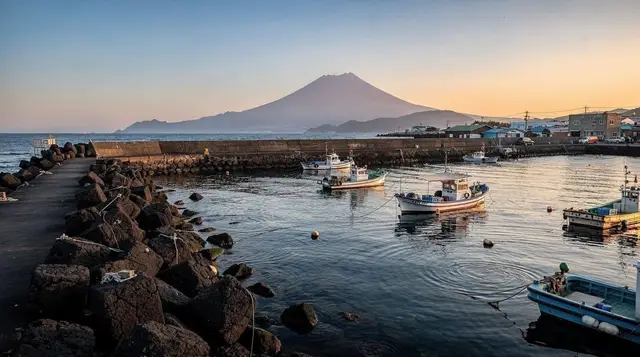
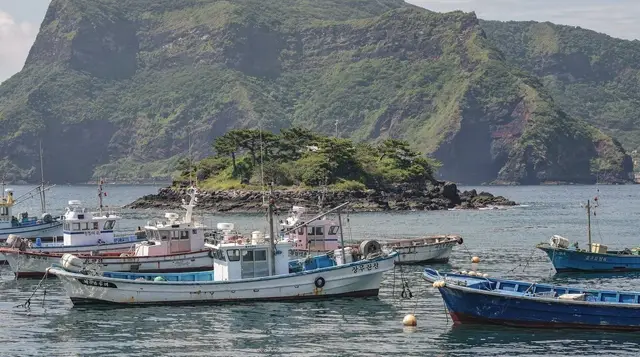
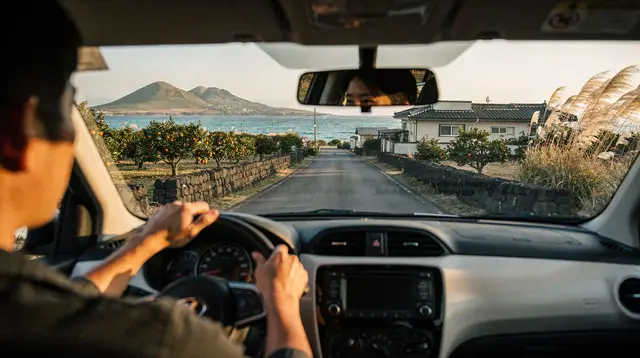
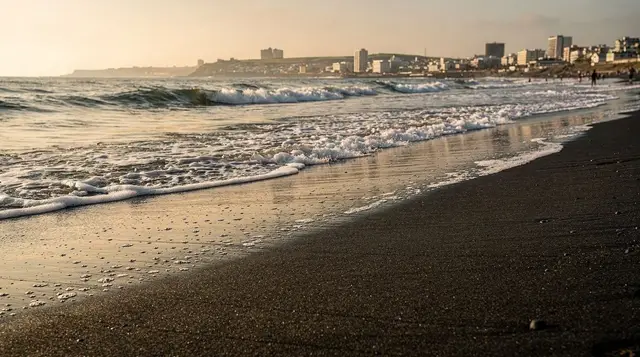
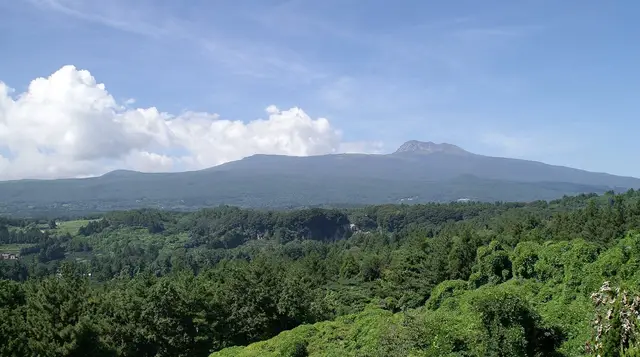

Jongdal-ri is one of the smallest, quietest villages along Jeju’s busy northeast coast, distinguished mainly by two things: it sits on one of the windiest stretches of the island’s shoreline, which explains the row of offshore wind turbines visible from its beach, and it holds a small, genuinely uncrowded beach that has become something of an open secret among visitors who’ve already done the Woljeongri and Gimnyeong circuit and want the same water without the same crowd.
| Where | Coastal road (1132), between Sehwa and Seongsan |
| Cost | Free — no entry fee for the beach or coastal walk |
| Time needed | 1-2 hours, a stop rather than a destination |
| Getting there | Car recommended; the turnoff is easy to miss |
| Best time | Any season for the turbines; summer for a quiet swim |
Jongdal’s wind farm coast
Jeju has invested heavily in offshore wind power, and the turbines visible from Jongdal’s coastline are among the most prominent on the island — a striking, slightly incongruous sight against the traditional fishing-village backdrop, and a genuinely interesting stop for anyone curious about the island’s renewable energy push. The consistent wind that makes this stretch good for turbines also makes it noticeably breezier than more sheltered parts of the coast, worth knowing if you’re planning a beach day here.
The beach
Jongdal’s beach shares the same turquoise-tinted water and pale sand found at the more famous beaches further along the coast, on a smaller, quieter scale. It draws a fraction of the visitors that Woljeongri or Gimnyeong see, even in peak summer, making it one of the better options on this stretch of coast for travelers who’ve had enough of parking-lot crowds and want a genuinely calm swim or walk.
The fishing village itself
Jongdal remains a small, working fishing community rather than a place built around tourism — modest houses, a small harbor, and daily life that continues regardless of the handful of visitors passing through for the beach or wind-farm view. It’s worth a slow walk if you want an honest sense of what an unglamorized coastal Jeju village actually looks like, distinct from the resort development or café-strip commercialization found elsewhere.
The sound and sight of the turbines up close
From the beach, the offshore turbines are close enough to make out individual blades turning, and on a very still day it’s possible to hear a faint mechanical hum carried across the water — a detail that surprises visitors expecting either total silence or the turbines to be too distant to notice at all. It’s worth spending a few minutes just watching them rotate; the scale is easy to underestimate from a distance until you clock how large a single blade actually is relative to a passing fishing boat.
Getting here
Jongdal is about 50-60 minutes by car from CJU airport, on the coastal road (1132) between Sehwa and Seongsan. Public buses run this stretch of coast, though at lower frequency than the busier towns closer to Jeju City — a car makes visiting Jongdal alongside neighboring stops considerably more practical, given how easy it is to simply drive past without noticing the turnoff.
A short walk beyond the beach
The residential lanes just behind Jongdal’s shoreline are worth a slow five-minute walk if you have time — small stone-walled gardens, modest houses, and the unhurried pace of a village that has changed very little despite sitting on one of Jeju’s busiest tourist corridors just a short drive in either direction.
Where to stay
Jongdal has essentially no dedicated tourist accommodation — this is a place to visit briefly rather than base yourself in. Seongsan or Woljeongri, both a short drive away, offer far more lodging options for anyone building Jongdal into a broader itinerary.
Food in Jongdal
Dining options are minimal — a handful of small local establishments serving basic Korean fare, with little in the way of tourist-oriented dining. This isn’t a place to plan a meal around; most visitors eat before or after their stop here.
Budget for a Jongdal stop
There’s no entry fee for the beach or the coastal walk. If you stop for food, expect ₩8,000-14,000 per person at one of the few local options. Jongdal is, practically speaking, a free stop on a coastal drive rather than a budgeted destination.
Why stop in Jongdal at all
The honest case for Jongdal is the same case for several of the smaller towns on this stretch of coast: if you’ve already experienced the marquee turquoise-water beaches at Woljeongri and Gimnyeong and want a quieter version of the same core appeal, without the crowds, Jongdal delivers it. It’s not a place with a specific must-see attraction — it’s a place to slow down.
Combining Jongdal with a coastal drive
Jongdal fits naturally into a longer drive along the northeast coast, between Sehwa’s market and beach and Seongsan’s Ilchulbong and Udo ferry. It’s a stop to build in flexibly rather than a fixed point on a rigid itinerary.
If you would rather not drive
Jongdal is easiest with your own wheels, but it does not have to be skipped if you are not renting a car. Our Jeju bus guide explains how the public network works along this coast, and Kakao T taxis can fill the gaps between bus stops. If you would rather have the logistics handled, a guided full-day tour of the east coast by bus covers the headline sights of the region, and a slower-paced eastern tour for leisurely walkers suits travelers who prefer fewer rushed stops. Ask your guide whether a short pause along the coastal road is possible, since small villages like Jongdal are rarely on a fixed schedule.
For a day built entirely around your own interests, a private one-day tour lets you ask for a quiet beach and wind-farm stop alongside the big names. Our private versus group day tours comparison helps you decide which format fits, and the east Jeju day tour guide shows what a typical route looks like. If you are still sketching the trip, the east Jeju itinerary and the Jeju road trip loop show where a stop like this slots in.
More to see nearby
Once you have had your fill of quiet, the surrounding coast offers plenty of contrast. Seongsan Ilchulbong sunrise peak is the region’s best-known landmark, while Udo Island is reached by ferry from the Seongsan side. For more of the same unhurried feel, Hado and Gujwa are worth a look, and Seongsan is the natural base. Beach lovers can compare options in the best beaches guide, and drivers will find useful advice in the road trip tips.
Seasonal notes
Jongdal’s wind is a near-constant feature of the area regardless of season, sharper and colder in winter. Summer brings the best swimming conditions at the quiet beach, with far less crowding than comparable beaches further up the coast even at peak season.
Jeju’s offshore wind investment
The turbines visible from Jongdal are part of a broader push by Jeju province to expand renewable energy generation, driven partly by the island’s historical dependence on undersea cables and shipped fuel for its power supply — a vulnerability that offshore wind, with the island’s consistently strong coastal winds, is well positioned to address. Jongdal’s stretch of coast was selected for exactly the wind conditions that make it a slightly less comfortable beach destination on a blustery day, an interesting example of the same natural feature being simultaneously a minor drawback for tourism and a genuine asset for infrastructure.
What makes a village like Jongdal easy to miss
Jongdal has no dedicated parking lot signage, no roadside attraction markers, and nothing resembling the developed infrastructure of its more famous neighbors — it’s genuinely possible to drive the coastal road past Jongdal without registering that you’ve passed anything worth stopping for. Finding it usually means specifically looking for the turnoff toward the beach access road, since the village itself sits slightly back from the main coastal highway.
A honest comparison to its neighbors
If you’re deciding whether Jongdal deserves a stop on an already packed east-coast itinerary, the honest answer depends on what you’re optimizing for. If you want the single best beach experience with amenities and services, Woljeongri or Gimnyeong deliver more reliably. If you specifically want to feel like you’ve found somewhere few other visitors bother with, Jongdal delivers that in a way the more developed towns simply can’t anymore.
Jongdal at different times of day
Early morning brings the calmest water and the fishing boats heading out, giving Jongdal a genuinely different character than the midday hours when the light flattens and any passing day-trip traffic peaks. If your schedule allows a flexible visit, either the early morning or the late-afternoon window rewards the stop more than a rushed midday pass-through would.
Jongdal for photographers
Late afternoon light catches the turbine blades and the water at an angle that makes for genuinely striking photos, especially with a wide lens taking in the row of turbines against the open sea. The beach’s pale sand and turquoise-tinted shallows photograph well against the darker basalt shoreline typical of this part of the coast, and because so few visitors stop here, it’s realistic to get a clean shot without other people’s umbrellas or towels in frame — a genuine rarity on Jeju’s more popular northeast coast beaches in peak summer.
Combining Jongdal with a bike or scooter ride
If you’ve rented an e-bike or scooter for the broader northeast coast, Jongdal fits naturally into a longer riding route along the coastal road (1132), between the more developed stops at Sehwa and Seongsan. The stretch immediately around Jongdal is flatter and quieter than sections closer to the busier beach towns, making it a genuinely pleasant few minutes of riding even without stopping, with the turbines visible out to sea for a good portion of the route.
How Jongdal fits a first-time versus repeat Jeju trip
For a first Jeju visit with limited time, Jongdal is a reasonable one to skip in favor of Woljeongri or Gimnyeong, which offer more amenities and a broader sense of what the northeast coast is known for. For a second or third trip, or for travelers who’ve already done the marquee beaches and specifically want a quieter, less programmed stop, Jongdal is a genuinely good use of an hour — it rewards familiarity with the area more than it works as an introduction to it.
Frequently asked questions about Jongdal
Is there a specific attraction in Jongdal worth stopping for?
The main draws are the offshore wind farm views and the quiet beach — worth a short stop rather than a dedicated trip.
How does Jongdal’s beach compare to Woljeongri or Gimnyeong?
Similar water quality on a smaller scale, with noticeably fewer visitors even in peak summer.
Is Jongdal windy year-round?
Yes, this stretch of coast is one of the windiest on the island, which is why it was chosen for offshore wind turbine development.
Do I need a car to visit Jongdal?
Recommended — bus service exists but at lower frequency than nearby towns, and it’s easy to miss the turnoff without knowing to look for it.
Is there anywhere to eat in Jongdal?
Very limited options — plan to eat in a nearby town like Seongsan or Woljeongri instead.
Is Jongdal worth visiting if I’m short on time?
Only if a quiet, uncrowded beach stop specifically appeals to you — otherwise, prioritize the more established attractions nearby.
What’s the best nearby base for visiting Jongdal?
Seongsan or Woljeongri, both a short drive away.
Why does Jeju have offshore wind turbines near Jongdal specifically?
This stretch of coast has some of the island’s most consistent wind, making it well suited to renewable energy generation as part of Jeju’s broader push to reduce reliance on shipped fuel and undersea power cables.
How do I actually find Jongdal if it’s easy to drive past?
Look specifically for the turnoff toward the beach access road off the main coastal highway (1132) between Sehwa and Seongsan — the village itself sits slightly back from the main road.


