
Sinchang
Sinchang's coast road, lined with wind turbines against open sea, is one of Jeju's most distinctive drives and a quiet sunset photography stop.
Quick facts
Top tours and experiences
We earn a small commission if you book through GetYourGuide — at no extra cost to you. Every tour is hand-picked and verified.
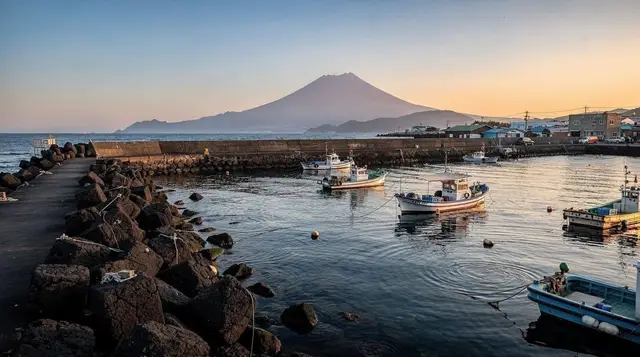
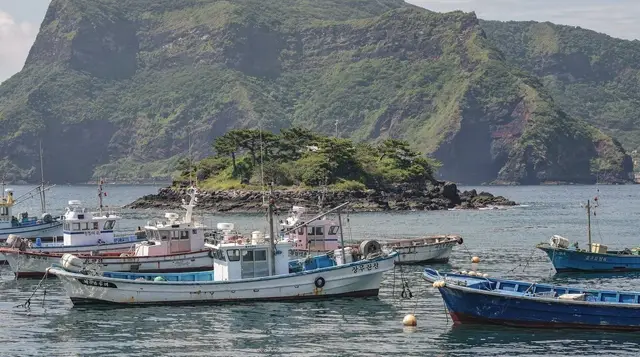
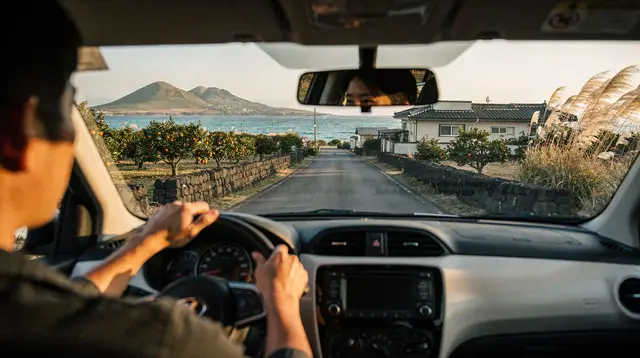
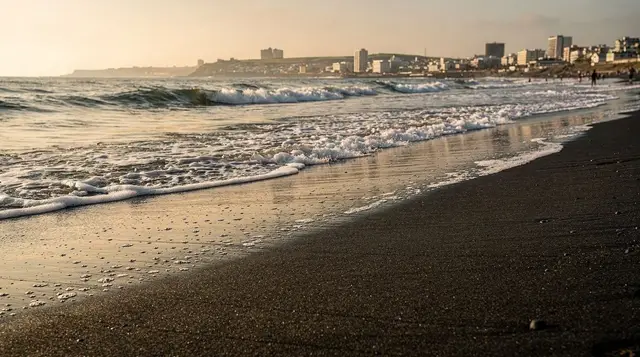
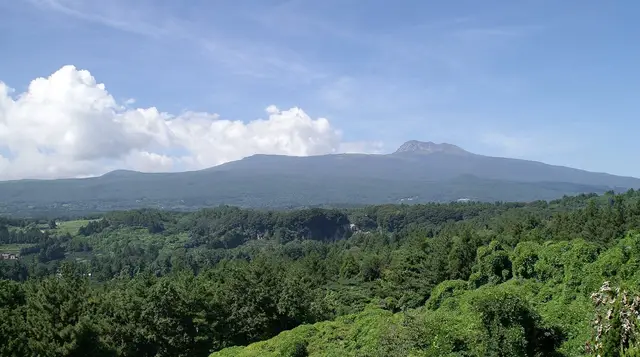

Sinchang is a small coastal village on Jeju’s northwest shore, and it’s known almost entirely for one thing: a straight stretch of coast road running directly toward a row of wind turbines standing in the shallow water just offshore, their blades turning against open sea and sky. It’s one of the more distinctive, least-crowded photo stops on the west coast, and a genuinely pleasant short break on a longer coastal drive.
| Where | Northwest coast, 40-45 min from CJU airport |
| Cost | Free; ₩5,000-8,000 for a café stop |
| Time needed | 15-30 minutes, up to an hour with the café |
| Getting there | Rental car recommended; bus service is infrequent |
| Best time | Sunset, any season |
The wind turbine coast road
The road itself runs flat and straight for a stretch, with the turbines positioned close enough to the shoreline that a wide-angle photo captures both the road disappearing toward the horizon and the turbines rotating just offshore — a combination that’s become a minor but real photography destination, especially at sunset when the turbines silhouette against color in the sky. It’s a free, unticketed stop; park along the road’s shoulder or in the small informal pull-offs and walk along the shore for the best angles. Unlike more heavily marketed photo spots elsewhere on the island, Sinchang rarely feels crowded even on weekends.
A small café built into the theme
A modest café near the coast road leans into the wind-and-turbine setting with large windows facing the water, a reasonable spot for a coffee break that doubles as a viewpoint if you’d rather sit than stand at the roadside for photos. It’s a low-key operation compared to the architecturally elaborate cafés of Aewol’s café coast, more in keeping with Sinchang’s overall quiet, unpolished character.
Getting here
Sinchang is about 40-45 minutes by car from CJU airport, similar to or slightly less than neighboring Hangyeong. Public bus service reaches the area but infrequently; a rental car is the practical way to visit, both for the drive time and because much of the appeal here is the driving experience itself along the coast road. From Hallim, expect roughly 10-15 minutes.
The village itself
Beyond the coast road, Sinchang is a small, quiet fishing and farming village with little dedicated tourist infrastructure — a scattering of houses, a small harbor, and agricultural land inland. This is genuinely one of the least-developed stretches of Jeju’s west coast for tourism, which is precisely why the wind turbine road stands out as a rare, low-key attraction rather than one node in a denser cluster of sights.
Combining Sinchang with a coastal drive
Sinchang works best as a short stop woven into a longer drive along Jeju’s northwest coast — pair it with a visit to Hangyeong’s Suwolbong Peak just south, or a fuller day covering Hallim’s park and dolphin boats to the north. It’s not worth a dedicated trip on its own, but as a five-to-ten-minute detour off the coast road, it’s an easy, rewarding addition to a west-Jeju itinerary.
Where to stay
Sinchang has essentially no dedicated tourist accommodation — visitors overnight in Hallim or elsewhere along the coast and pass through Sinchang as a photo stop rather than a base.
Budget for a Sinchang stop
There’s no cost to visit the coast road or take photos of the turbines. A coffee at the small café along the road runs ₩5,000-8,000, on the lower end for Jeju café pricing given the village’s unpretentious, non-touristy character. A brief stop with a coffee comes to roughly ₩5,000-10,000 (about US$4-7) — one of the cheapest stops on the island, simply because there’s little to spend money on here beyond a drink.
Seasonal notes
The wind turbine coast road works in any season — the turbines turn year-round, and the composition holds up whether the sky is clear or dramatically overcast. Sunset light is the most flattering time to visit regardless of season, though winter wind along this exposed stretch can make standing outside for photos genuinely uncomfortable; a warm layer is worth having even on an otherwise mild day.
Why wind turbines line this stretch of coast
Jeju has invested heavily in wind power over the past two decades, and the island’s consistently strong coastal winds — the same winds that make photography here occasionally uncomfortable — are precisely what make this stretch of coast suitable for turbine placement. Sinchang’s cluster is one of several offshore and near-shore wind installations around the island, part of a broader push toward renewable energy self-sufficiency that’s easy to miss as a visitor focused purely on the photogenic result. It’s a rare case where a piece of energy infrastructure has become an accidental tourist draw rather than something visitors overlook or actively avoid.
Photography technique for the coast road shot
The classic Sinchang photograph uses the straight road as a leading line toward the turbines, typically shot from a low angle at the road’s edge to emphasize the sense of scale and distance. A wide-angle lens captures more of the sky and turbine spread, while a longer lens compresses the scene and makes the turbines feel closer together — both approaches work, and it’s worth trying both if you have the equipment and time. Avoid shooting during the harshest midday light, when the flat overhead sun drains contrast from the scene; even an overcast day here can produce more dramatic results than a clear midday sky.
The wider Sinchang village
Away from the coast road, Sinchang remains a small agricultural and fishing settlement with little changed by the modest tourist attention the turbines have brought. A short walk through the village itself, away from the main photo stop, gives a sense of ordinary rural Jeju life that contrasts sharply with the more developed tourism infrastructure elsewhere on the coast — worth doing if you have a spare 20-30 minutes and want more than just the photo stop.
A stop on a longer northwest coast drive
Sinchang works most naturally as one stop among several on a drive covering the full stretch from Aewol through Hallim, Hyeopjae, and Hangyeong, rather than a destination that justifies its own dedicated outing. Slotting a 15-30 minute stop here into a fuller day of west-coast sightseeing captures the best of what Sinchang offers without over-allocating time to a single photo opportunity.
Comparing Sinchang to Jeju’s other scenic drives
Jeju has several other notable coastal drives, from the café-lined stretch through Aewol to the more dramatic cliff-hugging roads near Songak in the southwest — Sinchang’s distinction is its stark simplicity: a straight road, open sea, and turbines, without the commercial development of the café coast or the historical weight of the southwest’s wartime sites. It’s the most minimalist of Jeju’s well-known drives, and that minimalism is exactly what makes it visually striking in photographs.
Combining with a Hangyeong detour
Since Sinchang and Hangyeong sit only minutes apart, most visitors treat the two as a single combined stop rather than separate detours — Suwolbong’s sunset climb pairs naturally with a brief pass along Sinchang’s coast road either just before or just after, making efficient use of a short stretch of otherwise quiet coastline.
A note on respectful photography
Because part of Sinchang’s charm is its quiet, lived-in character, it’s worth being mindful when photographing near residents’ homes or working areas of the small harbor — the coast road and shoreline itself are the intended photo subjects, and a bit of discretion around the village’s private spaces keeps the experience pleasant for the small number of people who actually live here.
Weather considerations beyond wind
Because Sinchang’s whole appeal is an open, exposed shoreline, weather affects the experience here more directly than at attractions with indoor components or sheltered settings. Fog, common on certain mornings along this coast, can obscure the turbines entirely, turning a planned photo stop into a wasted detour — checking current visibility conditions, not just the general forecast, is worth doing if the wind turbine shot specifically is your goal for the day. Clear, dry days with some cloud texture in the sky (rather than a featureless blue) tend to produce the most dramatic results.
Visiting outside peak hours
Because Sinchang draws a modest but real stream of photographers and casual visitors, arriving outside the golden-hour rush (if you don’t specifically need the sunset light) gives a calmer, less-shared experience of the road and shoreline. Midday visits trade the best light for essentially having the place to yourself, a reasonable trade if photography isn’t your primary goal and you’d rather just experience the setting quietly.
Why this spot became popular online
Sinchang’s rise as a photography destination owes much to social media, where the striking, almost graphic simplicity of the road-turbines composition photographs unusually well compared to more cluttered or crowded scenic spots — a single clean shot tends to perform better on image-driven platforms than a busy landscape with many competing elements. This is worth knowing both because it explains why a relatively obscure fishing village became a minor tourist stop, and because it sets honest expectations: the appeal here is almost entirely visual and photographic rather than experiential in the way a hike or a museum visit would be.
Nearby stops for a fuller visit
A short drive from the main turbine stretch, smaller coves and rocky shoreline sections offer additional quiet spots to explore on foot, away from the small cluster of visitors that gathers at the most-photographed turbine viewpoint. These areas have no specific names or dedicated infrastructure — part of Sinchang’s appeal is this kind of unstructured, exploratory quality rather than a series of marked, ticketed stops.
Building Sinchang into a full west-coast day
On its own, Sinchang is a short stop, but it fits naturally into a broader northwest-coast plan. Travelers who prefer not to self-drive the full stretch can book a structured option covering the region:
Jeju: West & South Full-Day Authentic TourFor a self-driving version, the west Jeju day tour guide lays out a workable route through the region’s stops, and the driving Jeju road trip tips guide covers practicalities like fuel stops and rural road etiquette that matter more out here than on the busier east coast. If renting a car for the first time on the island, the car rental with IDP guide and car rental pitfalls guide are worth reading before you book, since the west coast’s minimal public transit makes a car close to essential for a stop like Sinchang.
Timing the stop around sunset and a guided option
Because the turbines look best against sunset color, the most satisfying way to use Sinchang is to arrange your west-coast day so you arrive in the last stretch of daylight. If you would rather not plan that timing yourself, a west Jeju day tour built around sunset views handles the driving and the schedule, and check the itinerary to see whether the coast near Sinchang is on the route. Travelers who want full control over where to pause can instead book a customized private day tour by van and ask for an unhurried stop at the turbine road. The private vs group day tours guide and the best day tours in Jeju guide help you decide between the two styles.
Planning the light and the weather
For photographers, the Jeju sunrise and sunset photography guide and the photography spots guide give context on how Sinchang compares with the island’s other viewpoints. The best sunrise spots blog post and the top 10 photo spots post are useful if you are building a whole photo-focused trip. Since this shoreline is so exposed, the Jeju weather by month post and the typhoon season guide are worth a look before you commit a day to it.
Neighbors worth pairing with Sinchang
On the same stretch of coast, Hyeopjae beach and Gwakji beach offer a very different, sandy kind of seaside stop, while the Jeju cafés in Aewol guide covers the more elaborate café scene to the north. For a full route that strings these together, the west Jeju itinerary is the natural companion, and the nearby villages of Gwakji and Hyeopjae are easy to fold into the same afternoon.
Sinchang for a broader Jeju itinerary
Travelers building a first-time trip around the island often wonder how much time a stop like Sinchang deserves. The honest answer is very little on its own — see the first-time Jeju planning guide and how many days in Jeju for how a niche photo stop like this fits into a wider west-coast day rather than anchoring one.
Frequently asked questions about Sinchang
Is there an entry fee for the wind turbine coast road?
No, it’s a free public road and shoreline — just park along the shoulder or in the informal pull-offs.
What’s the best time of day for photos here?
Sunset, when the turbines silhouette against color in the sky, though the composition works reasonably well at any time of day with clear visibility.
Is Sinchang worth visiting on its own?
Not as a standalone destination — it’s best treated as a short, worthwhile detour along a longer coastal drive between Hallim and Hangyeong.
Are there restaurants in Sinchang?
Very few — this is one of the least tourist-developed villages on the west coast; plan to eat in nearby Hallim or Hangyeong instead.
Do I need a car to see the wind turbine coast road?
Yes, essentially — bus service is minimal, and the drive itself along the road is part of the experience.
How long should I plan to stop here?
15-30 minutes is enough for photos and a short walk along the shore; longer if you stop for coffee at the café facing the water.
Can I fly a drone at Sinchang’s coast road?
Drone regulations around Jeju’s coastline and near infrastructure like wind turbines can be restrictive — check current Korean drone rules and any local restrictions before flying, since operating near energy infrastructure without clearance can carry real penalties.
Is Sinchang accessible by public bus?
Bus service exists but is infrequent on this stretch of coast; most visitors reach Sinchang by rental car as part of a broader northwest coast drive rather than by bus specifically.
What’s the closest town to Sinchang for a meal?
Hallim or Hangyeong, both a short drive away, offer more restaurant options than Sinchang’s own limited village facilities.
Is there a guided tour that includes Sinchang?
Not as a dedicated stop, but full-day west and south Jeju tours covering the northwest coast may pass near it; check the specific itinerary if the turbine road matters to you.
What should I pair Sinchang with if I only have one west-coast day?
Hallim Park to the north or Hangyeong’s Suwolbong Peak just south make natural pairings, both close enough to combine with Sinchang’s coast road in a single half-day loop.


