
Gimnyeong
Gimnyeong pairs one of Jeju's clearest turquoise beaches with a quirky maze park, and sits minutes from the Manjanggul lava tube entrance.
Quick facts
Top tours and experiences
We earn a small commission if you book through GetYourGuide — at no extra cost to you. Every tour is hand-picked and verified.
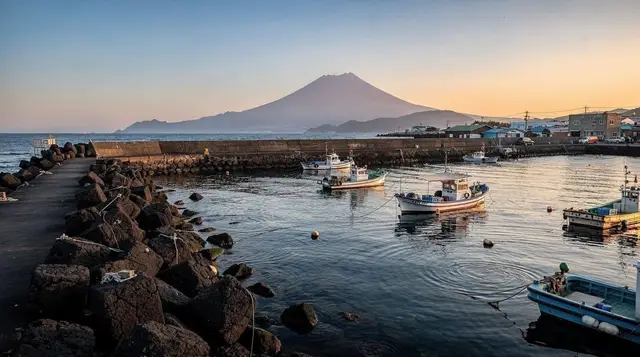
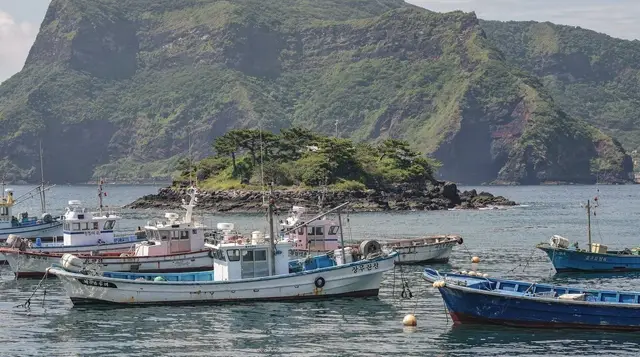
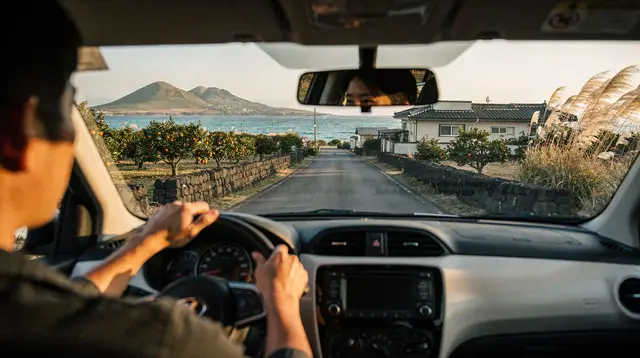
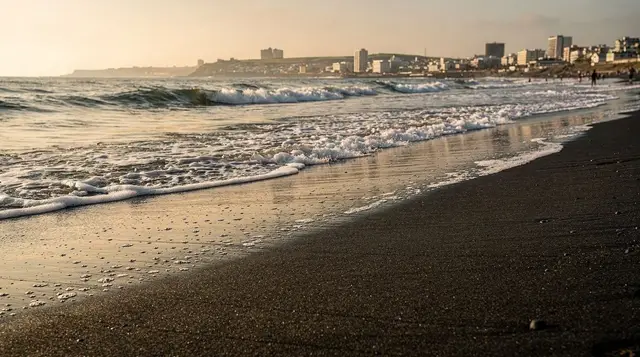
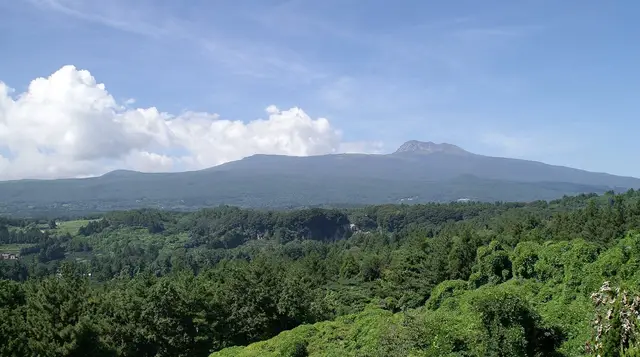

Gimnyeong sits on Jeju’s northeast coast, best known for a beach whose water color routinely surprises first-time visitors — a genuinely striking turquoise-to-deep-blue gradient over pale sand, close enough in appearance to a tropical beach that photos from here regularly circulate without much context about which country they’re from. It’s also a practical staging point for Manjanggul, the country’s longest lava tube, which sits just inland.
| Where | Gimnyeong-ri, Jeju’s northeast coast |
| Cost | Beach free; Maze Park ~₩3,300; Manjanggul ~₩4,000 |
| Time needed | Half a day, more with Manjanggul |
| Getting there | 40-50 min by car from CJU on the coastal road (1132) |
| Best time | Summer for swimming; year-round for the beach walk |
Gimnyeong Beach
The beach itself is a crescent of fine white sand backed by low dunes, with shallow water extending a good distance from shore before dropping off — genuinely good for families and casual swimmers, and a clear rival to the better-known Woljeongri Beach just up the coast, minus the density of cafés and crowds that Woljeongri has accumulated. The water’s color comes from a mix of fine white sand and clear water reflecting the sky, most vivid on sunny days with the sun relatively high. Summer brings a proper swimming season with informal lifeguard presence at busier stretches; outside summer, the beach is still a pleasant walk, just too cold for most people to swim.
Gimnyeong Maze Park
A short walk from the beach, Gimnyeong Maze Park is a low-key attraction built from dense hedges into a walkable labyrinth — a genuinely fun, if slightly kitsch, stop for families with kids, with a small entry fee (typically around ₩3,300) and a viewing tower that lets you see the maze’s full pattern once you’ve found (or given up on) the exit on your own.
Manjanggul lava tube access
Manjanggul, the longest lava tube in the country at over 7 kilometers total (with roughly 1 kilometer open to visitors), sits a short drive inland from Gimnyeong, and the town functions as one of the main practical bases for visiting it. The cave holds a constant temperature of roughly 11-21°C year-round, a useful counter to Jeju’s summer heat or a jacket-worthy stop in winter regardless of the season outside. Entry runs around ₩4,000. The Manjanggul Lava Tube guide covers hours, parking, and what to expect inside in more detail, and Jeju’s Lava Tubes, Explained gives the broader volcanic context for why this stretch of coast has such an extensive underground tube system.
Sunset and evening at Gimnyeong
Unlike beaches oriented more toward sunrise (facing east, like Gwangchigi near Seongsan), Gimnyeong’s north-facing orientation makes it a reasonable spot for an evening walk even outside of a formal sunset viewing, with the crowds noticeably thinner in the late afternoon than at midday. It’s a good option if you’re staying nearby and want a relaxed end to the day without driving somewhere else specifically for the view.
Rainy-day alternatives nearby
If weather rules out a beach day, Manjanggul’s cave interior offers a reliable, weather-independent alternative just a short drive inland, and Gimnyeong Maze Park’s hedges provide enough cover for a light drizzle, if not a full downpour. Neither is a perfect substitute for a beach day, but both keep a Gimnyeong-area visit worthwhile even when the forecast doesn’t cooperate.
Getting here
Gimnyeong is about 40-50 minutes by car from CJU airport, one of the more accessible east-coast towns given its position on the more direct northern coastal route (1132). It sits between Seongsan to the southeast and Woljeongri and Sehwa continuing northeast along the coast, making it a natural first or last stop on a coastal drive through the region. Public buses run along this coastal route from Jeju City with reasonable frequency, making Gimnyeong more accessible without a car than the more distant east-coast towns near Seongsan.
Combining Gimnyeong with Udo and Seongsan
Gimnyeong sits close enough to both Seongsan and the Udo ferry terminal that visitors basing here sometimes fold both into a single day alongside their beach time. Jeju: Udo Island E-Bike, Seongsan Ilchulbong & Speed Boat packages all three — the sunrise peak, an e-bike loop of Udo, and a speedboat crossing — into one organized day, a practical option if you’d rather not coordinate the ferry timing and transfers yourself.
Comparing the northeast coast’s beaches
Gimnyeong is one of several similar-looking beaches strung along this stretch of coast, each with a slightly different character despite the shared turquoise water: Woljeongri up the coast has the densest café scene and the biggest crowds, Sehwa trades beach appeal for a genuine local market, and Jongdal further along offers a quieter, smaller-scale version of the same water. Gimnyeong sits comfortably in the middle — developed enough for convenience, quiet enough to still feel relaxed.
Where to stay
Gimnyeong has a growing number of guesthouses and small boutique stays, many built to take advantage of the beach’s popularity, running roughly ₩70,000-140,000/night — generally cheaper than the more developed café-and-guesthouse scene at Woljeongri further up the coast, while offering a comparable beach.
Beach etiquette and facilities
Gimnyeong has basic public restrooms and outdoor shower facilities near the main access points, less elaborate than the resort-style facilities at Jungmun but sufficient for a day trip. As with most Jeju beaches, pack out any trash you bring in — municipal bins exist but fill quickly during peak summer weekends.
Food in Gimnyeong
The beach area has a mix of casual cafés and simple seafood restaurants, priced ₩10,000-20,000 per person, with fewer of the elaborate design-forward cafés found at Woljeongri or Hamdeok, keeping the overall feel more relaxed and less curated.
Budget for a Gimnyeong day
Gimnyeong Beach is free. Maze Park entry runs around ₩3,300. Manjanggul entry runs around ₩4,000 if you add the cave to the day. A meal runs ₩10,000-20,000 per person. A day covering the beach, maze park, and a light meal comes to roughly ₩15,000-30,000 (about US$11-22) per person, more if adding Manjanggul.
Combining Gimnyeong with a coastal day
Gimnyeong pairs naturally with a beach-hopping day along the northeast coast — Woljeongri just up the coast for a busier café scene, or Sehwa and Jongdal further along for quieter alternatives. It also works as a practical morning stop before an afternoon at Seongsan’s Ilchulbong or a Udo ferry crossing.
Why choose Gimnyeong over Woljeongri
Both beaches offer similar turquoise water and white sand, but Woljeongri has developed a much denser café strip and correspondingly heavier crowds, especially on weekends. Gimnyeong offers a comparable swimming and photo experience with noticeably fewer people and lower prices — a reasonable choice if the specific café-culture atmosphere of Woljeongri isn’t the priority.
Seasonal notes
Summer (June-August) is peak swimming season, with the clearest, most vividly colored water on sunny days. Outside summer, the beach is still worth a walk, and Manjanggul’s constant cave temperature makes it a reliable year-round stop regardless of the coastal weather.
The Gimnyeongsaguul connection
Gimnyeong sits within the same broader lava tube system that produced Manjanggul, part of a network of caves running beneath this stretch of the island formed by the same ancient lava flows. A separate, smaller cave known locally in the area (Gimnyeongsaguul) has historically been part of this system, though public access has varied over time — the Manjanggul entrance further inland remains the reliable, consistently open way to experience this underground network firsthand.
Sand quality and comfort
Gimnyeong’s sand is notably fine and pale, comfortable to walk on barefoot even in the heat of a summer afternoon, unlike some of Jeju’s coarser volcanic-sand beaches elsewhere on the island. It’s a small detail, but one that adds up over a full beach day, particularly with children who’ll be barefoot on the sand for hours.
A practical stop between Jeju City and Seongsan
Given its position roughly midway along the northern coastal route, Gimnyeong works well as a rest stop on the longer drive between Jeju City and Seongsan, breaking up what would otherwise be a straight hour-plus drive with a genuine reason to get out of the car.
Water activities beyond swimming
Gimnyeong’s shallow, gently sloping water makes it reasonable for basic snorkeling on calm days, though visibility and marine life don’t rival Jeju’s dedicated diving spots further south — it’s more about the color and clarity of the water itself than anything to see underwater. Some visitors bring a paddleboard or inflatable kayak, both manageable given the beach’s usually mild conditions, though always check for posted flag warnings before entering the water outside the official summer swimming season.
Visiting Manjanggul without driving
If you would rather not handle parking and the drive inland yourself, a private transfer that includes the cave ticket takes the logistics off your plate and pairs easily with a morning on the beach. For a wider look at the cave, the Manjanggul guide and the lava tubes blog post explain what to expect underground, and the Sangumburi crater guide is a natural companion stop in the same part of the island.
Shaping a relaxed day around the beach
The simplest way to enjoy Gimnyeong is to let the beach set the pace. Arrive when the light is good, walk the length of the crescent before settling in, and keep the maze park for a moment when the children need a change of scene. Bring water, a hat, and something to sit on, then decide whether the afternoon belongs to the cave or to more sand. Travelers building a longer trip around this coast can slot the town into the east Jeju itinerary or the east Jeju day tour guide, both of which treat it as an easy, unhurried stop rather than a place that needs a full schedule.
Pairing the town with other east-coast stops
Because the coast road links so many worthwhile places, Gimnyeong rewards a loose plan. Seongsan Ilchulbong and the wider east Jeju region are close enough for a flexible day, while Seopjikoji and Hamdeok offer different scenery if you want variety. Anyone sorting out how long to spend on the island overall will find the how many days in Jeju guide useful, and Jeju’s best beaches puts Gimnyeong next to the alternatives so you can judge it fairly. If you plan to drive, the driving tips cover what first-time visitors tend to overlook on island roads.
Frequently asked questions about Gimnyeong
How does Gimnyeong Beach compare to Woljeongri?
Similar turquoise water and white sand, but with fewer crowds and cafés — a quieter alternative for the same general experience.
Is Gimnyeong Beach good for children?
Yes, the shallow water extending well out from shore makes it one of the more family-friendly beaches on this stretch of coast.
How far is Manjanggul from Gimnyeong?
A short drive inland, typically 10-15 minutes depending on the exact route and parking area used.
Is Gimnyeong Maze Park worth the entry fee?
It’s a modest, fun stop for families with kids rather than a must-see for all visitors — reasonable if you’re already in the area with time to spare.
Do I need a car to visit Gimnyeong?
Not strictly — public buses run this coastal route with reasonable frequency from Jeju City, though a car makes combining Gimnyeong with Manjanggul and nearby beach towns easier.
What’s the water temperature like for summer swimming?
Warm enough for comfortable swimming from roughly June through September, cooling quickly outside that window.
Is there parking at Gimnyeong Beach?
Yes, informal and formal parking areas exist near the main beach access points, though they can fill on busy summer weekends.
Is Gimnyeong connected to the Manjanggul cave system?
Yes, it sits within the same broader lava tube network, though the Manjanggul entrance further inland is the reliable, consistently accessible way to visit the caves.
Is Gimnyeong a good stop if I’m driving between Jeju City and Seongsan?
Yes — its position roughly midway along the northern coastal route makes it a natural break in a longer drive between the two.


