
Hyeopjae
Hyeopjae is one of Jeju's most photographed beaches — pale sand, shallow turquoise water, and a view of Biyangdo island offshore.
Quick facts
Top tours and experiences
We earn a small commission if you book through GetYourGuide — at no extra cost to you. Every tour is hand-picked and verified.
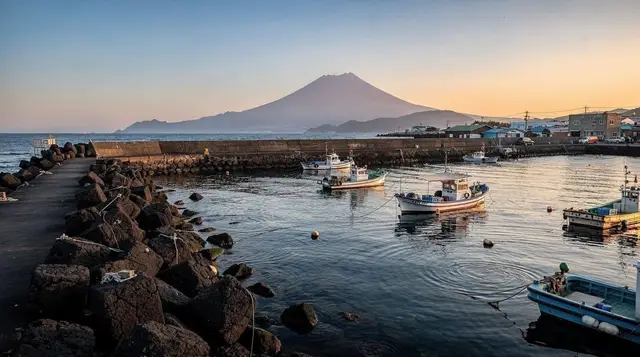
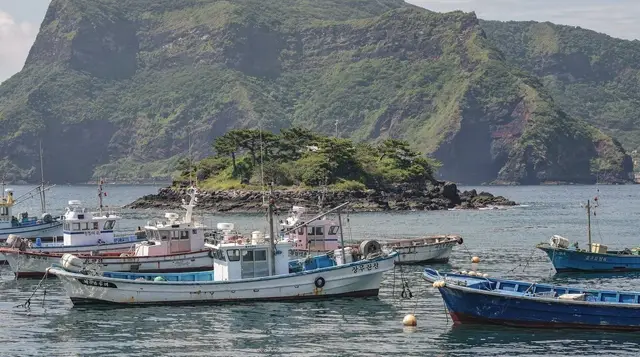
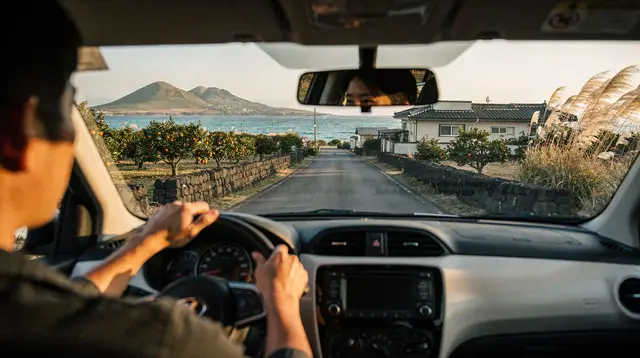
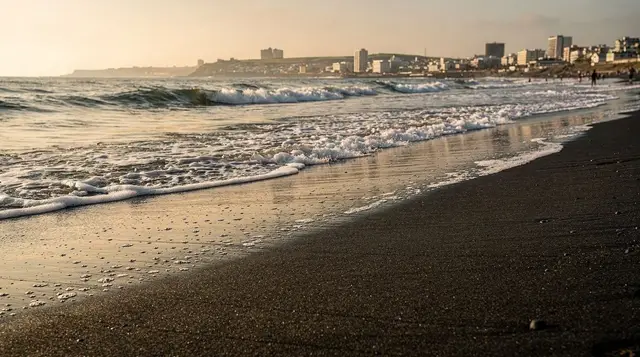

Hyeopjae Beach, on Jeju’s northwest coast just south of Hallim, is one of the island’s most consistently photographed stretches of sand — a pale, fine beach backed by a pine grove, facing shallow, unusually clear turquoise water, with the small offshore island of Biyangdo sitting directly in the view. It’s smaller and less developed than the resort beaches around Seogwipo, and that relative simplicity is a large part of its appeal.
| Where | Northwest coast, just south of Hallim |
| Cost | Free; lunch ₩10,000-18,000/person |
| Time needed | Half a day; more if camping overnight |
| Getting there | 35-40 min drive from CJU airport |
| Best time | June-August for swimming; any season for the view |
The beach itself
Hyeopjae’s sand is genuinely pale, closer to white than the tan or grey tones of many Jeju beaches, and the water stays shallow for a long stretch out from shore — a practical advantage for anyone swimming with children, since you can wade a considerable distance before the seabed drops off. The beach faces almost due west, which makes it a strong sunset spot as well as a daytime swimming beach; golden hour here, with Biyangdo silhouetted offshore, is one of the more reliable sunset views on this stretch of coast without needing a dedicated viewpoint.
Biyangdo Island
The uninhabited-looking island visible offshore is Biyangdo, home to a small fishing community and reachable by a separate short ferry from Hallim’s harbor (not from Hyeopjae itself). Most visitors treat it purely as a scenic backdrop to Hyeopjae rather than a destination to visit separately — it has minimal tourist infrastructure and the crossing adds a layer of logistics most beach-day itineraries don’t need. If island-hopping is specifically your interest, the Udo, Gapado, and Marado islets have far more developed visitor facilities.
Official swimming season and lifeguards
Like most Jeju beaches, Hyeopjae has an official swimming season, typically running from early July through mid-August, when lifeguards are posted and swimming is actively encouraged. Outside this window, the beach is still open for walking and photography, and wading is generally fine on calm days, but there’s no lifeguard supervision — treat any swimming outside the official season as at your own risk, particularly given how quickly conditions can shift on an exposed west-facing coast.
Camping
A pine grove behind the beach hosts a popular, informal camping area in summer, drawing both Korean domestic campers and international visitors who want to wake up steps from the sand. It gets genuinely crowded on summer weekends — arrive early to claim a shaded spot, and expect a lively, communal atmosphere rather than a quiet wilderness camp. Facilities are basic (public restrooms, some cold-water rinse stations); this isn’t a serviced campground, so come prepared with your own gear.
Getting here
Hyeopjae is about 35-40 minutes by car from CJU airport, roughly 5-10 minutes past Hallim along the coastal road. Public buses reach this stretch of coast from Jeju City, but with limited frequency; a rental car or taxi is the more practical choice, especially if you’re carrying beach or camping gear. From west Jeju’s southern towns near Sanbangsan, expect roughly 25-35 minutes heading north.
Food and facilities
A cluster of casual restaurants and cafés lines the road just behind the beach, serving simple Korean beach-town fare — grilled fish, noodles, shaved ice in summer — at prices somewhat below the tourist-heavy strips around bigger resort areas. Public restrooms and outdoor showers are available near the main beach access point, though they can be stretched thin on the busiest summer days.
Combining Hyeopjae with nearby stops
Hallim Park and its dolphin-watching boats sit just minutes north, making a natural half-day pairing: park and caves in the morning, beach in the afternoon once the sun is high. Gwakji Beach, quieter and known for its cold natural spring, is a short drive south if Hyeopjae feels too crowded on a given day. See the west Jeju region guide for how these stops fit into a broader multi-day plan along the coast.
Where to stay
A handful of pensions and small guesthouses sit within walking distance of the beach, generally priced ₩60,000-120,000/night — a reasonable base if a beach-focused stay matters more to your trip than café culture or nightlife. Most are simple, family-run properties rather than resort-style hotels; book ahead for July-August weekends when both the beach and its accommodation fill up.
Budget for a Hyeopjae beach day
There’s no entry fee to the beach itself. A simple lunch at one of the roadside restaurants runs ₩10,000-18,000 per person, and shaved ice or a cold drink in summer adds a few thousand won more. Parking near the main access points is generally low-cost or free, though it fills quickly on peak summer days. A relaxed beach day with lunch comes to roughly ₩15,000-25,000 (about US$11-19) per person.
Seasonal notes
Summer (July-August) is peak season for swimming, crowds, and camping, with lifeguards on duty during the official swimming window. Spring and autumn bring far fewer people and pleasant walking weather, though the water is too cold for most swimmers outside summer. Winter is quiet and often windy, better suited to a brisk coastal walk and sunset photography than a beach day.
Why Hyeopjae’s sand looks different
Much of Jeju’s coastline is dominated by dark, basalt-derived sand and rock, a direct legacy of the island’s volcanic origins — which makes Hyeopjae’s noticeably pale, fine sand something of an exception. The lighter color comes from a higher proportion of shell and coral fragments mixed into the sand here, ground down over long periods by wave action along this particular stretch of coast. It’s the same broad category of sand found at Udo Island’s beaches further east, though Hyeopjae’s version is more accessible for a day trip since it doesn’t require a ferry crossing.
A full-day plan combining Hyeopjae with the wider coast
For visitors with a full day rather than just an afternoon, a reasonable sequence starts at Hallim Park in the morning while the caves are cool and uncrowded, continues to Hyeopjae for a midday swim and lunch once the sun is high, and finishes with sunset back at the beach as the light turns gold over Biyangdo. This makes efficient use of the short distances between Hallim, Hyeopjae, and Gwakji, all clustered within about 15 minutes of each other by car.
Photography at Hyeopjae
Beyond the classic sunset-over-Biyangdo shot, Hyeopjae rewards a slower look: the pine grove behind the beach offers a framing element for wider shots, and low tide exposes rock formations at the beach’s edges worth exploring for closer compositions. Midday sun is harsh and washes out the water’s color in photos; the golden hour before sunset consistently produces the most saturated turquoise-to-orange color range visitors associate with this beach.
Renting gear locally
A handful of shops near the beach access point rent basic beach gear — umbrellas, mats, occasionally snorkeling equipment — at reasonable daily rates, useful if you’re traveling light and didn’t bring your own equipment. Availability tightens on the busiest summer weekends, so arriving earlier in the day improves your odds of renting what you want.
Accessibility notes
The main beach access points at Hyeopjae have paved or hard-packed paths leading down to the sand, more accessible than some of Jeju’s rockier coves, though the sand itself is naturally soft underfoot once you’re past the entry points — worth knowing if mobility is a consideration for anyone in your group.
The pine grove and its role
The pine trees planted behind Hyeopjae’s beach serve a practical purpose beyond shade and camping shelter: they act as a windbreak, reducing sand drift onto the road and softening the wind that otherwise blows unimpeded off the open sea. This kind of coastal windbreak planting is common across Jeju’s western beaches, a low-tech but effective piece of infrastructure that also happens to make the beach considerably more pleasant to sit at for extended periods, particularly outside the calmest summer days.
Comparing Hyeopjae to Jeju’s other major beaches
Against Jeju’s other well-known beaches — Jungmun’s resort-backed sand in the south, Hamdeok’s café-lined stretch on the north coast — Hyeopjae stands out for its combination of genuinely pale sand and a scenic offshore focal point in Biyangdo, without the resort-hotel backdrop of Jungmun or the density of cafés at Hamdeok. It’s more developed than the quieter Gwakji next door but noticeably less commercial than the beaches directly serving Seogwipo’s resort zone.
Weekday versus weekend timing
Hyeopjae’s popularity as one of Jeju’s most photographed beaches means the difference between a weekday and a weekend visit is significant, especially through July and August. A weekday morning can feel close to empty by 9 or 10am, with plenty of space along the sand and no wait for parking; the same stretch by Saturday afternoon fills with domestic tourists, photographers chasing the Biyangdo backdrop, and campers setting up in the pine grove. If your schedule allows any flexibility, shifting a Hyeopjae visit to a weekday, or to the first couple of hours after sunrise on a weekend, makes a genuine difference to the experience without changing anything else about the trip.
Tide and wind conditions
Unlike the tidal-dependent sites further south (Yongmeori Coast’s cliff path, for instance), Hyeopjae’s swimming area is usable across most tide levels, since the beach slopes gently rather than depending on a specific tidal window to be accessible. Wind is the more relevant variable here — an exposed west-facing beach picks up any onshore breeze noticeably, which can make an otherwise sunny day feel cooler than expected and occasionally kicks up enough chop to affect swimming comfort, worth checking the forecast for if calm water specifically matters to your plans.
Nightlife and evening options
Hyeopjae itself is not a nightlife destination — most of the restaurants and cafés along the beach road wind down by early evening outside peak summer season, and the appeal after dark is limited to a quiet beach walk under stars away from Jeju City’s light pollution. Visitors wanting evening entertainment typically base themselves elsewhere and treat Hyeopjae as a daytime destination.
Transport connections beyond the coast road
Beyond the coastal route through Hallim, a secondary inland road connects Hyeopjae toward Jeju City through the island’s agricultural interior — slower than the coast road but occasionally useful to avoid weekend coastal traffic congestion near the busier beach towns. Most visitors, however, stick to the coast road for its scenery even if it means slightly heavier traffic on peak days.
Hyeopjae versus Jeju’s other major beaches
| Hyeopjae | Gwakji | Jungmun | Hamdeok | |
|---|---|---|---|---|
| Sand | Pale, fine | Pale, spring-fed cold water | Resort-backed | Mixed white/dark |
| Crowd level | Busy summer weekends | Quieter | Busiest (resort strip) | Moderate |
| Camping | Yes, pine-grove area | No | No | No |
| Signature feature | Biyangdo island view | Cold natural spring | Resort infrastructure | Turquoise shallows |
For the full rundown of Jeju’s beach options, see the best beaches guide.
Planning the trip around the beach
Hyeopjae works best as one stop in a wider west-coast plan rather than a stand-alone outing. The west Jeju day tour guide and the west Jeju itinerary show how the beach slots in between the park, the cafés and the sunset viewpoints, and the dedicated Hyeopjae Beach guide goes deeper on the sand itself. If you are still deciding how long to give the island overall, the how many days in Jeju page helps you work out whether a full west-coast day is affordable in your schedule.
Getting around without a car
If you would rather not drive, there are a few workable options. The Jeju bus guide explains how the public network behaves on this side of the island, and the Kakao T taxi guide covers the app that makes hailing a ride from the beach far easier than flagging one down. For arrivals, the airport transfers guide lays out the options from CJU, and a private airport transfer across the island is a comfortable way to reach the coast with luggage or beach gear. Drivers should read the car rental and IDP guide and the driving road trip tips before collecting keys.
Seeing the west coast with a guide
Some travellers prefer to leave the driving and the sequencing to someone else. A western and southern sightseeing day tour covers several coastal highlights in one go, while a full-day private guided car tour lets you linger at the beach for as long as the light and the company suit you. If you are weighing the two formats, the private versus group day tours comparison and the best day tours roundup explain the trade-offs honestly.
Nearby places worth adding
The coast around Hyeopjae is dense with short detours. Aewol to the north is known for its café strip, and the Aewol cafés guide helps you choose between them. Sinchang further along the coast is a quieter option, and the Hallim Park guide and Gwakji Beach guide cover the two stops most visitors pair with Hyeopjae. For something more active, the snorkeling guide and the SUP and kayaking guide point to ways to get on or into the water.
Safety, weather and families
Before getting into the sea, the water sports safety and seasons guide is worth a quick read, and the typhoon season page explains why a forecast check matters on an exposed west-facing coast. Families can find more ideas in the Jeju with kids guide, and photographers will want the sunrise and sunset photography guide for planning the golden-hour shot over Biyangdo.
Frequently asked questions about Hyeopjae
When is the official swimming season at Hyeopjae?
Typically early July through mid-August, when lifeguards are posted. Outside this window, swimming is possible on calm days but unsupervised.
Can I visit Biyangdo from Hyeopjae directly?
No — the ferry to Biyangdo departs from Hallim’s harbor, a short drive north, not from Hyeopjae beach itself.
Is Hyeopjae good for children?
Yes, the shallow, gently sloping water is one of its main advantages for families with young swimmers, particularly during the supervised summer season.
Is camping at Hyeopjae free?
The pine grove camping area is generally free and informal, though it gets crowded on summer weekends — facilities are basic, so bring your own gear.
How does Hyeopjae compare to Gwakji Beach nearby?
Hyeopjae is larger and generally busier; Gwakji, a short drive south, is quieter and known for a natural cold spring feeding into part of the beach.
Do I need a car to reach Hyeopjae?
A car or taxi is recommended given limited bus frequency on this stretch of coast, particularly if you’re bringing beach or camping equipment.
Can I rent beach equipment at Hyeopjae?
Yes, a handful of shops near the main access point rent umbrellas, mats, and occasionally snorkeling gear, though availability tightens on the busiest summer weekends.
Is Hyeopjae suitable for a sunset dinner?
Restaurant options directly on the beach thin out in the evening outside peak season, so plan a sunset walk here and dinner in nearby Hallim if you want a wider choice of places to eat afterward.
Does Hyeopjae get windy?
Yes, being west-facing and exposed, it picks up onshore wind more noticeably than beaches tucked into coves — check the forecast if calm water matters to your plans, especially outside summer.


