
Jeju City
Jeju City is the island's capital and airport gateway — Dongmun Market, Yongduam Rock, and the first and last stop of most trips.
Quick facts
Top tours and experiences
We earn a small commission if you book through GetYourGuide — at no extra cost to you. Every tour is hand-picked and verified.
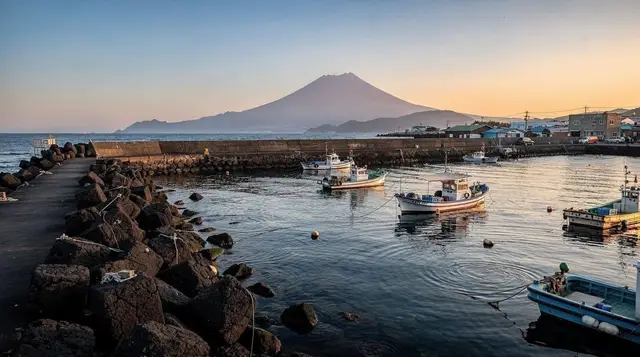
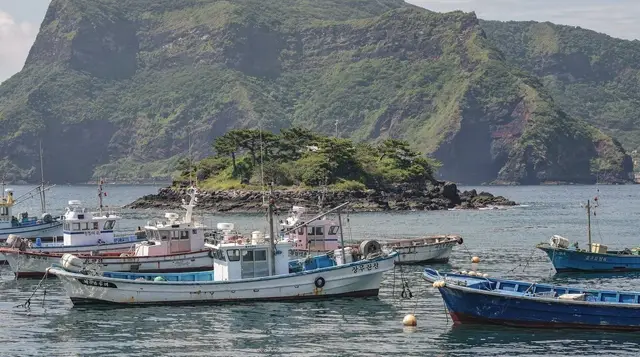
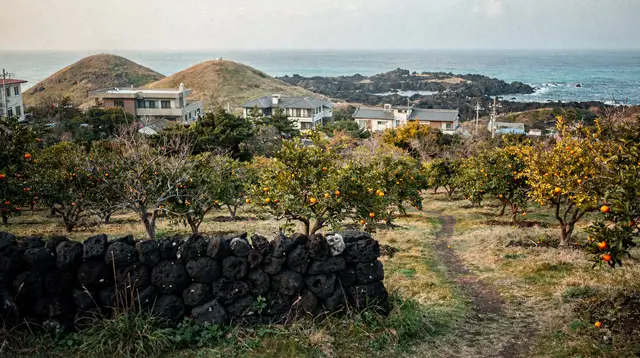
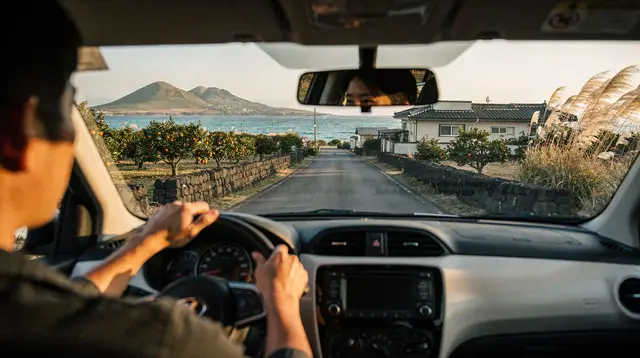
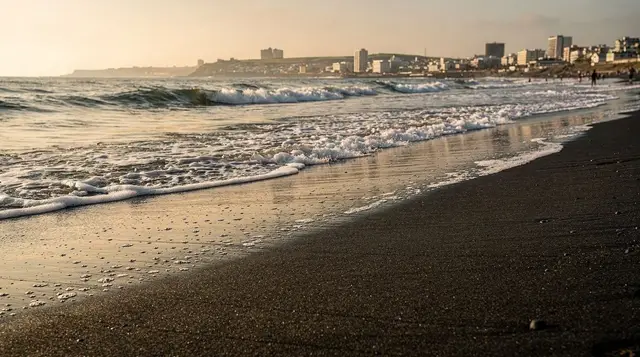
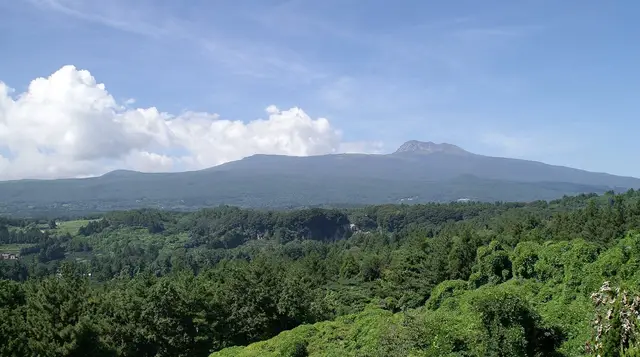
Most visitors touch down at Jeju International Airport (CJU) and never look past the rental car counter, but Jeju City itself — the province’s capital and by far its largest urban area, home to roughly 486,000 of the island’s 670,000 residents — deserves at least a night on either end of a trip. It is not the scenic Jeju of postcards; it is the working island, with a fish market that opens before dawn, a downtown grid of noraebang and barbecue restaurants, and a coastline dotted with basalt rock formations that locals visit more for sunset walks than photo ops.
| Where | Jeju’s capital, around CJU airport |
| Cost | ~₩60,000-80,000/person per day before lodging |
| Time needed | 1-2 days, or as a transit base |
| Getting there | CJU airport inside the city, 15 min from downtown |
| Best time | Year-round as a base; October for the clearest weather |
Why start (and end) a trip here
CJU sits inside the city limits, about 15 minutes by taxi from the old downtown around Dongmun Market and Chilseong-ro. That proximity is the practical case for Jeju City: an early flight home means a hotel near the airport instead of a 5 a.m. drive from Seogwipo or Seongsan. It also means the widest range of car rental counters, the most 24-hour restaurants, and — if a typhoon grounds ferries to Jeju Islets or delays flights — the most backup options for a stranded night.
Beyond logistics, Jeju City has its own identity split across a handful of neighborhoods, several of which have their own destination guides on this site: Yongdam near the airport, Samyang with its black-sand beach, Iho Tewoo and its striped horse lighthouses, and further out, Aewol, Hamdeok, Jocheon, and Gujwa stretching along the northern coast. This guide covers the historic downtown core — Yongdam, Ido, Samdo, and the old port around Tapdong — where most visitors actually spend their city time.
Getting around
Downtown Jeju City is walkable once you’re there: Dongmun Market, Chilseong-ro shopping street, Tapdong seafront, and the Mokgwana historic site are all within 20 minutes on foot of each other. From the airport, a taxi downtown runs roughly ₩8,000-12,000 (about US$6-9) depending on traffic; Kakao T (the standard ride-hailing app, install it before landing) works reliably here, more reliably than in rural areas. City buses (₩1,000-1,500, contactless card or cash) connect the airport to downtown in about 20 minutes.
If you’re renting a car — and most multi-day Jeju itineraries do, since public transit thins out fast outside the city — pick it up at the airport with an International Driving Permit in hand; Korean rental counters check for it and will not hand over keys without one. Driving from Jeju City to Seogwipo takes about 45-60 minutes via the 1100 Road or the Jeju-Seogwipo Expressway; reaching east Jeju (Seongsan, Manjanggul) is 50-70 minutes, and west Jeju (Hallim, Aewol) is closer, 30-45 minutes along the coastal road.
What to see and do
Dongmun Traditional Market
Jeju City’s largest traditional market has operated in some form for decades and remains the most reliable place on the island to see, smell, and eat actual Jeju produce rather than tourist-menu versions of it: hairtail fish (galchi), fresh and dried squid, hallabong and cheonhyehyang citrus by the box, and stalls selling black pork skewers and mekbu (dried seaweed) snacks to eat on the spot. It gets loud and crowded by mid-morning and stays open into the evening, with a smaller night-market food-stall section that runs later. Go hungry, bring small won notes, and expect vendors to speak limited English but be patient with pointing and calculators.
Taste of Jeju: A Culinary Journey Through Traditional Market runs a guided tasting route through the market with a local guide who explains what you’re eating — worth it on a first visit if you don’t read Korean and want context rather than guesswork.
Yongduam (Dragon Head Rock)
A basalt rock formation on the coast near the airport, shaped — with some imagination — like a dragon’s head rising from the sea. It’s free, a five-minute walk from a parking area, and genuinely underwhelming compared to the volcanic scenery elsewhere on the island; treat it as a 15-minute stop on the way to or from the airport rather than a destination in its own right. The adjacent coastal promenade is a better use of the time than the rock itself, especially at sunset.
Jeju Mokgwana
A reconstructed Joseon-dynasty provincial government compound in the old downtown, rebuilt after excavations in the late 1990s confirmed the original layout. Entry costs around ₩1,000-1,500 and the whole visit takes 30-45 minutes — modest in scale but the only place in the city center to get a sense of pre-modern Jeju administration, distinct from the folk-village recreations further afield in Seongeup.
Samseonghyeol Shrine
The mythological birthplace of Jeju’s three founding clans (Go, Yang, and Bu), marked by three sacred holes in the ground where the clan ancestors are said to have emerged. It’s a quiet, tree-shaded site in the middle of the city, free or near-free to enter, and a genuine piece of living local mythology rather than a manufactured attraction — ceremonies are still held here.
Tapdong seafront and Sarabong sunrise point
Tapdong is the reclaimed waterfront strip near the old port, lined with seafood restaurants, cafés, and a public square that hosts occasional events; it’s a pleasant evening walk with the ocean on one side and city lights on the other. A short drive or 25-minute walk east, Sarabong is a low hill (about 150m) that’s a popular local sunrise spot with views over the port — quieter and less touristy than Seongsan Ilchulbong, and free.
Jeju National Museum
Free entry, covering the island’s archaeology and history from prehistoric settlement through the Joseon period. It’s not a must-see on a short trip but is a solid rainy-day option, especially paired with a stop at the nearby Jeju Folk and Natural History Museum.
Where to stay
Jeju City has the island’s densest concentration of budget and mid-range hotels, most clustered either near the airport (Yongdam/Nohyeong, convenient for early flights, generic business-hotel feel) or downtown near Tapdong and the old port (walkable to Dongmun Market, livelier at night, better restaurant access). Airport-area hotels run roughly ₩70,000-120,000/night (~US$55-90); downtown options are similar or slightly higher for anything with a sea view. This is also where most car rental agencies are based, so an overnight here the night before a return flight removes the stress of a long final drive.
Eating in Jeju City
Beyond Dongmun Market, the city has the island’s best range of everyday Korean food — barbecue houses, noodle shops, and 24-hour gukbap (rice-and-soup) spots near the bar districts, useful after a late flight when nothing in Seogwipo or the countryside is open. Black pork restaurants cluster around Heukdwaeji Street near the old downtown; expect ₩15,000-20,000 per person for a barbecue meal, more if you add extra cuts. For something faster, the covered arcades near Chilseong-ro have inexpensive dumpling and noodle counters aimed at locals rather than tour groups.
An honest sunrise option
Jeju Island: Sunrise Guided Tour with Hotel Pickup is worth flagging for visitors staying in Jeju City who want a sunrise experience without driving to Seongsan Ilchulbong in the dark themselves — hotel pickup removes the single biggest logistical headache of chasing sunrise on this island (finding an unfamiliar coastal road before dawn).
Airport transfers, honestly assessed
If your flight lands late or leaves early and you’d rather not deal with taxi queues or bus schedules, Jeju: Airport (CJU) Transfer Pick-up & Sending Service covers both directions. For most travelers staying in Jeju City itself, though, a taxi or the airport bus is cheaper and just as fast — save the private transfer for arrivals into Seogwipo or west Jeju, where the drive is long enough that door-to-door service actually saves meaningful time.
Shopping beyond the market
Chilseong-ro, the covered arcade running through the old downtown, is Jeju City’s main shopping street — a mix of Korean fashion chains, cosmetics shops, and street-food stalls that gets busy on weekend evenings with both tourists and local teenagers. It’s a reasonable place to pick up last-minute souvenirs (dried tangerine snacks, hallabong chocolate, small ceramic dol hareubang figures) without the tourist markup found at airport shops. For something more specific to Jeju, look for shops selling actual Jeju-grown citrus products rather than mainland-imported gift boxes dressed up with island branding — Dongmun Market’s produce stalls are generally the more reliable source.
A realistic day plan
For visitors with exactly one day in Jeju City — arriving on an early flight or departing on a late one — a workable sequence looks like this: breakfast at Dongmun Market (galchi-jorim, braised hairtail fish, is a good, filling local option), a mid-morning walk through Mokgwana and Samseonghyeol Shrine (both close enough to combine in under two hours), lunch near Chilseong-ro, an early-afternoon stop at either the Jeju National Museum or a walk along Tapdong seafront depending on weather, and an early-evening visit to Yongduam and the coastal promenade near Yongdam timed for sunset. Dinner in the black pork district rounds out the day before an evening flight, or an early night before a departure the next morning. This whole loop is manageable on foot and by taxi without needing a rental car for the day.
Budget for a day in Jeju City
A rough daily budget for Jeju City runs lower than the island average precisely because it’s the most transit-accessible region: breakfast and market snacks around ₩10,000-15,000, a sit-down lunch ₩10,000-15,000, a black pork barbecue dinner ₩20,000-30,000 per person including a side dish or two, and museum/site entry fees rarely exceeding ₩1,000-2,000 each. Add ₩10,000-15,000 for local transport (taxis, buses) if you’re not renting a car for the day. That puts a comfortable day in the city at roughly ₩60,000-80,000 (about US$45-60) per person, before accommodation — noticeably cheaper than a day built around Jungmun’s resort strip or a guided day tour.
Connectivity and practical services
Jeju City has the island’s best mobile coverage and the widest selection of SIM/eSIM vendors, including counters at the airport for visitors who didn’t set up an eSIM before arrival. Pharmacies, convenience stores, and ATMs accepting foreign cards are far more numerous here than in the smaller coastal towns, which makes Jeju City the practical place to stock up before heading into more rural parts of the island for several days. If you need to replace lost gear, extend a car rental, or deal with any unexpected logistics, this is where the infrastructure exists to sort it out quickly.
Seasonal notes
Jeju City doesn’t have the seasonal closures that affect Hallasan’s hiking trails, so it works as a base in any month. Summer (June-August) brings heat, humidity, and the July monsoon; typhoon season (late August-September) can disrupt flights and ferries system-wide, so build a buffer night into the city if your trip falls in that window. Winter is mild by Korean standards but windy, and the city’s covered market and museums make it a reasonable wet-weather fallback for the whole island.
Choosing between airport-area and downtown lodging
The two main lodging clusters in Jeju City serve genuinely different priorities, and it’s worth picking deliberately rather than defaulting to whichever comes up first in a search. Airport-area hotels around Yongdam and Nohyeong trade character for convenience — a five-to-ten-minute transfer to check-in, useful for early flights or a late arrival when you just want to sleep. Downtown options near Tapdong and the old port put you within walking distance of Dongmun Market, Chilseong-ro, and the black pork restaurant district, at the cost of a slightly longer airport run. For a single transit night before an early departure, airport-area wins on convenience; for a night meant to actually be enjoyed — dinner out, a market visit, an evening walk — downtown is the better base.
First-time arrival essentials
For visitors landing at CJU for the first time, a few practical steps make the transition from airport to trip noticeably smoother: pick up a rental car with an International Driving Permit ready (Korean counters check for it), install Kakao T before you land, and set up an eSIM or grab one at an airport counter if you didn’t sort connectivity in advance. The CJU airport guide covers terminal layout and transfer options in detail, the car rental and IDP guide walks through the permit requirement step by step, and the airport tips for first-timers blog post rounds up the small details that trip up new arrivals most often.
Frequently asked questions about Jeju City
Do I need to stay in Jeju City at all?
Not necessarily — many itineraries only pass through for the airport. But if your flight times are early or late, or you want one night of city food and nightlife bookending a countryside-heavy trip, it’s the most convenient base on the island.
How far is Jeju City from the main sights like Seongsan Ilchulbong?
About 50-70 minutes by car to Seongsan in the east, and similar to Seogwipo’s waterfalls in the south. It’s not central to the island’s scenery, which is why most visitors treat it as a transit point rather than a base for exploring.
Is Dongmun Market touristy?
Partly — it’s the market most tour groups are brought to — but it’s still a working market where locals shop, unlike some of the more manufactured “traditional market” attractions elsewhere. Go earlier in the day for a less staged experience.
Can I get by without a car in Jeju City?
Yes, more easily here than anywhere else on the island. Downtown is walkable, taxis and Kakao T are reliable, and city buses cover the airport-downtown route well. A car becomes necessary once you want to reach Hallasan, the east coast, or the islets.
What’s a realistic one-day itinerary in Jeju City?
Morning at Dongmun Market for breakfast and browsing, a walk through Mokgwana and Samseonghyeol Shrine, lunch near Chilseong-ro, an afternoon at Tapdong seafront or the National Museum, and dinner in the black pork district before an evening walk to Yongduam for sunset.
Is it safe to walk around Jeju City at night?
Yes — South Korea has very low violent crime rates generally, and Jeju City’s downtown stays lively and well-lit into the late evening. Normal city-travel caution applies, nothing beyond that.
Where do I return my rental car if I’m flying out of CJU?
Nearly all rental agencies have a drop-off point at or near the airport in the Yongdam area; confirm your specific counter’s location and closing hours when you book, since some close earlier than the last flights of the day.
Is one full day enough to see Jeju City properly?
Yes for the highlights — Dongmun Market, Mokgwana, Samseonghyeol Shrine, and Tapdong seafront can all be covered in a single well-planned day, especially if you’re already staying in the city for a flight-related night.


