
Daejeong
Daejeong is a quiet southwest farming town holding Jeju's most significant exile history — the Chusa Kim Jeong-hui site and Alddreu's WWII airfield ruins.
Quick facts
Top tours and experiences
We earn a small commission if you book through GetYourGuide — at no extra cost to you. Every tour is hand-picked and verified.
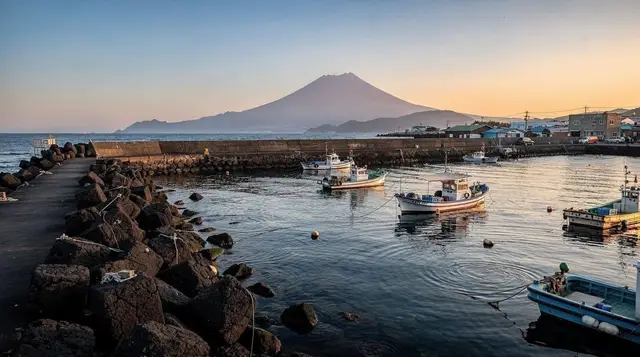
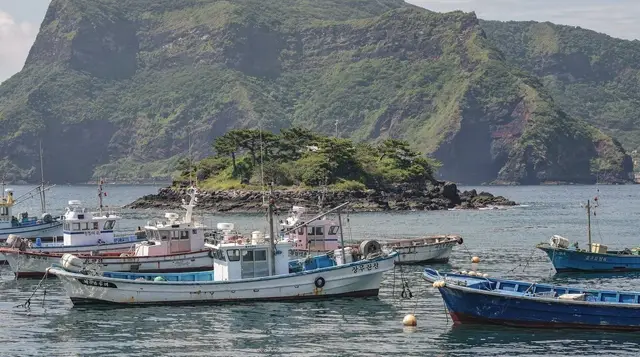
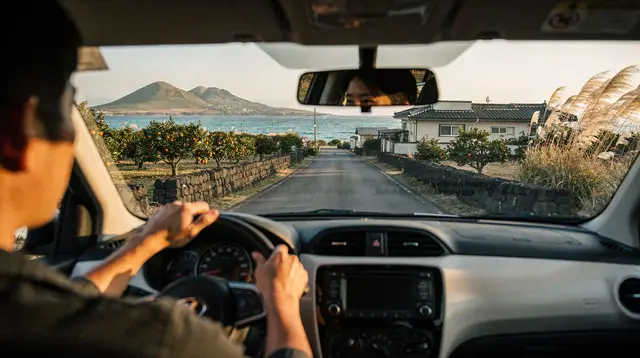
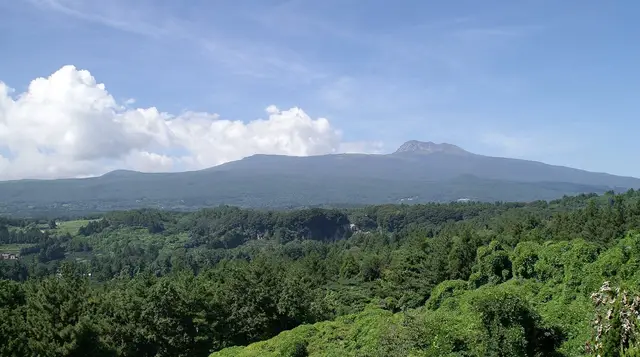

Daejeong is an inland-and-coastal eup in Jeju’s southwest corner, a working agricultural area of garlic and tangerine fields that most travelers only pass through on the way to Sanbangsan or the Marado ferry. That’s a missed opportunity for anyone with an interest in Korean history: Daejeong holds the exile site of Kim Jeong-hui, one of the most significant figures in Korean calligraphy and scholarship, and Alddreu Airfield, a stark reminder of Jeju’s occupation-era military history that most guidebooks barely mention.
| Where | Daejeong-eup, Jeju’s southwest corner |
| Cost | Chusa Memorial Hall ~₩1,500-2,000; Alddreu Airfield free |
| Time needed | Half a day |
| Getting there | 50-60 min by car from CJU via Pyeonghwa-ro or the Andeok coastal route |
| Best time | Year-round; a dry day is best for the airfield ruins |
Jeju 4.3 Incident History & Cultural Tour covers Daejeong’s occupation-era and exile history alongside the island’s broader 20th-century story, a useful option if you’d rather have the context guided rather than self-directed.
The Chusa exile site
Kim Jeong-hui — better known by his pen name Chusa — was a Joseon-dynasty scholar, calligrapher, and official exiled to Daejeong from 1840 to 1848 after falling out of political favor in Seoul. During those eight years, confined to a modest thatched-roof house in what was then a remote corner of the kingdom, he developed the distinctive “Chusa-che” calligraphy style still studied in Korean art history today. The Chusa exile site preserves a reconstruction of his residence alongside a dedicated museum (Chusa Memorial Hall) displaying his work and explaining the exile system that shaped so much of Joseon-era Jeju’s history — the island was a common destination for political exiles for centuries, a thread that connects Daejeong to sites across the island. Entry to the museum is modest, typically under ₩2,000, and the whole visit takes about an hour.
Alddreu Airfield
A short drive from the Chusa site, Alddreu Airfield is a preserved section of a Japanese colonial-era military airbase built in the 1930s-40s, with concrete aircraft hangars still standing scattered across open farmland — half-buried, overgrown, and left largely as found rather than restored into a polished attraction. It’s an unusual and slightly haunting stop: a working garlic field with wartime concrete bunkers rising out of it, a physical reminder of the forced labor and militarization Jeju endured under Japanese occupation before the war’s end in 1945. There’s no formal entry fee or visitor center in the way of most Jeju attractions — it’s an open site, best explored with some prior reading on the context (the airfield connects to the same broader history covered in the Jeju 4.3 Incident guide, though the airfield itself predates and is distinct from the 4.3 period).
A working agricultural town
Away from these two historical sites, Daejeong is straightforwardly agricultural — garlic is the area’s signature crop, and fields stretch across the gently rolling terrain between the coast and Sanbangsan’s slopes. It’s not a scenic destination in the way of Jeju’s coastal towns, but driving through gives an honest sense of how much of the island’s economy still runs on farming rather than tourism, a useful counterweight if your trip has otherwise been all beaches and cafes.
Getting here
Daejeong is about 50-60 minutes by car from CJU airport, most directly via the Pyeonghwa-ro cross-island road or the coastal route through Andeok. It borders Sagye and the Sanbangsan area to the east, and connects to Moseulpo port — the departure point for ferries to Marado — a short drive south. Public buses reach the area from Jeju City and Seogwipo, but at low frequency; a rental car makes far more sense if Daejeong is on your itinerary alongside the Sanbangsan cluster.
Combining Daejeong with a southwest day
Most visitors treat Daejeong as one stop within a broader southwest loop: the Chusa site and Alddreu Airfield in the morning, then continuing to Sagye for Sanbangsan and Yongmeori Coast, or south to Moseulpo for a Marado ferry crossing. Building Daejeong into a car-based day rather than visiting it in isolation is the practical approach — there isn’t enough here to justify a dedicated trip on its own, but it adds real depth to a day that would otherwise be scenery-only.
Where to stay
Daejeong has limited dedicated tourist accommodation — most visitors stay in Seogwipo or near the Sanbangsan cluster and day-trip in, or continue on to Moseulpo if catching an early Marado ferry the next morning. A handful of small guesthouses serve travelers who specifically want a quiet, non-touristy base in the island’s agricultural southwest.
Food in Daejeong
As a farming town rather than a resort area, Daejeong’s dining is modest and local — simple Korean restaurants serving noodle dishes, garlic-forward local specialties, and standard Korean staples at prices generally below the tourist-oriented towns further north, typically ₩8,000-14,000 per person. This isn’t a food destination, but it’s an honest, unfussy place to eat between historical stops.
Budget for a Daejeong half-day
The Chusa Memorial Hall charges a small entry fee (around ₩1,500-2,000), Alddreu Airfield is free and open, and a simple local lunch runs ₩8,000-14,000 per person. A half-day covering both historical sites and a meal comes to roughly ₩10,000-20,000 (about US$7-15) per person — one of the more affordable stops on the island precisely because it isn’t set up for tourism the way the coastal attractions are.
Why this stop matters
Jeju’s marketing leans heavily on volcanic scenery and haenyeo culture, both genuinely worth the attention they get — but the island’s history under Joseon-era exile and Japanese occupation gets far less airtime in most travel planning, despite shaping the island as much as its geology. Daejeong is one of the more accessible places to engage with that history directly, without the emotional weight of a site like Bukchon-ri’s 4.3 memorial, making it a reasonable entry point if you want more than scenery from your trip but aren’t ready for the heavier history elsewhere on the island.
What to skip if you’re short on time
If you only have an hour in Daejeong, prioritize Alddreu Airfield over the Chusa Memorial Hall — the airfield’s visual impact requires no advance ticket or building visit and delivers its impression faster, while the museum rewards a slower, more deliberate visit that’s easy to shortchange if you’re watching the clock.
Getting to Moseulpo and the Marado ferry
If a Marado day trip is on your itinerary, Daejeong sits directly on the route to Moseulpo port, about 10-15 minutes further south. Combining a morning at the Chusa site and Alddreu Airfield with an afternoon ferry to Gapado or Marado is a logical full-day plan for this corner of the island — see the ferry schedules guide for current departure times, which shift with tides and weather.
Seasonal notes
Both main sites in Daejeong are outdoor-adjacent but weather-tolerant year-round — the Alddreu Airfield ruins are particularly atmospheric on an overcast day, arguably more so than in bright sunshine. Garlic harvest brings visible seasonal activity to the surrounding fields in early summer, giving the drive through the area a different character depending on when you visit.
The exile tradition on Jeju
Chusa Kim Jeong-hui wasn’t Jeju’s only political exile — the island’s remoteness from Seoul made it a favored destination for banishing officials who’d fallen out of favor throughout the Joseon dynasty, a practice that continued for centuries and shaped the island’s relationship with the mainland in ways still discussed in Korean history classes. Some exiles, like Chusa, used the isolation productively; others simply waited out their sentence in obscurity. Understanding this pattern gives useful context for why so much of pre-modern Jeju history reads as a place things were sent away from rather than a place events happened, a framing the Chusa site works to complicate by showing what one exile actually accomplished during his confinement.
Visiting Alddreu Airfield thoughtfully
Unlike a staffed historical site, Alddreu Airfield offers no guided interpretation on-site beyond scattered informational signage, which means getting real value from the visit benefits from doing a little reading beforehand. The hangars — three concrete structures, partially collapsed, standing in the middle of active farmland — were built using forced Korean and possibly other conscripted labor under Japanese wartime rule, part of a network of military infrastructure Japan built across Jeju in its final years of occupation before 1945, some of which (like cave fortifications on Songaksan and elsewhere) remains scattered across the island. Approaching Alddreu with that context turns a mysterious set of ruins in a field into a genuinely affecting stop.
Garlic season and the local economy
Daejeong is one of Jeju’s most significant garlic-growing regions, and the harvest — typically concentrated in early summer — brings visible seasonal activity to the surrounding fields, with drying garlic sometimes laid out along farm roads and in yards. It’s a small but genuine window into how much of the island’s rural economy still depends on agriculture rather than tourism, a useful counterpoint if the rest of your trip has been entirely coastal sightseeing.
Why Daejeong is easy to underrate
Because neither the Chusa site nor Alddreu Airfield offers the immediate visual payoff of a volcanic crater or a turquoise beach, Daejeong is one of the most consistently skipped stops on a first Jeju itinerary — travelers pass straight through on the way to Sagye’s Sanbangsan or the Marado ferry without stopping. That’s understandable given limited time, but it means Daejeong rewards exactly the kind of traveler who’s already ticked off the island’s headline sights and wants something with genuine historical weight rather than another photogenic viewpoint.
Reaching Daejeong without driving yourself
Not everyone wants to handle Jeju’s roads, and Daejeong is one of the places where that hesitation costs the most, because the bus network here is thin. The practical options are a rental car (see the car rental and IDP guide and the road trip driving tips), a taxi booked through Kakao T, or a guided day that already includes the southwest. If you’d rather leave logistics to someone else, a full-day private guided car tour can be shaped around a slower stop in Daejeong, and the private versus group tours comparison helps you decide whether the extra flexibility is worth it. For a broader overview of what is on offer, the best day tours guide lays out the main formats.
If your plan leans on public transport instead, read the Jeju bus guide before you commit, and build in generous waiting time between connections in the southwest.
Pairing Daejeong with the rest of the southwest
Daejeong works best as the quiet, reflective part of a day that also includes bigger names. The Sanbangsan mountain and the Yongmeori Coast are the natural next stops, and both sit close enough that you can keep the car-based rhythm going. Travelers who prefer a ready-made structure can look at a southwest day tour that pairs Hallasan and the UNESCO highlights, then add Daejeong separately on another day if the history appeals.
For a wider frame, the west Jeju day tour guide and the west Jeju itinerary show how a Daejeong stop slots into a longer route, while the west Jeju region page gives the geographic picture. If Marado is the goal, the Gapado and Marado day trip guide and the islets ferry guide cover the crossing itself.
Extending the history thread
Daejeong is a good first chapter if you want to follow Jeju’s past across the island. From here, the 4.3 Incident explainer gives the heavier twentieth-century context, and the museums roundup lists other indoor places that tell the story in more depth. The Seongeup folk village shows how traditional communities on the island lived, and the dol hareubang stone grandfathers are an easy cultural link between all of these stops. For the larger frame of the island’s mountain at the centre of it all, see Hallasan National Park.
Frequently asked questions about Daejeong
Is Daejeong worth a special trip?
Not entirely on its own — it’s best combined with the Sanbangsan/Yongmeori cluster in nearby Sagye or a Marado ferry day via Moseulpo.
What is Chusa Kim Jeong-hui known for?
He was a Joseon-dynasty scholar-official and calligrapher exiled to Daejeong for eight years, during which he developed the influential “Chusa-che” calligraphy style still studied in Korea today.
Is there an entry fee for Alddreu Airfield?
No, it’s an open site on agricultural land with no formal entry fee or visitor center.
Do I need a car to visit Daejeong?
Strongly recommended — bus service exists but is infrequent, and combining Daejeong with nearby sites is much easier with your own transport.
Is Alddreu Airfield appropriate to visit with children?
It’s a low-key historical site without graphic content, suitable for most ages, though the context (Japanese wartime occupation) is more meaningful with some background explanation.
How does Daejeong connect to the Jeju 4.3 Incident?
Alddreu Airfield predates the 4.3 period, dating to Japanese colonial occupation before 1945, but it’s part of the same broader arc of military history that shaped 20th-century Jeju — see the 4.3 Incident guide for the fuller timeline.
What’s the nearest ferry port to Daejeong?
Moseulpo, about 10-15 minutes south, for ferries to Gapado and Marado.
Were other exiles sent to Jeju besides Chusa Kim Jeong-hui?
Yes — Jeju’s remoteness made it a common destination for banished Joseon-dynasty officials over several centuries, though Chusa’s exile is the most historically significant and the best documented for visitors today.
What should I read before visiting Alddreu Airfield to get the most out of it?
A brief overview of Jeju’s Japanese colonial occupation period (1910-1945) helps considerably — the site itself has limited on-location interpretation, and the context transforms the visit from a puzzling set of ruins into a genuinely affecting historical stop.
Is Daejeong walkable, or do I need to drive between the Chusa site and Alddreu Airfield?
A short drive or taxi ride connects the two — they’re close but not comfortably walkable together, especially with limited shade along the connecting roads.


