
Hallasan National Park
Hallasan is South Korea's highest peak and a national park with four trails, seasonal quotas, and views that justify the climb on a clear day.
Quick facts
Top tours and experiences
We earn a small commission if you book through GetYourGuide — at no extra cost to you. Every tour is hand-picked and verified.
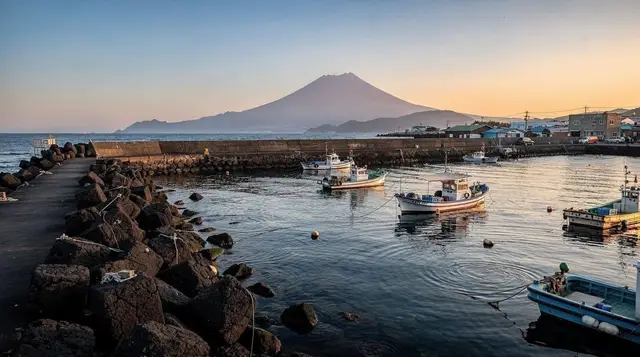
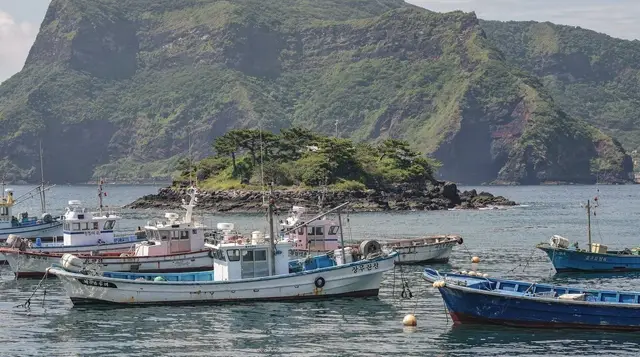
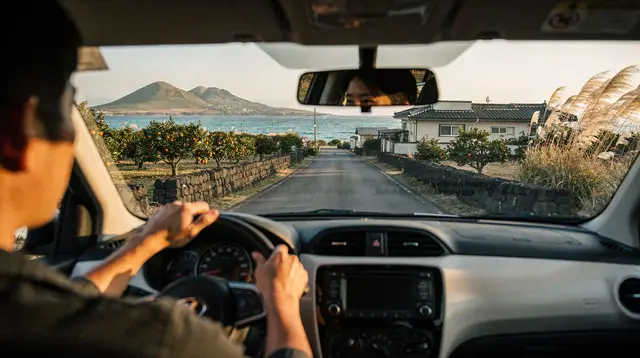
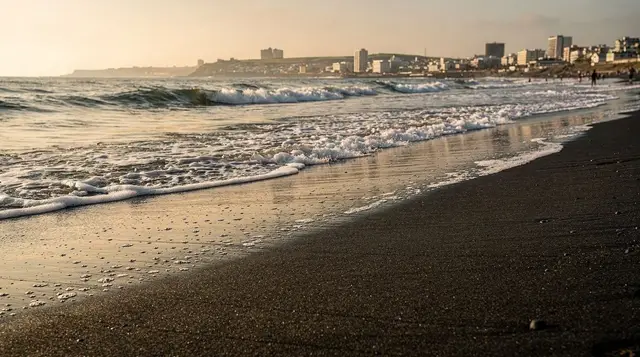
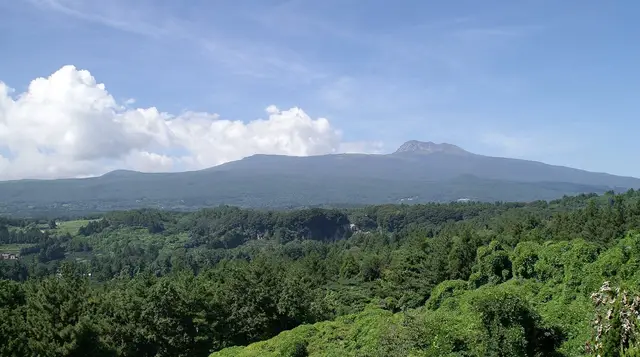

Hallasan is a shield volcano rising to 1,947m at the center of Jeju Island, South Korea’s highest peak, and the core of a national park that’s part of the island’s UNESCO Global Geopark designation. It dominates the island’s weather (Seogwipo on its southern lee is noticeably milder than Jeju City to the north) and its geography — nearly every drive across Jeju eventually routes around or over its lower slopes. The honest version of visiting Hallasan: the summit crater lake view is genuinely rewarding, but it requires real planning around permits, timed entry, and weather that clouds over the peak more often than clear-day photos suggest.
| Where | Center of Jeju Island; 30-45 min from Jeju City or Seogwipo |
| Cost | Free to hike; reservation required for summit trails, no separate fee |
| Time needed | 1 full day for a summit attempt; half a day for non-summit trails |
| Getting there | Seongpanak/Gwaneumsa by car or limited bus; Yeongsil/Eorimok closer to west Jeju |
| Best time | May-June and September-October for clearest summit weather |
The trail system, explained
Hallasan has four main trails, and only two reach the actual summit crater rim (Baengnokdam, a volcanic crater lake). This distinction trips up a lot of first-time visitors who assume any trail gets them to the top.
Seongpanak Trail — the longer but gentler summit route, about 9.6km one way, typically 8-9 hours round trip. It’s the more forgiving of the two summit trails in terms of grade, though the distance makes for a long day. Full details, current gate times, and permit requirements are in the Seongpanak Trail guide.
Gwaneumsa Trail — shorter in distance (about 8.7km one way) but steeper and more technically demanding, considered the harder of the two summit routes, with rockier sections in the upper third. See the Gwaneumsa Trail guide for the full breakdown.
Yeongsil Trail — does not reach the summit; it climbs to Witse Oreum, a viewpoint below the crater rim, and is a shorter, more accessible hike with dramatic rock formations along the way. Covered in the Yeongsil Trail guide.
Eorimok Trail — also does not reach the summit, connecting toward Witse Oreum from the western side, generally considered the gentlest of the four. Details in the Eorimok Trail guide.
The complete Hallasan hiking guide compares all four trails side by side if you’re deciding which one fits your fitness level and time budget.
Permits and timed entry — the part people miss
Since a 2019 reservation system was introduced, both summit trails (Seongpanak and Gwaneumsa) require advance online reservation through the Hallasan National Park website, with a daily hiker quota and a mandatory starting-time window. Arriving without a reservation and expecting to start the trail on a whim no longer works reliably, especially in peak season (spring and autumn weekends). Gate closing times are also strict and seasonal — the park closes trail access at a cutoff hour calculated to get hikers down before dark, and rangers do turn people back at checkpoints past that time. Check current reservation and gate-time details before you go; both shift seasonally and occasionally year to year.
Winter conditions and closures
Hallasan sees snow most winters, and the summit trails can require crampons (available for rent near the trailheads) for a safe ascent from roughly December through March. Trails occasionally close outright after heavy snowfall or high wind, sometimes with little advance notice — build a buffer day into a winter itinerary if summiting Hallasan matters to your trip. Jeju Island: Hallasan Mountain Winter Scenery Guided Tour is a guided option for the winter season that handles the gear and permit logistics, which is a genuine advantage when trail access rules are tightening for safety.
Guided hiking options
For visitors who’d rather not navigate the reservation system and trail logistics solo, Jeju: Hiking Mt. Hallasan, South Korea’s Highest Mountain and Jeju: Mt. Hallasan Small-Group Nature Hike & Lunch both bundle transport, a certified guide, and lunch into a single booking — genuinely useful given how much of the friction here is administrative (reservations, gate times, permit checks) rather than physical.
Is the summit worth it?
Honestly: only if the weather cooperates. Hallasan’s peak is frequently shrouded in cloud, and a summit reached in fog delivers little beyond the achievement itself — no crater lake view, no panoramic vista. Check the mountain forecast (not just the coastal Jeju forecast, which can differ significantly) the morning of your hike, and be prepared to either delay or settle for one of the non-summit trails (Yeongsil or Eorimok) if conditions look poor. Baengnokdam crater lake itself is often dry or reduced to a small pool outside of wet periods — it’s a volcanic crater, not a reliably full lake, so don’t build the whole hike around a guaranteed water view.
Oreums around the park
Beyond the main peak, the park’s surroundings and the wider island are dotted with oreums — smaller parasitic volcanic cones, many climbable in under an hour, offering some of Jeju’s best panoramic views without Hallasan’s permit system or distance. The best oreums guide and the Geumun-oreum guide cover accessible options if a full Hallasan summit doesn’t fit your schedule or fitness level.
Getting to the trailheads
Seongpanak trailhead is about 30-40 minutes from Jeju City and a similar distance from Seogwipo, reachable by public bus (limited schedule) or car. Gwaneumsa trailhead is closer to Jeju City, about 25-30 minutes. Yeongsil and Eorimok trailheads sit on the western side of the mountain, roughly 40-50 minutes from Jeju City and closer to west Jeju towns. Two dedicated trailhead-area destination pages — Seongpanak and Eorimok — cover nearby lodging and access in more detail.
Autumn foliage
October brings Hallasan’s most reliably spectacular hiking conditions: dry air, clear skies more often than any other month, and foliage that turns the lower and mid-elevation forest into a genuine highlight of the hike, not just a means to the summit. This is also the park’s busiest period — expect full reservation quotas on weekends, and book well ahead if an October summit is the plan.
What to bring
Even in summer, temperatures at 1,947m run noticeably cooler and windier than the coast — layers matter. Sturdy hiking shoes are non-negotiable on the rockier upper sections of both summit trails; sneakers are a common and regrettable mistake. Water and food: there are rest points with basic facilities partway up the summit trails, but nothing at the level of a full restaurant, so carry enough for the full round trip. The Jeju hiking gear and safety guide covers a full packing list by season.
Budget for a Hallasan hike
Hallasan itself is essentially free to hike — no trail fee, only the reservation system for the summit trails, which currently carries no separate charge beyond the booking itself. Costs come from getting to the trailhead (taxi or rental car), crampon rental in winter if needed (typically ₩5,000-10,000 for the day near the trailheads), and food you bring yourself, since there’s no restaurant service on the mountain. A guided hiking tour bundling transport, a certified guide, and lunch is the pricier option but removes the reservation and logistics burden entirely — a reasonable trade for visitors short on planning time or unfamiliar with the permit system.
What a summit day actually feels like
Worth setting honest expectations: a Hallasan summit hike is a long day, not a scenic stroll. The lower third of either summit trail runs through dense forest with limited views: the payoff — subalpine terrain, exposed rock, and eventually the crater rim — comes in the final third of the climb. Many hikers underestimate the psychological toll of a long, view-limited approach before the reward appears, so pace yourself and don’t judge the hike’s worth until you’re above the tree line. Descending takes nearly as long as the ascent and is harder on the knees; budget accordingly rather than assuming the way down will be quick.
The four trails, side by side
| Trail | Side | Reaches summit | Distance (one way) | Round trip |
|---|---|---|---|---|
| Seongpanak | East | Yes | ~9.6km | 8-9 hours |
| Gwaneumsa | East | Yes | ~8.7km | 7-8 hours |
| Yeongsil | West | No (to Witse Oreum) | Shorter | 3-5 hours |
| Eorimok | West | No (to Witse Oreum) | Shorter | 3-5 hours |
Only Seongpanak and Gwaneumsa reach Baengnokdam crater lake and require the online reservation system; the two western trails climb to the Witse Oreum viewpoint instead and generally don’t carry the same booking requirement, though rules can shift. Dedicated pages for Seongpanak and Eorimok cover trailhead-specific logistics; the complete Hallasan hiking guide, Gwaneumsa Trail guide, and Yeongsil Trail guide go deeper on each individual route.
Combining Hallasan with Jeju’s other geology
Hallasan’s shield-volcano geology connects directly to features found elsewhere on the island — the 1100 Highland Wetland on its western slope, the smaller parasitic cones documented in the best oreums guide, and even the coastal tuff formations at Seongsan Ilchulbong, which shares volcanic origins with Hallasan despite sitting at the opposite end of the island. Visitors with a deeper interest in Jeju’s UNESCO Global Geopark status often build a multi-day itinerary connecting several of these sites rather than treating Hallasan as an isolated day trip.
Frequently asked questions about Hallasan National Park
Do I need a permit to hike Hallasan?
Yes, for the two summit trails (Seongpanak and Gwaneumsa) — an online reservation with a set starting-time window is required, particularly in peak season. The non-summit trails (Yeongsil, Eorimok) generally don’t require the same reservation system, but check current rules before you go.
Which trail should a first-time visitor choose?
Seongpanak for a gentler grade despite the longer distance; Gwaneumsa if you want a shorter, more demanding hike and don’t mind rockier terrain. If a full summit day doesn’t fit, Yeongsil offers dramatic scenery in a shorter timeframe.
How long does the Hallasan summit hike take?
Plan for 8-9 hours round trip on Seongpanak, slightly less on the steeper Gwaneumsa route, depending on fitness and conditions. Start early — gate cutoff times are enforced.
Is Hallasan open year-round?
Yes, but winter brings snow, ice, and occasional trail closures after storms; some sections require crampons. Always check current conditions before a winter attempt.
Will I definitely see the crater lake at the summit?
Not guaranteed — Baengnokdam is frequently dry or reduced outside wet periods, and cloud cover often obscures the summit area entirely. Treat a clear crater-lake view as a bonus, not a certainty.
Can beginners hike Hallasan?
Reasonably fit beginners can manage Seongpanak with good preparation, proper shoes, and an early start, but it’s a genuine full-day mountain hike, not a casual walk — don’t underestimate the distance or elevation gain.
Is there a bus directly to the trailheads?
Limited public bus service reaches both Seongpanak and Gwaneumsa trailheads from Jeju City, but schedules are infrequent — a rental car or a guided tour is more reliable for controlling your start time.
What happens if I miss my reserved start time?
Rules are generally strict — arriving significantly past your reserved window can mean being turned away at the checkpoint, since the system is designed to ensure everyone descends before the gate closing time. Build in extra travel buffer to the trailhead rather than cutting it close.
Are there toilets or facilities along the summit trails?
Yes, basic rest facilities exist at intervals along both Seongpanak and Gwaneumsa, though they’re simple and not comparable to visitor centers — don’t expect food service beyond what you carry yourself.
Is Hallasan appropriate for a day trip from Seoul?
Not realistically for a summit attempt — between flight time, the drive to the trailhead, the hike itself, and the return, a genuine Hallasan summit day requires being based on Jeju rather than flying in and out from the mainland the same day.
Can I hike Hallasan solo, or should I join a group?
Solo hiking is permitted and common on both summit trails given their well-marked, heavily trafficked nature, though a guided group removes the reservation and logistics burden — the choice comes down to whether you’d rather manage the permit system yourself or pay for that convenience.


