
Jocheon
Jocheon is a north-coast fishing town near Manjanggul lava tube, and home to Bukchon-ri, a solemn site from the Jeju 4.3 Incident.
Quick facts
Top tours and experiences
We earn a small commission if you book through GetYourGuide — at no extra cost to you. Every tour is hand-picked and verified.
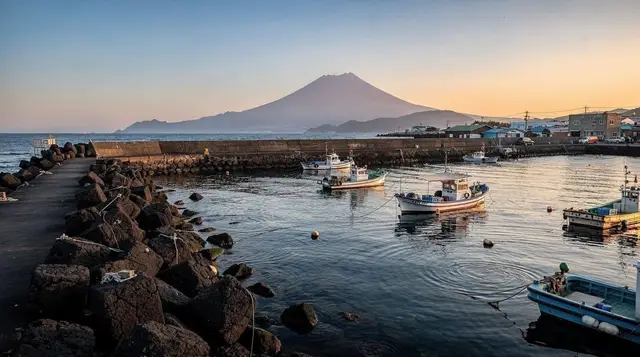
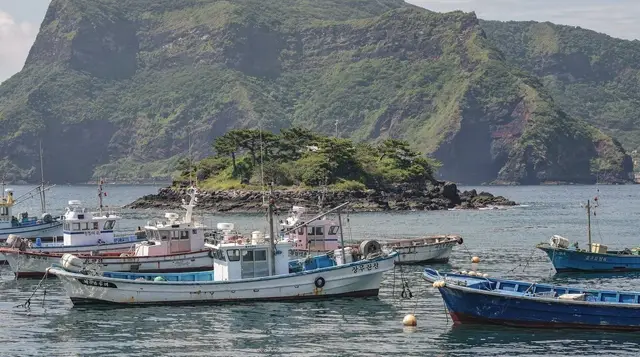
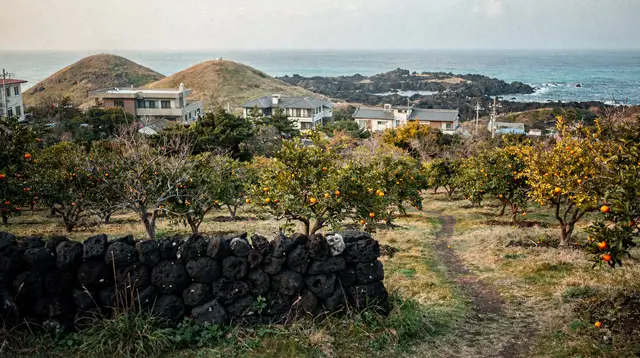
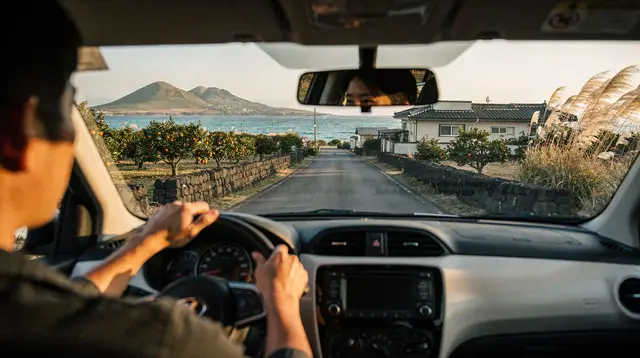
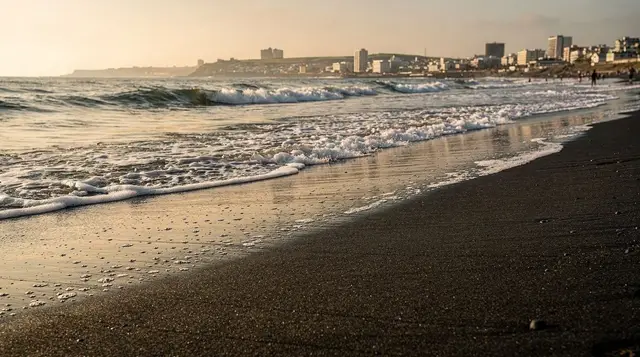
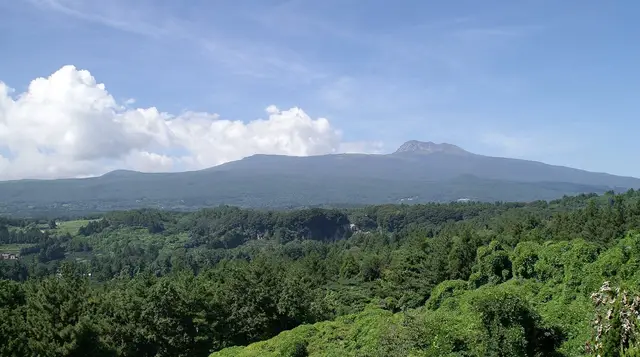
Jocheon is a north-coast eup east of Jeju City, a quieter fishing-and-farming area that most visitors pass through on the way to Manjanggul lava tube rather than a place they set out to explore for its own sake. That’s worth reconsidering: Jocheon also holds Bukchon-ri, one of the most significant and sobering historical sites connected to the Jeju 4.3 Incident, and its own stretch of understated coastline worth a slower look.
| Where | North coast eup, 35-40 min from CJU airport |
| Cost | Manjanggul entry around ₩4,000; Bukchon-ri memorial free |
| Time needed | Half a day, combined with Manjanggul |
| Getting there | Car recommended; coastal road east from Jeju City |
| Best time | Year-round — the cave holds a constant temperature |
Manjanggul lava tube access
Manjanggul, the country’s longest lava tube, sits within the broader Jocheon-Gujwa area, and Jocheon is one of the practical staging points for a visit. The publicly accessible section of the cave runs about a kilometer, ending at a distinctive lava column formation, with entry around ₩4,000 and a constant, jacket-worthy temperature of roughly 11-21°C year-round regardless of the season outside. Jeju: Private Transfer to Manjanggul Cave and Ticket covers the ride out and entry together, a practical option if you’re staying in Jeju City without a rental car. The full Manjanggul Lava Tube guide has hours, parking details, and what to expect inside.
Bukchon-ri and the Jeju 4.3 Incident
Bukchon-ri, a coastal village within Jocheon, was the site of one of the single worst massacres of the Jeju 4.3 Incident — the suppression campaign and civilian killings that took place on Jeju from 1948 to 1954, during which tens of thousands of islanders died. In January 1949, soldiers killed several hundred residents of Bukchon over the course of a single day, an event now memorialized at a small park and monument in the village (Bukchon-ri 4.3 Peace Park). This is not a manufactured tourist attraction — it’s a quiet, respectful memorial site, and visitors should treat it accordingly: it’s not a place for casual photography or a quick drive-by stop, but for those interested in understanding modern Jeju history beyond its scenery, it’s a meaningful and important visit. The Jeju 4.3 Incident history guide provides the fuller historical context before visiting.
A quieter coastline
Jocheon’s own coast, away from the Manjanggul access road, is understated compared to the more photographed stretches of the island — small harbors, low basalt shorelines, and working farmland running close to the water. It’s not a destination for dramatic scenery so much as a genuine look at how much of rural coastal Jeju actually looks and functions, away from the resort and café-strip development found elsewhere on the north coast.
Getting here
Jocheon is about 35-40 minutes by car from CJU airport and roughly 25-30 minutes from downtown Jeju City, along the coastal road heading east past Samyang and Hamdeok. It borders Gujwa to the east, which shares access to the Manjanggul area, and connects onward to the east Jeju UNESCO cluster (Seongsan, Seopjikoji) further along the coast.
Combining Jocheon with a day out
Most visitors treat Jocheon as a stop rather than a full-day base: a Manjanggul visit in the morning, a stop at Bukchon-ri if history interests you, and either a continuation east toward Seongsan or a return to Jeju City for the evening. The full loop from Jeju City through Jocheon and Manjanggul and back can reasonably be done in half a day with a car.
Going with a guide instead of driving
If you would rather not drive, or you want the history explained on the ground, a guided option can make the area easier to read. For Bukchon-ri and the wider story of the island’s 1948-1954 period, a guided cultural tour about the Jeju 4.3 Incident gives context that the panels alone cannot, and it pairs well with reading the 4.3 Incident explained article beforehand. If your plan is to continue past Jocheon toward the coast’s big sights, a full-day east Jeju bus tour with entry fees handled covers that side of the island without a rental car. Our private versus group day tours comparison and the best day tours roundup help you decide which format suits you.
Planning around Jocheon
Jocheon works best as one piece of a larger route, and several pages on this site help you build it. The east Jeju itinerary and the east Jeju day tour guide show where a Manjanggul stop fits in a full day. Travelers without a car should read the Jeju bus guide and the Kakao T taxi guide, while those driving will find the car rental and IDP guide and road trip tips useful. If the cave is your main reason for coming, the lava tubes explained article adds geological background, and the Manjanggul guide covers the visit itself. For a longer stay, the 3-day itinerary and the how many days in Jeju guide show how a half-day here fits in. Neighboring Gujwa and Hamdeok are the natural places to extend the day.
Where to stay
Jocheon has limited dedicated accommodation compared to beach towns like Hamdeok — most visitors either stay in Jeju City and day-trip out, or continue further east toward Seongsan for an overnight closer to the UNESCO sites. A handful of small guesthouses exist in the area for travelers who specifically want a quieter, more local base on the north coast.
Food in Jocheon
As a working fishing and farming area, Jocheon has modest but genuine local restaurants serving fresh seafood and simple Korean staples at prices generally lower than the more tourist-oriented spots in Aewol or Jungmun. Don’t expect an extensive dining scene — this is a practical stop for a meal on the way to or from Manjanggul, not a food destination in its own right.
Budget for a Jocheon day
Manjanggul entry runs around ₩4,000, with the private transfer-and-ticket option costing more but removing the need for a rental car specifically for this stop. Bukchon-ri’s memorial park has no entry fee. A simple local meal near the cave entrance or in the town center runs ₩10,000-15,000 per person. A half-day covering Manjanggul, a stop at Bukchon-ri, and lunch comes to roughly ₩25,000-35,000 (about US$19-26) per person, excluding transport costs if you’re not driving yourself.
Visiting Bukchon-ri respectfully
If you visit the 4.3 memorial site, plan for a quiet, unhurried stop rather than folding it into a rushed itinerary between other sights — the park includes informational panels explaining the historical context, and taking the time to read them adds meaningfully to the visit’s value. This is one of the few places on Jeju where the honest-planner approach this site takes matters most: treating a genuine tragedy with the seriousness it deserves rather than as a quick photo stop on the way to a cave.
The area’s agricultural character
Away from the coast and the cave entrance, Jocheon’s interior is largely working farmland — tangerine orchards and vegetable fields that give a more accurate sense of how much of rural Jeju actually functions than the tourist-facing coastal strips further west. Driving through this area, particularly in spring when citrus trees blossom or autumn during harvest, offers a quieter, more agricultural side of the island worth slowing down for even without a specific attraction to stop at.
Getting from Jocheon toward the east coast
Continuing east from Jocheon and Gujwa leads naturally into the east Jeju UNESCO cluster — Seongsan Ilchulbong and Seopjikoji are a further 30-40 minutes along the coastal road, making Jocheon a sensible midpoint stop on a full-day drive from Jeju City to the eastern sights rather than a standalone destination requiring its own dedicated trip.
Seasonal notes
Manjanggul’s constant underground temperature means the cave itself is essentially season-proof, a genuinely good rainy-day or extreme-heat option regardless of the month. Bukchon-ri’s memorial park is outdoors and best visited in calmer weather for a slower, more contemplative walk. The surrounding farmland changes character with the season — greener and more active in spring and summer, quieter through winter.
Why Jocheon rarely gets a full write-up elsewhere
Most guidebooks and blogs treat Jocheon purely as a waypoint to Manjanggul, mentioning it only in passing before moving on to the more photogenic east coast. That’s a fair reflection of where its tourism infrastructure sits today, but it undersells the area’s genuine historical weight — few places on the island carry the significance of Bukchon-ri, and fewer still combine a major geological attraction with a serious historical memorial within the same short drive. Visitors who only stop for the cave are, in a real sense, missing the more meaningful half of what this area has to offer.
Local produce and citrus season
Jocheon’s farmland produces a meaningful share of Jeju’s citrus crop, and driving through in winter (the main harvest season for hallabong and other varieties) often means passing roadside stands selling fruit directly from the grower at a fraction of supermarket or gift-shop prices. It’s a small but genuine way to buy into the local economy directly rather than through a tourist-oriented retailer, and the fruit is typically fresher for it.
When Manjanggul gets crowded
Manjanggul draws tour buses steadily through the day, and the narrow cave passage means crowding is noticeably more of an issue here than at more open-air sights — mid-morning to early afternoon tends to be the busiest window, particularly when multiple group tours arrive back-to-back. Visiting right at opening or in the last hour or two before closing generally means a noticeably calmer walk through the passage, with more room to actually stop and look at the lava column formation at the end rather than being nudged along by the group behind you. If your schedule is flexible, this is one of the more worthwhile timing adjustments on the island, since the cave’s narrow single-file sections amplify the effect of a crowd far more than a wide beach or clifftop path would.
Jocheon versus a rushed Manjanggul-only stop
The most common way to see Jocheon is also the version that gets the least out of it: a quick parking-lot stop at Manjanggul, a walk through the cave, and straight back onto the coastal road toward Seongsan. Building in even an extra 30-45 minutes for Bukchon-ri, or a slow drive through the tangerine orchards inland, turns a functional cave stop into a more rounded half-day that reflects both the geology and the history the area is actually known for. Given how close together the cave and the memorial site sit, the extra time cost is genuinely small relative to what it adds.
Comparing Manjanggul to Jeju’s other lava tubes
Manjanggul is the longest and most-visited of several lava tube systems on Jeju’s north coast, part of the same underground network connected to the wider east Jeju volcanic geopark area, though most of the network beyond the public walking section is closed to visitors for conservation. If you’ve already done a cave tour elsewhere on the island, Manjanggul’s appeal is chiefly its scale and the distinctive lava column near the walking path’s end — it’s worth the stop even for visitors who feel they’ve “seen a cave already” on Jeju.
Jocheon’s harbor life beyond the tourist route
Away from the Manjanggul access road, Jocheon’s small harbors continue functioning as they always have — modest fishing boats, drying nets, and a rhythm tied to tides and season rather than tourist schedules. It’s worth a slow ten-minute stop even without a specific plan, particularly in the early morning when boats are more active; this is one of the more genuine, unstaged glimpses of working coastal Jeju available on the north coast without a long detour off the main route toward Manjanggul.
Frequently asked questions about Jocheon
Is Jocheon worth visiting beyond the Manjanggul cave?
Yes, if the history of the Jeju 4.3 Incident interests you — Bukchon-ri is one of the more significant memorial sites connected to that history, and the surrounding coastline offers a quieter alternative to the busier tourist areas.
How long does a Manjanggul visit take from Jocheon?
Budget about an hour for the cave itself (parking, ticket, and the walk through), plus travel time — it’s a short, self-contained stop rather than a half-day commitment.
Is Bukchon-ri appropriate to visit with children?
It’s a memorial site connected to a genuine historical tragedy, so it’s worth explaining the context to children beforehand rather than treating it as a casual stop — appropriate for older children and teens with some preparation.
Do I need a car to reach Jocheon?
A car is recommended — public transit exists but with limited frequency, and combining Jocheon with Manjanggul and a return to Jeju City is far easier with your own transport.
Is Manjanggul cold inside?
Yes, a constant 11-21°C year-round — bring a light jacket even if you’re visiting in the height of summer.
What’s the closest UNESCO site to Jocheon after Manjanggul?
Seongsan Ilchulbong and Seopjikoji in east Jeju are both within a further 30-40 minute drive east along the coast.
Are there restaurants near the Manjanggul parking area?
A handful of simple local restaurants operate near the entrance, but selection is limited — plan a proper meal in Jeju City or a nearby town rather than counting on extensive options right at the cave.
Is Manjanggul accessible for visitors with limited mobility?
The publicly open section has a paved but uneven surface with some slopes and low-clearance sections, and the cave’s stairs at the entrance are a genuine obstacle for wheelchair users — check current accessibility information before planning a visit if mobility is a concern.
Can I buy citrus directly from farms in Jocheon?
Roadside stands selling fresh citrus, especially in winter harvest season, are common throughout the area and offer a direct, often cheaper alternative to gift-shop citrus products elsewhere on the island.
How does Jocheon compare to Gujwa for a Manjanggul visit?
Both border the cave’s general area and offer similar access; the practical difference is which direction you’re approaching from — Jocheon suits visitors coming from Jeju City directly, while Gujwa suits those continuing on toward the eastern coastal sights afterward.
Is there public transport between Jocheon and Bukchon-ri?
Local buses connect the two, but given the modest distance and infrequent schedules, most visitors combine a Manjanggul and Bukchon-ri visit by rental car or taxi rather than relying on bus transfers between the two stops.
How long has Bukchon-ri’s memorial park existed?
The park and monument were established well after the events of 1949, part of a broader, decades-long process of official acknowledgment and memorialization of the Jeju 4.3 Incident that continued into the 2000s — the 4.3 Incident history guide covers this timeline in more detail.
Is Jocheon a good place to stay overnight, or just a day stop?
Most visitors treat it as a day stop given the limited accommodation options, but a handful of small local guesthouses do exist for anyone specifically wanting a quiet, rural base on the north coast away from busier tourist areas.


