
Pyoseon
Pyoseon has one of Jeju's widest, shallowest beaches — a family favorite at low tide — and sits closest to the inland Seongeup Folk Village.
Quick facts
Top tours and experiences
We earn a small commission if you book through GetYourGuide — at no extra cost to you. Every tour is hand-picked and verified.
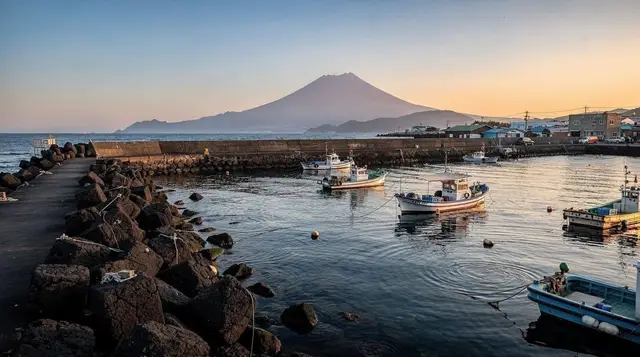
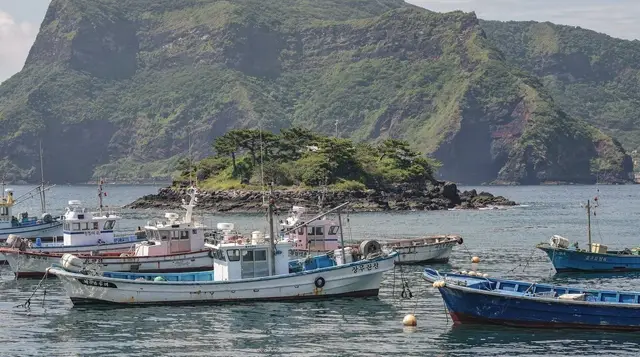
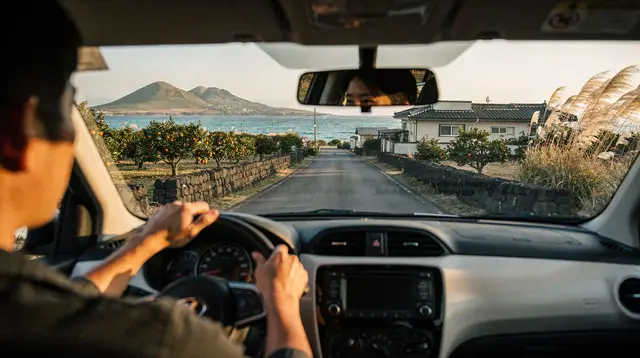
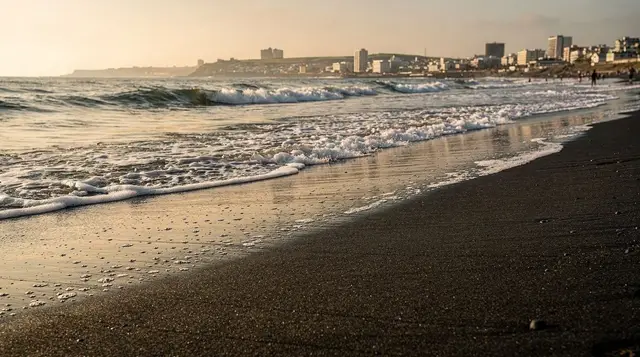

Pyoseon is best known for its beach, and specifically for what happens to it at low tide: the water pulls back far enough to expose a genuinely enormous stretch of hard-packed sand, turning what looks like a modest beach at high tide into one of the widest stretches of walkable coastline on the island. It’s a favorite for families for exactly this reason — shallow water, a huge safe area to run around in, and enough space that even a busy summer weekend doesn’t feel as packed as it would at a narrower beach.
| Where | East coast, between Namwon and Sinyang/Seongsan |
| Cost | Beach free; Seongeup Folk Village under ₩2,000 |
| Time needed | Half a day at the beach, a full day with Seongeup |
| Getting there | Car easiest; buses reach both beach and village |
| Best time | Summer, checked against low tide for the widest sand |
Pyoseon Beach
At low tide, Pyoseon Beach’s exposed sand flat can extend hundreds of meters out from the treeline, shallow enough in most places to wade well beyond where you’d expect to be swimming at a typical beach. This makes it particularly good for young children, though it’s worth checking the tide schedule if a specific look — wide exposed sand versus a fuller high-tide beach — matters to your plans. Summer brings official swimming season with lifeguard coverage in the marked safe zone; outside summer, it’s still a good beach walk, just not a swimming destination.
Seongeup Folk Village
A short drive inland from Pyoseon, Seongeup Folk Village preserves a cluster of traditional Jeju thatched-roof houses, stone walls, and a village layout largely unchanged since the Joseon dynasty, when it served as the administrative center for this part of the island. It’s one of the better places on Jeju to see traditional building techniques up close — thick stone walls built to withstand wind, thatched roofs tied down with rope netting rather than nails, and the distinctive jeongnang (wooden gate bars) system used to signal whether residents were home. Entry is modest, and the village remains partly inhabited rather than being a pure open-air museum. The Seongeup Folk Village guide covers the layout and what to look for.
The tidal flat ecosystem
Beyond recreation, Pyoseon’s wide tidal flats support a visible ecosystem of small crabs, shellfish, and shorebirds that becomes obvious the moment the tide goes out — a genuinely interesting stop for families with curious kids, even without any formal educational signage or facilities built around it. It’s the kind of unplanned nature encounter that a manufactured attraction couldn’t replicate as well.
Why Pyoseon’s tide range is so pronounced
The dramatic difference between Pyoseon’s high- and low-tide appearance comes down to the beach’s unusually gentle, gradual slope compared to steeper beaches elsewhere on the island — a shallow gradient means the water’s edge moves a much greater horizontal distance for the same vertical tide change than it would on a steeper beach. This is the same basic mechanism that creates the exposed tidal flats found at some of the world’s most famous tidal beaches, just on a smaller Jeju-appropriate scale.
What to bring for the exposed sand flat
If you’re planning to walk far out onto the exposed low-tide sand, water shoes are genuinely useful — the flats can have patches of soft mud, small shells, or the occasional sharp shell fragment, none of which are comfortable barefoot even though the sand itself is generally fine and soft.
Getting here
Pyoseon is about 55-65 minutes by car from CJU airport, along the coastal road (1132) between Namwon to the west and Sinyang and Seongsan continuing east. Seongeup Folk Village sits about 10-15 minutes inland via the cross-island route. Public buses reach Pyoseon from both Jeju City and Seogwipo, and the folk village is served by its own bus connections, though a car makes combining beach time with the inland village considerably easier in a single day.
Seongeup beyond the houses
The village also holds several centuries-old zelkova and hackberry trees officially designated as natural monuments, along with a small stretch of the original stone fortress wall that once ringed the settlement — details easy to walk past without noticing if you’re focused only on the traditional houses, but worth a slower look for anyone interested in the fuller picture of Jeju’s Joseon-era administrative history.
Where to stay
Pyoseon has a reasonable spread of family-oriented guesthouses and small hotels near the beach, running roughly ₩70,000-150,000/night, generally positioned as a calmer, less resort-heavy alternative to Jungmun for families who want beach access without the higher price tag.
Food in Pyoseon
Dining near the beach runs the usual mix of seafood restaurants and casual cafés, ₩10,000-20,000 per person, with a scattering of options near Seongeup Folk Village serving traditional Jeju dishes in a more historic setting, useful if you want the food experience to match the surroundings.
Budget for a Pyoseon day
The beach itself is free. Seongeup Folk Village entry is modest, typically under ₩2,000 for the main preserved area. A meal runs ₩10,000-20,000 per person. A full day covering the beach and the folk village comes to roughly ₩20,000-35,000 (about US$15-26) per person.
Combining Pyoseon with a full day
The natural pairing here is beach in the morning (or when the tide is favorable) and Seongeup Folk Village in the afternoon, or vice versa — the two attractions complement each other well since one is purely recreational and the other purely cultural, giving a day real variety without much driving between stops.
Checking tides before your visit
If the wide, low-tide sand flat is specifically what you’re after, check a tide table for the day rather than just showing up — the difference between visiting at high and low tide at Pyoseon is dramatic enough to change what kind of beach day you actually get.
Seasonal notes
Summer (June-September) is peak season for swimming, with the widest sand exposure timed around the lowest tides of the lunar cycle. Seongeup Folk Village is a year-round destination regardless of beach conditions, making Pyoseon a reasonable stop even outside beach season if the folk village is the priority.
Traditional Jeju architecture up close
Seongeup’s houses demonstrate building solutions specific to Jeju’s climate that are easy to miss without them pointed out: low, wind-resistant profiles to handle the island’s frequent strong winds, thick basalt stone walls (often stacked without mortar, using a technique that lets wind pass through small gaps rather than pushing the wall over), and thatched roofs secured with a distinctive rope-net pattern rather than nails, allowing quick repairs after storm damage. These details, taken together, explain why Jeju’s traditional buildings look meaningfully different from mainland Korean hanok architecture, shaped by an environment mainland builders never had to contend with.
The jeongnang gate system
One of Seongeup’s more charming and functional details is the jeongnang — a set of horizontal wooden bars set into stone gateposts, whose position communicated a household’s status to visitors without anyone needing to be present: all bars down meant someone was home, one bar up meant a short errand nearby, two bars up meant a longer absence, and all three bars up meant no one would return that day. It’s a genuinely clever pre-modern communication system, and several original examples remain visible in the preserved village.
Combining Pyoseon with the wider east coast
Pyoseon’s central position on the south-east coast makes it a reasonable midpoint stop between Namwon to the west and Sinyang and Seongsan to the east, useful if you’re stringing together a full day along this stretch rather than treating any single town as a dedicated destination.
Pyoseon at high tide versus low tide
| Tide | What you’ll see | Best for |
|---|---|---|
| Low tide | Hundreds of meters of exposed hard-packed sand | Long walks, tidal-flat wildlife, photos |
| Mid tide | Sand flat partially exposed, water closer in | Flexible visits without checking tables |
| High tide | A fuller, more conventional beach | Swimming in the marked summer zone |
Tours and getting around without a car
If you would rather not drive, a guided day can take care of the logistics. Some visitors book an east-coast bus tour that starts from Seogwipo and use it as a way to see several stops without handling transport. Others prefer more flexibility and choose an eastern tour paced for leisurely walkers, which suits families with young children who want time to wander. Our guide to private versus group day tours explains how to choose, and the best day tours roundup compares the options.
Where Pyoseon fits in your trip
Pyoseon works best as one stop on a wider loop of the east side. The East Jeju day tour guide and the East Jeju itinerary show how to string the coast together, while the East Jeju region page gives the bigger picture. If you are driving, the Jeju driving tips and the car rental with IDP guide cover what to sort out before you pick up the keys. Families planning around kids will find more ideas in the Jeju with kids planning guide, and the Jeju bus guide explains the public transport option. For other sandy stops nearby, see Sinyang Beach and the best beaches in Jeju.
Visiting Seongeup respectfully
Because Seongeup Folk Village remains partly inhabited, it’s worth treating the residential sections with the same courtesy you’d extend to any lived-in neighborhood — avoid peering directly into private homes or gardens beyond the clearly designated visiting areas, and keep noise down in the quieter lanes. Most of the village’s main preserved houses and public areas are set up for visitors, but a handful of buildings are genuinely someone’s home, not a museum exhibit, and treating the whole village as equally open to wander through can feel intrusive to the people who actually live there.
Pyoseon versus Jungmun for a family beach day
Families choosing between Pyoseon and Jungmun for a beach day are really choosing between two different atmospheres: Pyoseon’s shallow, gently sloping tidal flat is calmer and safer for young children to wander, with far less resort infrastructure and lower prices nearby, while Jungmun offers pool access, hotel amenities, and a livelier surf scene better suited to older kids or a resort-based stay. Neither is objectively better — it depends on whether you want a calm, low-cost beach day or a fuller resort experience.
Frequently asked questions about Pyoseon
Why does Pyoseon Beach look so different depending on when I visit?
Its unusually gentle slope means tide changes expose or cover a huge amount of sand — check tide times if a specific look matters to your visit.
Is Pyoseon Beach good for young children?
Yes, it’s one of the better family beaches on the island thanks to its shallow, wide tidal flats.
How far is Seongeup Folk Village from the beach?
About 10-15 minutes by car inland via the cross-island route.
Is Seongeup Folk Village still inhabited?
Yes, partly — it’s not a pure open-air museum, and some residents still live in the preserved area, which is worth keeping in mind as a visitor.
Do I need a car to visit both the beach and the folk village?
It’s much easier with one — both are served by public buses, but connections between them require some planning without your own transport.
Is Pyoseon Beach open for swimming year-round?
Official lifeguard-supervised swimming runs during the summer season; the beach itself is walkable year-round.
What’s a realistic full-day plan combining Pyoseon and Seongeup?
Beach time in the morning around low tide, lunch nearby, then Seongeup Folk Village in the afternoon before continuing east toward Seongsan or west back toward Seogwipo.
What is the jeongnang gate system at Seongeup?
A traditional signaling system using horizontal wooden bars set into stone gateposts, indicating whether a household was home, on a short errand, or away for the day — without anyone needing to be present to communicate it.
Why do Jeju’s traditional houses look different from mainland Korean hanok?
They incorporate wind-resistant design features — low profiles, mortar-free stacked stone walls, and rope-secured thatched roofs — specific to Jeju’s exposure to strong coastal winds, distinct from mainland building traditions.


