
Iho Tewoo
Iho Tewoo Beach is minutes from the airport, known for its red-and-white horse-shaped lighthouses and an easy sunset stop before a flight.
Quick facts
Top tours and experiences
We earn a small commission if you book through GetYourGuide — at no extra cost to you. Every tour is hand-picked and verified.
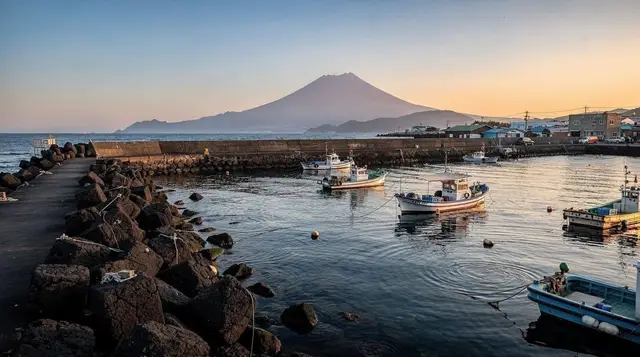
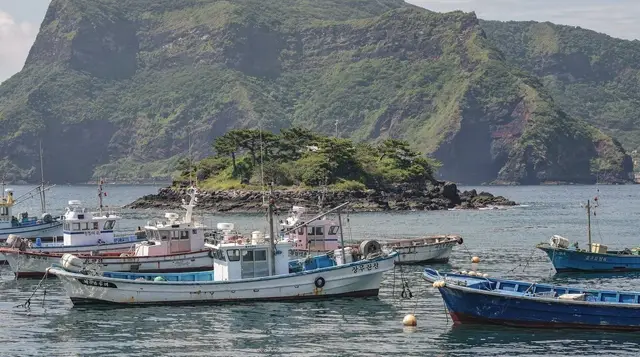
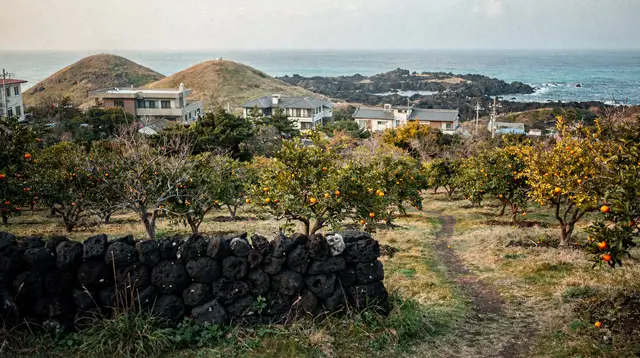
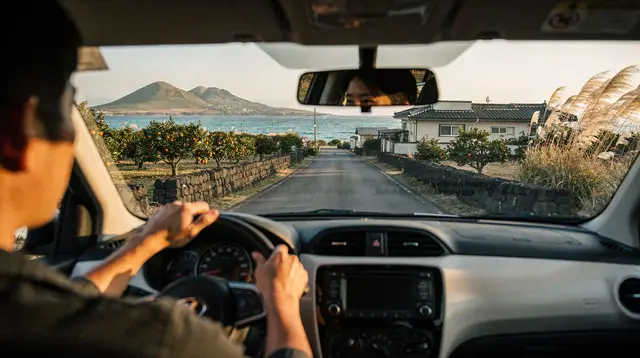
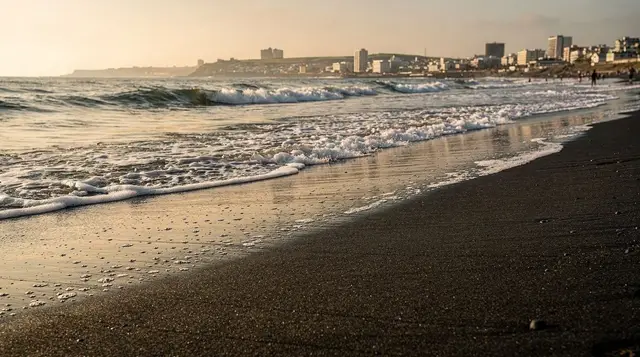
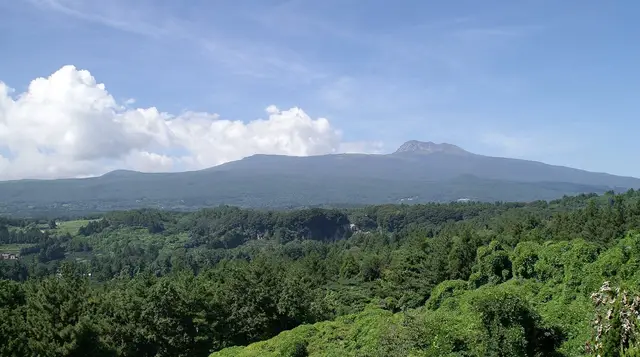
Iho Tewoo Beach sits just west of downtown Jeju City, close enough to CJU airport that it functions as the island’s most convenient sunset stop for anyone with a late flight or an early-morning departure the next day. Its defining feature — two lighthouses built in the shape of horses, one red and one white, standing at either end of the small pier — has made it one of the more recognizable, if modest, photo spots near the capital.
| Where | West of downtown Jeju City, near the airport |
| Cost | Free |
| Time needed | 1-2 hours |
| Getting there | 10-15 min drive from CJU airport |
| Best time | Golden hour, year-round |
The horse lighthouses
The lighthouses (referencing Jeju’s long history as a horse-breeding island — the animal appears throughout local folklore and place names) are functional navigation lights dressed up as sculptural landmarks, sitting at the ends of twin breakwaters that frame the beach. They’re a short, flat walk from the parking area, free to visit, and at their best in the last hour before sunset, when the sky and water pick up color behind the silhouetted horse shapes. It’s a five- to ten-minute photo stop for most visitors, not a place that demands hours, but the setting is genuinely more scenic than its short visit time suggests.
Getting here
Iho Tewoo is about 10-15 minutes by car or taxi from CJU airport and a similar distance from downtown Jeju City, making it the single most accessible beach-and-photo stop for anyone with limited time between a flight and other plans. It’s an easy add-on for a first evening after landing or a last stop before an evening departure — check in for your flight, then swing by for sunset before heading to the terminal.
The beach itself
Iho Tewoo’s beach is a mix of natural and partially reclaimed white sand, with generally calm, shallow water suitable for a casual swim in summer, though it’s smaller and less scenic than the island’s better beaches further from the city. Its real draw is proximity and the lighthouse photo opportunity rather than swimming quality — most visitors treat it as a scenic stop rather than a beach-day destination in its own right.
An easy sunrise or sunset add-on
Given how close Iho Tewoo sits to the airport, several hotel-pickup sunrise tours use this stretch of coast as a convenient staging point. Jeju Island: Sunrise Guided Tour with Hotel Pickup is worth considering if you’re staying nearby and want a guided sunrise experience without arranging your own transport in the dark — a genuinely practical option given how early a self-driven sunrise outing requires waking up.
Combining Iho Tewoo with an airport day
Because of its location, Iho Tewoo works particularly well bracketing a flight: arrive, drop bags, and catch sunset here on your first evening, or fit in a final walk before an evening departure on your last day. It requires no significant detour from the airport-to-city corridor most visitors already travel.
What’s nearby
Yongdam and its Yongduam rock formation sit just a few minutes further along the coast toward the airport, and downtown Jeju City (Dongmun Market, Tapdong) is a short drive east — both make natural pairings with an Iho Tewoo stop on the same outing.
Heading further east along the north coast, Samyang and Hamdeok offer more beach time if the lighthouses leave you wanting a longer stretch of sand, and the dedicated beach guide covers the practical details in a shorter format.
Planning the practical side
If you are landing or leaving without a car, the airport transfers guide and the Kakao T taxi guide explain how to get here simply, and the CJU airport guide helps you time the stop around check-in. For more on catching the light well, see sunrise and sunset photography on Jeju and the best sunrise spots roundup, and if you have a full day in the capital, one day in Jeju City shows how a lighthouse stop fits around the rest of the city.
Where to stay
Iho Tewoo has a scattering of small hotels and pensions, generally similar in price to airport-area Jeju City accommodation (₩70,000-120,000/night), appealing to visitors who want beach-adjacent lodging without the higher prices or crowds of the southern resort towns. It’s a practical choice for a first or last night given the short airport transfer.
Budget for a visit
There’s no fee to visit the beach, the lighthouses, or the breakwater walk — this is one of the few genuinely cost-free stops on the island. If you stop for food, a handful of small cafés and restaurants near the beach charge standard local prices, ₩8,000-15,000 for a light meal. Parking is generally available free or at low cost in a lot near the beach entrance, though it can fill on weekend evenings when the sunset crowd peaks.
Why this beach works so well for a tight schedule
Iho Tewoo’s real value is the combination of a genuinely scenic stop with almost zero logistical overhead — no entry fee, no advance booking, no significant detour from the airport corridor, and a short enough visit time that it fits into even a tightly packed arrival or departure day. For travelers debating whether a sunset stop is worth the effort on a limited-time layover or short first/last day, this is the lowest-friction option on the island for that specific need.
Comparing Iho Tewoo to Yongdam’s Yongduam
Both sites sit within a few minutes of each other along the same stretch of coast, and both center on a rock or structure with symbolic rather than purely scenic value — Yongduam’s dragon legend, Iho Tewoo’s horse-heritage lighthouses. Visitors with limited time often ask which to prioritize: Iho Tewoo’s lighthouses generally photograph better at sunset given their color and the framing of the breakwater, while Yongduam pairs more naturally with a Jeju City evening given its closer proximity to downtown.
A short evening plan
For a first evening after landing: check into accommodation near the airport or in Yongdam, then head to Iho Tewoo about an hour before sunset. Walk the length of both breakwaters to see each lighthouse, allow time for photos as the light changes, and finish with dinner at a nearby restaurant before returning to your hotel. The whole outing, door to door, takes about two hours and requires no advance planning beyond checking the sunset time for the day.
Seasonal notes
The lighthouse photo works in any season, though summer evenings (later sunset, warmer air) make for a more comfortable lingering visit than winter’s earlier sunset and stronger coastal wind. Swimming season is roughly June through August; outside that window, treat Iho Tewoo as a walking and photo stop rather than a beach day.
The horse symbolism, explained
Jeju’s association with horses runs deep — the island was historically a major horse-breeding center for the Korean mainland going back centuries, with semi-wild Jeju ponies (a distinct, smaller native breed) still grazing in parts of the island’s interior today, particularly around the Hallasan foothills. Iho Tewoo’s lighthouses lean into this heritage directly, and the name “Tewoo” itself relates to this equestrian history. It’s a small but genuine thread connecting a modern functional structure (a navigation light) to a much older piece of island identity, which is part of what elevates the site above a purely decorative landmark.
An honest assessment against expectations
Photos of Iho Tewoo circulating online, especially at golden hour with the lighthouses silhouetted, tend to oversell the site’s scale — it’s a small, quick stop, not a sprawling attraction. Visitors expecting a larger beach or a longer visit sometimes leave feeling like they’ve seen the whole thing in ten minutes, because they largely have. Set expectations accordingly: this is a specific, well-executed photo opportunity and a pleasant short walk, not a half-day destination, and it’s most valuable precisely because it delivers a strong visual payoff for very little time investment.
Combining with a longer coastal walk
For visitors wanting more than the ten-minute lighthouse stop, the coastline continues in both directions with additional walking paths — toward Yongdam to the east or further along the coast road toward Aewol to the west, both accessible by continuing along the same coastal route by car or, for the more ambitious, on foot for those staying nearby.
Best timed with an airport transfer, not a car rental
Because Iho Tewoo sits so close to CJU, it’s a genuinely useful stop for visitors arriving or departing without a rental car of their own — a taxi or rideshare detour of 10-15 minutes each way is a small addition compared to what the same visit would cost by rearranging a full day’s itinerary elsewhere on the island. Visitors who do have a rental car for their trip often fold Iho Tewoo into a first or last day’s driving loop rather than making a special taxi trip, but for anyone relying on public transport, taxis, or a pre-booked transfer, this is one of the few sights on Jeju genuinely worth a dedicated short detour rather than requiring a rental car to reach comfortably.
Iho Tewoo versus Yongdam’s Yongduam
| Iho Tewoo | Yongdam (Yongduam) | |
|---|---|---|
| Landmark | Horse-shaped lighthouses | Dragon Head Rock |
| Best light | Sunset (west-facing) | Either, closer to downtown |
| Distance from CJU | 10-15 min | Similar, closer to city center |
| Visit length | 30-60 minutes | 15-30 minutes |
Both are free, quick stops with a symbolic landmark rather than sweeping scenery — see the Yongdam guide for the dragon-legend side of the comparison.
Frequently asked questions about Iho Tewoo
Is Iho Tewoo worth a special trip, or just a stop on the way?
It’s best treated as a stop on the way to or from the airport rather than a dedicated destination — genuinely worth 30-60 minutes, not a full day.
What time should I go for the best lighthouse photos?
The hour before sunset gives the best light; midday sun is harsher and less flattering for photos of the horse-shaped structures.
Is Iho Tewoo good for swimming?
It’s swimmable in summer with generally calm water, but it’s smaller and less scenic than the island’s better beach destinations — most visitors come for the lighthouse view rather than the swimming.
How far is Iho Tewoo from the airport exactly?
About 10-15 minutes by car or taxi, making it one of the most convenient stops on the island for a short pre-flight or post-landing visit.
Can I walk to the lighthouses from a parking area?
Yes, it’s a short, flat walk on paved breakwaters — accessible for most visitors including families with young children, with reasonable care near the water’s edge.
Is there a fee to visit?
No, it’s a free public beach and walking area.
What else can I see nearby in a short window?
Yongdam’s Yongduam rock formation is a few minutes further along the coast, and downtown Jeju City is a short drive away if you have more than an hour to spare.
Is Iho Tewoo accessible for visitors with mobility limitations?
The main breakwater walkways are paved and relatively flat, making the site more accessible than many of Jeju’s coastal attractions, though surfaces can be uneven in places and there are no dedicated accessibility features beyond the general paved path.
Can I see both lighthouses from one vantage point?
Not fully — the red and white lighthouses sit at opposite ends of the beach on separate breakwaters, so seeing both closely requires walking the length of the beach between them, roughly 10-15 minutes each way.
Is there a fee to park near Iho Tewoo Beach?
Parking is generally free or available at a nominal cost in the lot nearest the beach — one of the reasons this stop works so well for a quick, low-friction visit around a flight.
Can I see Iho Tewoo on the way from the airport without adding much time?
Yes — it sits close enough to the standard airport-to-city route that a stop here adds only 15-20 minutes to a journey that would otherwise go directly to Yongdam or downtown Jeju City.
Do the lighthouses function as active navigation aids, or are they purely decorative?
They’re functional lighthouses that also happen to be built in a distinctive sculptural shape — the horse design is a deliberate aesthetic choice layered onto genuine maritime infrastructure, not a purely decorative installation.
Is Iho Tewoo a good spot for stargazing after sunset?
The site itself has some ambient light from nearby hotels and the airport, so it’s not an ideal dark-sky location, but the coastal setting still offers a reasonably clear view of the night sky compared to central Jeju City.


