
Sehwa
Sehwa holds one of Jeju's largest traditional 5-day markets alongside a quiet beach, a genuine break from the northeast coast's busier photo-strip towns.
Quick facts
Top tours and experiences
We earn a small commission if you book through GetYourGuide — at no extra cost to you. Every tour is hand-picked and verified.
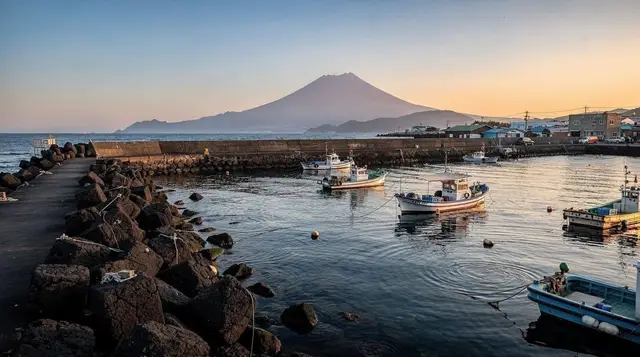
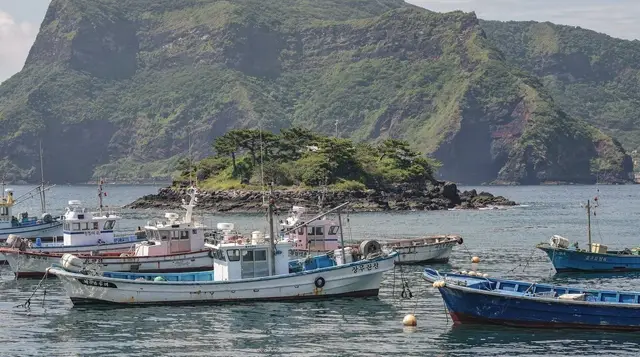
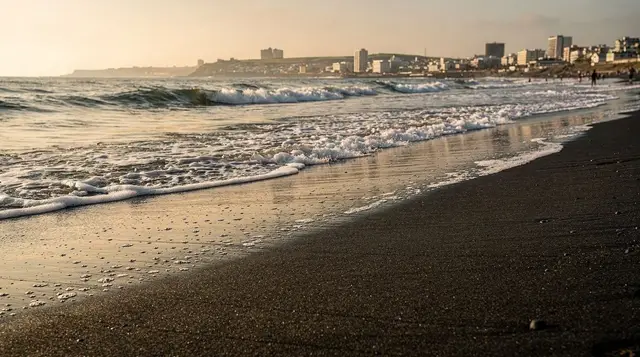
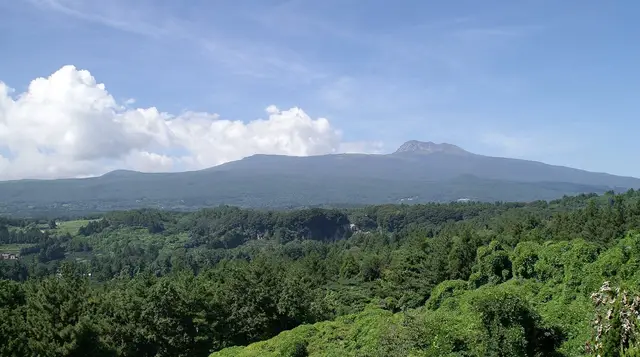

Sehwa is a coastal village on Jeju’s northeast shore that trades the photogenic cafés of nearby Woljeongri for something more functional and, in its own way, more interesting to travelers who want a real slice of local commerce: one of the island’s largest traditional 5-day markets, alongside a quiet beach that draws a fraction of the crowds its more famous neighbors do.
| Where | Northeast coast, about 45-55 min from CJU airport |
| Market days | Dates ending in 0 and 5 (5th, 10th, 15th, 20th, 25th, 30th) |
| Cost | Free entry; around ₩10,000-25,000 for a relaxed market visit |
| Time needed | Half a day, ideally timed to a market date |
| Best base | Woljeongri or Seongsan |
Sehwa Traditional Market
Jeju’s traditional markets operate on a rotating 5-day cycle — Sehwa’s market runs on dates ending in 5 and 0 (5th, 10th, 15th, 20th, 25th, 30th of the month), a system used across rural Korea long before fixed daily markets became common. On market days, stalls fill the streets around the permanent market building with fresh seafood, produce, dried goods, and prepared food, drawing both local shoppers and a smaller but steady stream of visitors interested in seeing genuine local commerce rather than a tourist-oriented version of one. Prices here run noticeably below what you’d pay at markets closer to Jeju City or Seogwipo geared more toward visitors, and haggling on non-food items is more culturally normal than at fixed-price tourist shops.
The beach
Sehwa’s beach is modest compared to the turquoise showpieces at Woljeongri or Gimnyeong, but it’s genuinely quiet, rarely crowded even in summer, and a reasonable spot for a swim without the parking hassle or café-strip commercialization found up the coast. It won’t be the photo highlight of your trip, but it’s a legitimate, low-key place to cool off.
The market’s role in the local economy
For many small-scale farmers and fishers in this part of the island, the 5-day market remains a primary sales channel — a direct route to customers that doesn’t depend on wholesale distributors or supermarket contracts. Buying directly at a stall here puts money more immediately into the hands of the person who grew or caught what you’re purchasing than a supermarket transaction would, a small but genuine difference for anyone interested in more direct forms of local economic support while traveling.
Getting here
Sehwa is about 45-55 minutes by car from CJU airport, on the coastal road (1132) between Woljeongri and Jongdal. Public buses run this stretch of coast from Jeju City with reasonable frequency, making Sehwa accessible without a car, though timing a visit to coincide with a market day requires checking the current schedule rather than just showing up on any given day.
Checking the market schedule
Because the market only operates on specific rotating dates, it’s worth confirming the current schedule before planning a visit specifically around it — dates occasionally shift around holidays, and showing up on an off day means missing the market entirely, with just the quieter permanent shops remaining open.
Practical shopping tips
Bring cash — many stalls at a traditional rural market like Sehwa’s don’t accept card payment, unlike most established restaurants and shops elsewhere on Jeju where card payment is now nearly universal. Small denominations make transactions smoother, since stall vendors may not always have change readily available for larger bills.
Where to stay
Sehwa has limited dedicated tourist accommodation — most visitors base in nearby Woljeongri or Seongsan, both a short drive away with far more lodging options, and visit Sehwa as a day stop, ideally timed to a market day.
Food in Sehwa
The market itself is the best food option on market days, with fresh seafood and prepared local dishes available directly from stalls at prices well below restaurant equivalents. On non-market days, a handful of standard local restaurants operate near the permanent market building, priced ₩10,000-16,000 per person.
Budget for a Sehwa visit
There’s no entry fee for the market or the beach. Market-day food and shopping can run anywhere from ₩5,000 for a quick snack to ₩20,000+ if you’re stocking up on seafood or produce to take with you. A relaxed half-day at the market and beach comes to roughly ₩10,000-25,000 (about US$7-19) per person, among the more affordable stops on the island.
Why bother with a market day over a beach day
If your Jeju itinerary has been heavy on beaches, cafés, and named natural attractions, a stop at a genuine working market like Sehwa’s offers something different — a look at how local commerce actually functions, away from any tourism-oriented packaging. It’s not a headline attraction, but it rounds out a trip that might otherwise be entirely curated experiences.
Combining Sehwa with a coastal day
Sehwa works well slotted between beach stops at Woljeongri and Jongdal, or as a market-day detour on the way to or from Seongsan. It’s not substantial enough to anchor a full day on its own, but timed correctly, it adds real texture to a coastal driving day.
Seasonal notes
The market operates year-round on its 5-day cycle regardless of season, though produce and seafood on offer shift with what’s in season. The beach is best in summer for swimming, though a quiet off-season walk has its own appeal given how few people visit outside the warmer months.
How Jeju’s 5-day market system works
Rather than a single fixed daily market, rural Jeju historically organized commerce around a rotating cycle of markets held in different towns on different days, so that traveling merchants and buyers could move between locations in a predictable pattern — a system still functioning today even as fixed supermarkets and convenience stores have become common across the island. Sehwa’s market is one of several such markets still operating on this cycle, alongside similar markets in other towns that rotate on different date combinations. Understanding this system explains why you can’t just show up at a rural Jeju market on any given day and expect the same experience — timing genuinely matters here in a way it doesn’t for a permanent commercial district.
What to look for at Sehwa’s market
Beyond fresh seafood and produce, Sehwa’s market typically includes stalls selling dried goods (dried fish, seaweed, and similar staples of the Jeju pantry), household items, clothing, and prepared street food — the full range of a genuine local market rather than a curated tourist selection. Seasonal produce shifts throughout the year, with citrus dominating in winter and a wider range of vegetables in summer.
Comparing Sehwa to Jeju City’s Dongmun Market
Dongmun Market in Jeju City operates daily and has become considerably more tourist-oriented over recent years, with English signage, prepared-food stalls catering specifically to visitors, and correspondingly higher prices. Sehwa’s market, by contrast, remains overwhelmingly local in character, with lower prices but also less accommodation for non-Korean-speaking visitors — a genuine trade-off between convenience and authenticity that’s worth knowing before you decide which market experience matters more to your trip.
Sehwa’s place among the northeast coast’s market towns
Several rural east-coast towns hold their own rotating-cycle markets beyond Sehwa’s, each serving its immediate surrounding villages — part of a network that predates the modern retail infrastructure now common in more urbanized parts of the island. Sehwa’s is among the more substantial of these, drawing shoppers from several nearby villages rather than serving only its immediate town, which is part of why it’s worth a special visit rather than treating every small-town market on the island as interchangeable.
Getting around without a car
Sehwa sits directly on the coastal bus route linking Jeju City to the northeast coast, so a rental car isn’t essential — check the Jeju bus guide for routes and typical frequency before relying on it for a market-day trip. The trade-off is flexibility: buses run on a fixed schedule, while the market’s own 5-day cycle already narrows your window, so pairing the two requires a bit more planning than driving yourself. Travelers building a car-free itinerary often combine Sehwa with other stops along the same route rather than treating it as a standalone destination.
Comparing Sehwa’s seafood to other Jeju markets
Sehwa’s stalls sell much of the same catch found at Jeju City’s bigger seafood markets, but at rural prices rather than tourist-district ones. If seafood shopping is a priority for your trip, the Jeju seafood markets guide rounds up the island’s main options and explains how Sehwa fits alongside them, while the Dongmun Market food guide covers the more visitor-oriented alternative in Jeju City for comparison.
Building a full day around Sehwa
On its own, Sehwa is a half-day stop, but it slots naturally into a longer northeast-coast loop. Travelers following an east Jeju itinerary or booking a structured east Jeju day tour can usually work in a market-day detour without derailing the rest of the plan, provided the market dates line up with the visit.
East Jeju full-day bus tour with entry fees includedIf you would rather not drive or juggle bus timetables
The market’s 5-day cycle and a fixed bus schedule make an awkward pair, and some travelers prefer to hand the logistics to someone else. A private day tour is the most flexible route, since the stops can be arranged around a market date; a customizable private van tour for a full day is the kind of option to look at if you want the market, the quiet beach and a few neighboring stops in one unhurried loop. If you would rather keep a gentle pace on foot, an eastern tour designed for leisurely walkers suits a visit that leaves time to wander. Check what each tour includes before booking, and confirm with the operator whether a market stop fits the day you have in mind.
For a wider view of the options, the best day tours guide compares the main formats, and the Jeju day trip planning basics in the first-time planning guide help you decide how much of the east coast to fit around a market morning.
Pairing the market with its neighbors
Because Sehwa is a half-day stop, the neighboring villages do most of the work of filling out the day. Hado and Gimnyeong sit along the same stretch of coast, and Gujwa gives you another local village to pass through. Heading south, Seongsan and its sunrise peak make a natural follow-up, while the Manjanggul lava tube and Bijarim forest are the kind of inland stops that balance a day of shopping and sea air. If the weather turns, the rainy day ideas are worth keeping in mind, since a covered market is easier to enjoy than an exposed viewpoint.
Travelers who like to eat their way along the coast can also pair the market with the black pork guide or the street food guide, and the food etiquette and tipping guide is handy before you sit down anywhere unfamiliar. For a broader look at the area, the East Jeju region page ties these villages together.
Frequently asked questions about Sehwa
When does the Sehwa market operate?
On a rotating 5-day cycle — typically dates ending in 5 and 0 — though it’s worth confirming the current schedule before planning a visit around it.
Is the Sehwa market worth visiting if I’m not planning to buy anything?
Yes, it’s worth a walk-through even just to see genuine local commerce, though most visitors end up buying at least a snack or some produce.
How does Sehwa’s beach compare to Woljeongri’s?
Much quieter and less developed, without the dense café strip — a legitimate but less dramatic alternative for a swim.
Do I need a car to visit Sehwa?
Not necessarily — public buses run this coastal stretch with reasonable frequency, though checking the market schedule matters more than transport logistics.
Is haggling expected at the Sehwa market?
It’s more culturally normal here than at fixed-price tourist shops, particularly for non-food items, though prices are already reasonable to begin with.
What’s the best nearby town to stay in for a Sehwa day trip?
Woljeongri or Seongsan, both a short drive away with more lodging options.
Is Sehwa worth a special trip if it’s not a market day?
It’s a reasonable, quiet beach stop even off-market-days, but the market is genuinely the highlight — timing your visit to a market day is worth the extra planning if possible.
How does Sehwa’s market compare to Jeju City’s Dongmun Market?
Sehwa’s is more local and less tourist-oriented, with lower prices but less English-language accommodation; Dongmun is more convenient for visitors but noticeably more commercialized.
What is the 5-day market cycle used across rural Jeju?
A traditional rotating system where different towns hold markets on different days within a 5-day cycle, historically allowing traveling merchants to move between locations in a predictable pattern — still in use today alongside modern fixed retail.
Can I get to Sehwa by public bus?
Yes — Sehwa sits on the coastal bus route between Jeju City and the northeast coast, with reasonably frequent service; check the current timetable if you’re timing your trip to a specific market date.
Is Sehwa worth combining with a structured day tour?
Yes, if the tour’s schedule allows a market-day stop — an east Jeju day tour or bus tour covering the northeast coast can usually accommodate a Sehwa detour without major disruption to the rest of the itinerary.


