
Samyang
Samyang is a Jeju City neighborhood known for its black-sand beach, a traditional summer sand-bath spot just east of downtown.
Quick facts
Top tours and experiences
We earn a small commission if you book through GetYourGuide — at no extra cost to you. Every tour is hand-picked and verified.
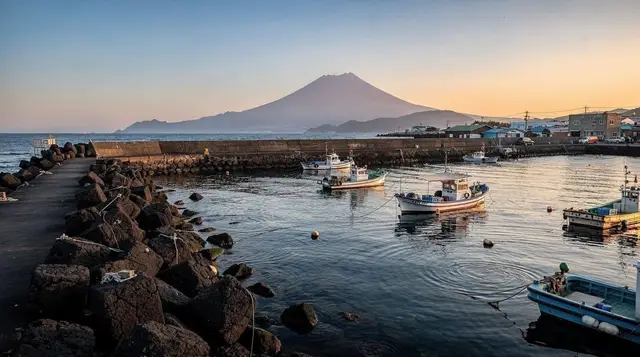
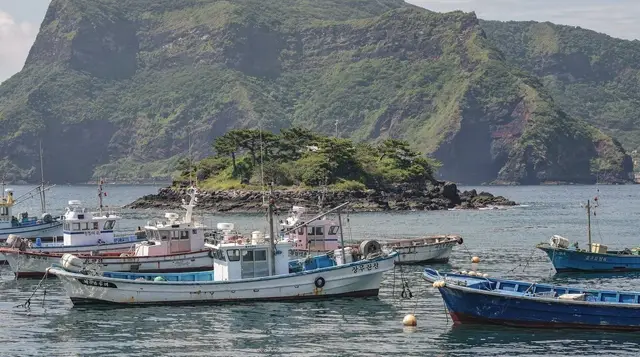
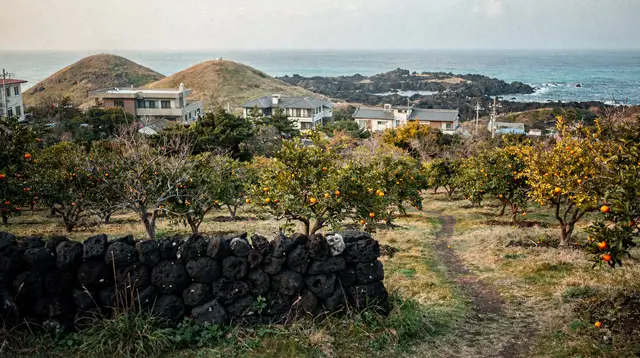
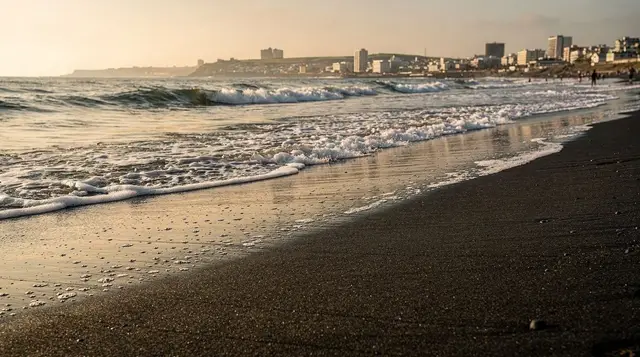
Samyang is a coastal neighborhood on the eastern edge of Jeju City proper, close enough to downtown to feel like an extension of the capital rather than a separate destination, and known almost entirely for one thing: a black-sand beach where a genuinely old local tradition of therapeutic sand bathing still draws crowds every summer.
| Where | Eastern edge of Jeju City, 15-20 min from CJU airport |
| Cost | Free — no entry fee for the beach |
| Time needed | A few hours |
| Getting there | Taxi, city bus, or a short drive from downtown |
| Best time | July-August for the sand bath; any season for a walk |
The black-sand beach
Samyang Beach’s sand is a fine, dark volcanic grain, distinctly different from the white or pale sand of most other Jeju beaches, and hot enough under a summer sun to support a decades-old local practice: burying yourself, or at least your legs, in the heated sand for its supposed therapeutic benefits — relief for joint pain and improved circulation are the claims most often made, rooted in traditional practice rather than clinical evidence. Whether or not the health claims hold up, the ritual itself is a genuine piece of local culture, not a tourist invention, and July and August see the beach filled with locals doing exactly this, often with makeshift sand mounds and umbrellas set up for the day.
Outside of sand-bath season, Samyang functions as a simple, workable city beach — swimmable, walkable, with none of the crowds or infrastructure of the resort beaches further south. It won’t rival Hyeopjae or Jungmun for scenery, but it’s a genuinely local experience close to where most visitors are already staying.
Getting here
Samyang is about 15-20 minutes by car or taxi from CJU airport, and closer still — under 15 minutes — from downtown Jeju City, making it one of the most accessible beach stops on the island if you’re based in the capital. City buses connect Samyang to central Jeju City reasonably well, one of the few beach destinations in this region where public transit is a genuinely practical option rather than an afterthought.
Why it’s worth a stop, briefly
Samyang isn’t a destination that needs a dedicated day — most visitors fold it into a Jeju City stay as a half-day or even shorter stop, either for a swim, a walk along the black sand, or (in summer) to see the sand-bath tradition in action. Its real value is convenience: it’s the closest genuine beach experience to the airport and downtown, useful if your schedule doesn’t allow for a drive to the more scenic but farther-flung beaches in west or east Jeju.
What to bring
If you’re trying the sand bath yourself, bring a towel, water, and sun protection — the sand’s heat-retention that makes it good for the tradition also means it’s genuinely hot underfoot at midday in summer, and prolonged exposure without breaks or hydration isn’t advisable in Jeju’s summer humidity.
Nearby stops
Samyang sits between Yongdam and the airport to the west and Jocheon and Hamdeok to the east, making it an easy add-on to a north-coast day trip without a significant detour. It’s also close enough to downtown Jeju City to combine with a Dongmun Market visit or an evening at Tapdong seafront on the same day.
Where to stay
Samyang has limited dedicated tourist accommodation compared to downtown Jeju City or the more developed beach towns further out — most visitors stay in central Jeju City and treat Samyang as a short excursion rather than an overnight base. A handful of smaller local guesthouses exist for those who prefer a quieter, residential neighborhood feel over the city center.
The tradition, in more detail
The sand-bath practice at Samyang involves burying the legs or lower body in sand that’s been heated by direct summer sun, typically for 15-30 minutes at a time, with practitioners often repeating the process a few times over an afternoon. It’s most commonly practiced by older residents managing joint pain, though younger visitors and tourists increasingly try it out of curiosity. There’s no formal facility or fee involved — people simply dig their own spot in the sand, sometimes bringing a small shovel or using their hands, and the practice is entirely self-directed rather than run as an organized activity.
Budget for a Samyang visit
There’s no entry fee for the beach itself. A light meal or snack at one of the small local restaurants nearby runs ₩8,000-12,000 per person — noticeably cheaper than beach-town dining in more developed tourist areas. Parking near the beach is generally free or low-cost. A casual half-day visit, including a snack, costs well under ₩20,000 (about US$15) per person, making Samyang one of the most budget-friendly stops on the island.
A practical half-day plan
For visitors staying in Jeju City with a free afternoon, Samyang works well paired with a downtown stop: spend the morning at Dongmun Market, take a short taxi or bus ride to Samyang for an hour or two at the beach (trying the sand bath in summer, or simply walking the shore in other seasons), and return to the city for dinner. This keeps the day efficient without requiring a full excursion dedicated solely to the beach.
Comparing Samyang to Iho Tewoo
Both Samyang and Iho Tewoo sit close to Jeju City and the airport, but they serve different purposes: Samyang for its distinctive black sand and local sand-bath tradition, Iho Tewoo for its photogenic lighthouses and sunset views. Visitors with time for only one should choose based on which specific feature interests them more, since both are quick, low-commitment stops rather than full-day destinations.
Seasonal notes
The sand-bath tradition is specifically a summer (July-August) phenomenon, timed to when the sand retains the most heat from the sun. Outside those months, Samyang functions as a quiet, uncrowded beach walk rather than a place with a specific seasonal event — worth knowing if the sand-bath experience is the reason for your visit, since a spring or autumn trip won’t include it.
The neighborhood beyond the beach
Samyang is primarily a residential district of Jeju City rather than a purpose-built tourist area, and that shows in the surrounding streets: apartment blocks, small local grocery shops, and neighborhood restaurants that serve residents first and visitors second. This isn’t a criticism — it’s part of why the beach retains its unpolished, local character rather than having been redeveloped into a resort strip. Visitors who enjoy seeing how Jeju residents actually live day to day, rather than only the version of the island built for tourism, will find Samyang a useful reminder of that everyday reality sitting just minutes from the airport.
An honest comparison to the island’s better-known beaches
It’s worth being direct: if scenic beauty alone is the goal, Samyang loses to Hyeopjae, Jungmun, or even Hamdeok. Its water isn’t as clear, its sand isn’t the postcard white of the west coast, and its facilities are minimal. What it offers instead is convenience and a genuine cultural practice that most tourist beaches don’t have — the sand-bath tradition is not staged for visitors, and seeing it (or trying it) gives a more textured sense of local life than a swim at a more scenic but more commercialized beach. Choose Samyang for that reason, not for the water itself.
Getting back to the airport or downtown
Because of its short distance from both, Samyang works equally well as a stop on the way in from the airport (drop by before checking into a hotel) or the way out (a final local experience before an evening flight). Taxis and Kakao T are reliable here given the short distances involved, and city buses connecting to central Jeju City run with reasonable frequency throughout the day.
Weekday versus weekend at Samyang
Weekday visits, especially outside the July-August sand-bath peak, are noticeably quieter than weekends even in the residential off-season, since Samyang draws mostly local Jeju City residents rather than island-wide tourist traffic. If a calm, uncrowded stop is the priority, a weekday morning or early afternoon is the more reliable choice; weekends bring a fuller mix of local families, particularly once the sand-bath season is underway.
Samyang’s tangerine-belt surroundings
Inland from the beach, Samyang’s residential streets give way fairly quickly to small tangerine orchards typical of the wider Jeju City hinterland, a reminder that even neighborhoods this close to downtown retain a genuinely agricultural edge. It’s not a destination in itself, but worth noticing on a drive through if you’re curious how much of Jeju’s citrus production sits closer to the capital than the more commonly cited orchards further south and east.
Who Samyang actually suits
Samyang isn’t the right choice for a visitor whose priority is Jeju’s most scenic beach — that’s a straightforward loss to Hyeopjae or Jungmun. It’s the right choice for anyone with limited time near the airport or downtown, anyone curious about a genuinely local summer tradition rather than a manufactured tourist experience, or anyone who simply wants a low-cost, low-effort break between other Jeju City activities. Being clear about which of those you’re optimizing for makes the decision easy.
Samyang’s role in a first-day or last-day itinerary
Jet-lagged arrivals and tight departure-day schedules both benefit from a low-commitment stop like Samyang — there’s no ticket, no advance booking, and no risk of missing a scheduled slot the way a ticketed attraction or tour would carry. Arriving into CJU in the morning with a hotel check-in not until afternoon, or facing a few free hours before an evening flight home, are both genuinely good uses for a Samyang stop: enough to feel like you’ve done something local and worthwhile, without the planning overhead a more structured sight would require.
Timing a Samyang visit around your flight
Because of its short distance from CJU airport, Samyang works well slotted either right after arrival, before checking into a hotel, or right before departure on a late flight — a genuine local experience that doesn’t require carving out a dedicated half-day elsewhere in the itinerary. This makes it one of the more efficient uses of otherwise-dead transit time on a Jeju trip.
Getting around without a car
Samyang suits travelers who would rather not rent a vehicle. The Jeju bus guide explains how the city network works, and Kakao T is the easiest way to call a taxi for the short hop from downtown. If you arrive by air, the CJU airport guide and the airport transfers guide cover the first leg. Anyone who does plan to drive should read car rental with an IDP before booking.
Pairing Samyang with a market or a tour
A morning at the market is the natural companion to a beach stop here. Our guides to Dongmun Market food and Dongmun Market culture help you plan the first half of the day. If you would rather have someone guide you through the stalls, a guided culinary journey through a traditional market is one way to do it, and it leaves the afternoon free for the beach.
When you want to see more of the island than the north-coast edge, a group tour saves you the logistics. a full-day east Jeju bus tour with entry fees handled covers the sights that Samyang is too close to the city to offer. Our east Jeju day tour guide and the east Jeju itinerary show what that side of the island looks like. To decide between joining a group or going alone, see private versus group day tours.
Sea-women culture, a short trip east
Samyang’s sand-bath tradition is a piece of everyday coastal life, and the island’s best-known coastal tradition is the haenyeo, the women divers. Read haenyeo diving women culture for the background. For a guided version, an east Jeju day tour that includes a woman-diver show combines the culture with other eastern stops.
Planning the rest of your trip
Samyang is a small piece of a larger plan. The first-time Jeju planning guide and the how many days in Jeju page help you place a stop like this. For the summer sand-bath season, the Jeju summer guide and the Jeju safety guide cover heat and sea conditions. If you are comparing beaches, read about Hyeopjae Beach, Hamdeok Beach and Jungmun Saekdal Beach. Families can look at the Jeju with kids guide, and the Jeju black pork BBQ guide is a good dinner idea back in the city.
Frequently asked questions about Samyang
Is the black sand actually good for your health?
The therapeutic claims are rooted in long-standing local tradition rather than rigorous clinical evidence, but the practice itself is genuine and widely observed among Jeju locals every summer — worth trying as a cultural experience regardless of the medical claims.
How does Samyang compare to Jeju’s other beaches?
It’s smaller and less scenic than Hyeopjae or Jungmun, but far more convenient if you’re based in Jeju City, and it offers a genuinely local experience (the sand bath) that beach-resort towns don’t.
Can I visit Samyang without a car?
Yes — it’s one of the more accessible beach destinations by public bus from central Jeju City, unlike most of the towns covered in this region.
Is Samyang crowded?
It gets busy with locals during peak sand-bath season (July-August) but stays quiet the rest of the year.
How long should I plan to spend in Samyang?
A few hours is enough for most visitors — it’s a convenient half-day stop rather than a destination requiring a full day.
Is Samyang good for swimming?
It’s swimmable and calm enough for a casual dip, though it’s not chosen primarily for water quality or scenery the way beaches further from the city are.
What else can I combine with a Samyang visit?
It pairs naturally with a Jeju City day (Dongmun Market, Tapdong seafront) or a longer north-coast drive toward Jocheon and Gujwa.
Is Samyang suitable for a family with young children?
Yes for a shallow, calm swim in summer, though facilities are basic — bring your own shade, towels, and water, since the beach doesn’t have the infrastructure of a resort-style family beach.
Are there restrooms and showers at Samyang Beach?
Basic public facilities operate seasonally, more reliably during the summer swimming and sand-bath season than the rest of the year — don’t expect extensive amenities outside of peak season.
Does Samyang have any historical significance beyond the sand bath?
The neighborhood is a long-established residential district of Jeju City with roots predating the modern tourism industry, and the sand-bath tradition itself is a genuine multi-generational local practice rather than a recent tourism invention, which is part of what distinguishes it from more manufactured beach attractions elsewhere.
What time of day is best for the sand bath?
Midday through early afternoon, when the sand has had the most direct sun exposure and retains the most heat — mornings and evenings are noticeably cooler and less effective for the practice.
Is it possible to combine Samyang with an oreum hike nearby?
Yes — several smaller volcanic cones sit within a short drive of Samyang toward the interior, offering an easy pairing of beach time and a quick climb for visitors with a half-day rather than just an hour to spend in the area; see the best oreums guide for nearby options.
Does Samyang have a night market or evening activities?
No dedicated night market exists here — for evening entertainment, downtown Jeju City, a short drive or bus ride away, is the better option with its restaurants, bars, and Tapdong seafront promenade.


