
Eorimok (Hallasan)
Eorimok is Hallasan's western trailhead, a gentler non-summit route toward Witse Oreum, popular for winter scenery and shorter hikes.
Quick facts
Top tours and experiences
We earn a small commission if you book through GetYourGuide — at no extra cost to you. Every tour is hand-picked and verified.



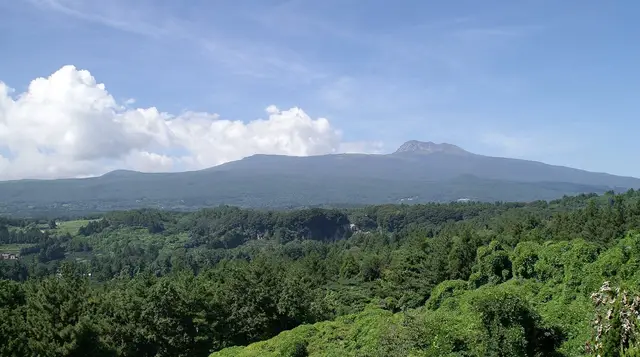

Eorimok is the western trailhead of Hallasan National Park, generally considered the gentlest of the mountain’s four trails and, notably, one that does not reach the summit crater rim — its path climbs toward Witse Oreum, a viewpoint below the peak, making it a shorter and less demanding option for hikers who don’t need or want a full Hallasan summit attempt.
| Where | Hallasan’s western slope, near the 1100 road |
| Cost | Free to hike; crampon rental ₩5,000-10,000/day in winter |
| Time needed | Half a day, 3-5 hours round trip to Witse Oreum |
| Getting there | 40-50 min drive from Jeju City |
| Best time | December-February for snow scenery; spring/autumn for comfortable hiking |
The trail from this side
Unlike Seongpanak and Gwaneumsa on the eastern side, which reach Baengnokdam crater lake at the true summit, the Eorimok Trail connects toward Witse Oreum from the western slope — a real hike with genuine elevation gain and scenery, but a fundamentally different, shorter commitment than a summit attempt. Round trip typically runs 3-5 hours depending on how far along the route you go, considerably less than the 8-9 hour commitment of a summit trail. Full details are in the Eorimok Trail guide and the complete Hallasan hiking guide, which compares all four trails side by side.
Winter scenery
Eorimok’s relatively gentle grade and shorter distance make it a particularly popular choice in winter, when the mountain’s upper slopes take on snow and frost scenery without requiring the longer, more demanding commitment of a summit trail in icy conditions. Jeju Island: Hallasan Mountain Winter Scenery Guided Tour operates from this side of the mountain specifically for that reason, bundling transport and a guide familiar with winter trail conditions — a genuine advantage when ice and reduced daylight tighten the margins for a safe hike.
No reservation system, but check current rules
Since Eorimok doesn’t reach the summit, it generally isn’t subject to the same online reservation and hiker-quota system that governs the Seongpanak and Gwaneumsa summit trails — but trail access rules on Hallasan have shifted before and can change again, particularly around weather closures or ecological protection measures, so confirm current requirements before your visit rather than assuming no restrictions apply.
The 1100 Highland area nearby
Eorimok sits near the broader 1100 highland region on Hallasan’s western slopes, home to the 1100 Highland Wetland, a high-elevation wetland ecosystem worth a stop if you’re driving the cross-island 1100 road regardless of whether you hike the Eorimok trail itself. This makes the Eorimok area a reasonable stop even for visitors not planning a dedicated hike.
Getting here
Eorimok trailhead is about 40-50 minutes by car from Jeju City, somewhat further than the Seongpanak or Gwaneumsa trailheads, and closer to west Jeju towns than the eastern access points. Public bus service is limited on this route; a car or a guided tour is the more reliable way to reach the trailhead, particularly for an early winter start when timing matters.
Guided tours versus hiking independently
While Eorimok doesn’t require the reservation logistics of the summit trails, a guided option still has value, particularly in winter — Jeju Island: Hallasan Mountain Winter Scenery Guided Tour pairs local knowledge of current ice and snow conditions with transport from Jeju City, removing the need to drive icy mountain roads yourself during the season when this trail is most rewarding.
What to pack for Eorimok
Even for a shorter, non-summit hike, layering matters — temperatures at Eorimok’s higher elevations run noticeably cooler than the coast, and wind exposure increases as the trail climbs toward Witse Oreum’s more open terrain. Sturdy footwear remains important given uneven, sometimes root-covered or rocky sections, even though the overall grade is gentler than the summit trails. In winter, checking whether crampons or additional traction gear are advisable for current conditions is worth doing before setting out, since ice can form on shaded sections of trail even when lower elevations show no snow at all.
Trail markers and navigation
The Eorimok Trail is well-marked with distance signage at regular intervals, making independent navigation straightforward for most hikers without needing a guide, unlike some of the less-trafficked oreum trails elsewhere on the island. This clear marking is one more reason Eorimok suits solo or first-time Hallasan-area hikers comfortable with self-guided walks.
A shorter option within Eorimok itself
For visitors who want an even lighter version of the Eorimok experience than the full route to Witse Oreum, the trail’s lower sections offer a shorter loop through forest that captures some of the same ecological variety without the additional elevation gain toward the viewpoint. This works well for families with young children or anyone specifically wanting a gentle forest walk rather than a hike with a defined destination and elevation goal.
How Eorimok fits into a broader Hallasan strategy
For visitors planning multiple days around Jeju’s central highlands, a common approach pairs an Eorimok or Yeongsil hike on one day (lower commitment, easier logistics) with a full Seongpanak or Gwaneumsa summit attempt on another, ideally with a rest day or lighter sightseeing day between the two given how physically demanding a genuine summit attempt is. This staged approach reduces the risk of attempting a hard summit hike while still fatigued from a previous day’s exertion.
Choose Eorimok if a shorter, gentler hike with genuine scenery — without the reservation pressure and full-day commitment of a summit attempt — fits your schedule better; choose Seongpanak if reaching the actual crater rim summit is the goal. Fitness level, available time, and whether “I climbed Hallasan” specifically means the true summit for you are the practical deciding factors.
Where to stay
There’s no lodging directly at the Eorimok trailhead — it’s a day-use access point. Visitors typically base themselves in Jeju City, Seogwipo, or one of the west Jeju towns and drive in for the day.
Budget for an Eorimok hike
The trail itself is free to hike, with no reservation fee. Winter guided tours bundling transport and a guide cost more than hiking independently but remove the logistics burden around ice conditions and trailhead access, particularly valuable in winter when self-driving in snow or ice adds real risk. Crampon rental, if needed, runs ₩5,000-10,000 for the day near trailheads offering it.
Seasonal notes
December-February is Eorimok’s signature season, when snow and frost transform the upper trail into some of the most striking winter scenery on the island, accessible without a full summit commitment. Spring and autumn offer comfortable temperatures and clearer long-distance views. Summer brings lush greenery but also more cloud cover obscuring the higher elevations later in the day.
Parking and arrival
Eorimok’s trailhead has a dedicated parking area, generally sufficient outside of the busiest winter-snow-scenery weekends, when demand for the guided winter tours and independent hikers alike can fill the lot by mid-morning. Arriving earlier in the day, particularly in the December-February peak window, avoids both parking difficulty and the more crowded trail conditions that build later in the morning.
Witse Oreum, the trail’s destination
Witse Oreum, the viewpoint the Eorimok Trail leads toward, offers wide views back over the western side of Hallasan and, on clear days, out toward the coast and west Jeju’s lower terrain. It’s a genuine hiking destination in its own right rather than just a consolation for not reaching the true summit — many hikers who’ve already summited Hallasan via Seongpanak or Gwaneumsa return specifically to hike Eorimok for a shorter, different-angle experience of the mountain.
Why Eorimok suits a wider range of visitors
Because it doesn’t require the online reservation system, the strict gate-time pressure, or the full-day commitment of a summit attempt, Eorimok works for visitors with less flexible schedules, families with children who couldn’t manage a 9-hour hike, or anyone simply wanting a genuine mountain hiking experience without the logistics overhead of the summit trails. This accessibility is a real strength, not a lesser substitute — plenty of experienced hikers choose Eorimok deliberately rather than as a fallback.
The drive along the 1100 road
The 1100 road connecting Jeju City’s side of the island to the west coast passes directly by the Eorimok trailhead, and the drive itself, climbing through Hallasan’s western foothills, is scenic enough to be worthwhile even for visitors not planning to hike — particularly in winter, when snow blankets the roadside forest, or in autumn foliage season. This makes Eorimok a natural stop for anyone already driving this route between Jeju City and west Jeju, rather than a dedicated detour.
Wildlife and forest ecology
The forest surrounding the Eorimok Trail supports a range of native Jeju flora and fauna, including roe deer occasionally spotted by early-morning hikers and a diverse understory that shifts noticeably with elevation as the trail climbs from lowland forest toward the more exposed, subalpine terrain near Witse Oreum. This ecological variety within a relatively short hike is one of Eorimok’s underappreciated qualities compared to the more singularly focused summit-attempt framing of the Seongpanak and Gwaneumsa trails.
Combining Eorimok with west Jeju sightseeing
Given its position on Hallasan’s western slope, Eorimok pairs naturally with a day that also covers Hallim, Hyeopjae, or other west-coast stops — a morning hike followed by an afternoon at the beach, or vice versa, makes efficient use of a day based in this part of the island without the backtracking a Seongpanak-plus-west-coast combination would require.
Fitness level realistically needed
Eorimok’s shorter distance and gentler grade make it accessible to a wider range of fitness levels than the summit trails, but it’s still a genuine hike, not a paved stroll — expect uneven, sometimes root-covered terrain, real elevation gain toward Witse Oreum, and 3-5 hours on your feet round trip. Most reasonably active adults manage it comfortably without dedicated hiking training, and it’s a realistic option for older children with some hiking experience, though very young kids may find the full route to Witse Oreum long. For visitors unsure whether they’re ready for even this shorter trail, the forest loop through Eorimok’s lower sections offers a genuine taste of the hike at a fraction of the time and effort commitment.
Hallasan’s four trails compared
| Trail | Reaches summit? | Distance | Round trip time |
|---|---|---|---|
| Eorimok | No (to Witse Oreum) | Shorter route | 3-5 hours |
| Yeongsil | No (to Witse Oreum) | Similar to Eorimok | 3-5 hours |
| Seongpanak | Yes | ~9.6km one way | 8-9 hours |
| Gwaneumsa | Yes | ~8.7km one way | 7-8 hours |
Eorimok and Yeongsil both approach Witse Oreum from opposite sides of the mountain rather than reaching Baengnokdam crater lake; the full Hallasan hiking guide and the dedicated Eorimok Trail guide break down elevation profiles and current conditions for all four in more depth.
Frequently asked questions about Eorimok
Does the Eorimok Trail reach Hallasan’s summit?
No — it climbs toward Witse Oreum, a viewpoint below the crater rim, not the true summit reached by the Seongpanak and Gwaneumsa trails.
Do I need a reservation to hike Eorimok?
Generally no, since it isn’t a summit trail, but confirm current access rules before visiting since requirements have shifted over time.
How long does the Eorimok hike take?
Roughly 3-5 hours round trip depending on how far along the trail you go, considerably shorter than a full summit attempt.
Is Eorimok good for winter hiking?
Yes, it’s a popular choice specifically for winter snow scenery given its gentler grade and shorter distance compared to the summit trails.
Can I combine an Eorimok visit with the 1100 Highland Wetland?
Yes, both sit along the same western highland area of Hallasan, making it reasonable to visit the wetland even without hiking the full trail.
Which is easier, Eorimok or Yeongsil?
Both are considered relatively gentle non-summit trails; Eorimok is generally regarded as the gentlest of Hallasan’s four routes overall.
What will I see at Witse Oreum?
Wide views over Hallasan’s western slopes and, on clear days, out toward the coast and west Jeju’s lower terrain — a genuine scenic destination, not just a consolation stop short of the summit.
Can I see wildlife on the Eorimok Trail?
Roe deer are occasionally spotted by early-morning hikers, alongside a range of native forest plant life that changes noticeably with elevation along the route.
Is the drive to Eorimok trailhead worth doing even without hiking?
Yes, the 1100 road passing through Hallasan’s western foothills is scenic in its own right, particularly during winter snow or autumn foliage, making it worthwhile even as a scenic drive.


