
Seopjikoji
Seopjikoji is a windswept cape near Seongsan — grazing horses, a lighthouse, and a coastline famous as one of Jeju's best-known K-drama backdrops.
Quick facts
Top tours and experiences
We earn a small commission if you book through GetYourGuide — at no extra cost to you. Every tour is hand-picked and verified.
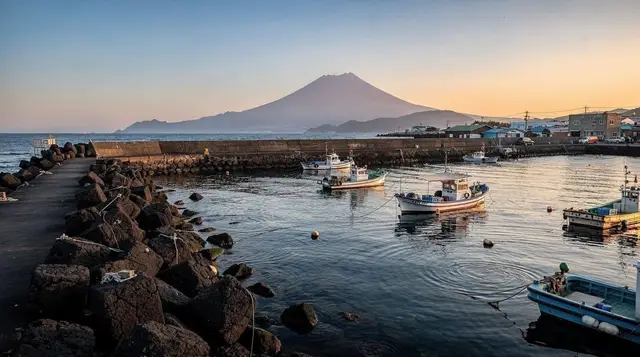
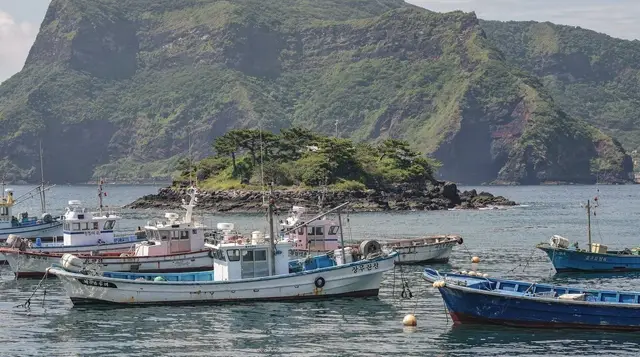
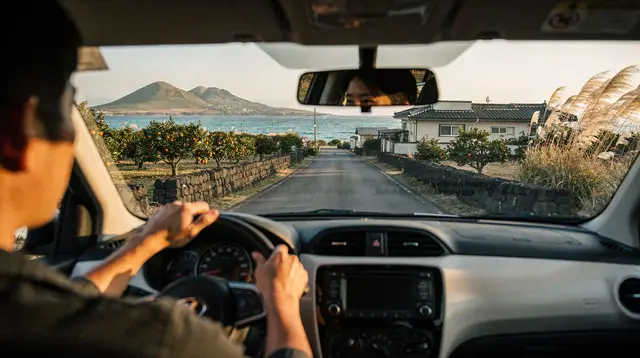
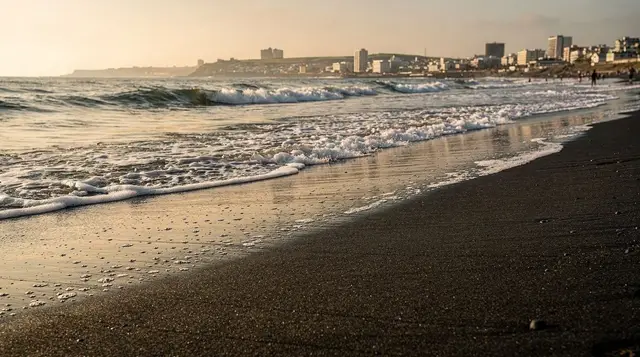
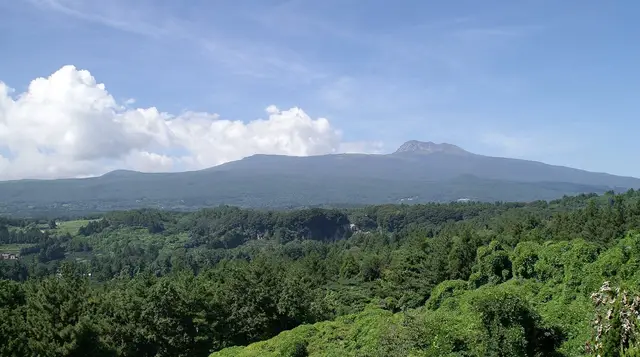

Seopjikoji is a narrow cape jutting into the sea a short drive east of Seongsan, its grassy clifftop grazed by horses and lined with a walking path that takes in a lighthouse, a small seaside shrine, and — on a clear day — a direct view back toward Seongsan Ilchulbong’s silhouette across the water. It’s become one of Jeju’s most recognizable filming locations, most famously for the K-drama “All In,” which cemented Seopjikoji’s status as a pilgrimage stop for Korean domestic tourists well before international visitors caught on.
| Where | East coast, about 10 min from Seongsan |
| Cost | Nominal fee (around ₩1,000-2,000) for path and/or parking |
| Time needed | 1-2 hours |
| Best time | Late afternoon into sunset |
| Pair with | Seongsan Ilchulbong, same day |
The clifftop walk
The main path runs along the cape’s edge for about a kilometer, flat and easy underfoot, past open pasture where horses often graze right up to the fence line, to a red-and-white lighthouse (Seopjikoji Lighthouse) marking the cape’s tip. Wind here is nearly constant and often strong — Seopjikoji translates roughly to “narrow point sticking out,” and the exposure shows in how consistently the grass bends flat. Bring a windbreaker even on an otherwise calm day elsewhere on the island; this stretch of coast tends to run its own weather.
Yumeori and the Glass House
Near the cape, a striking glass-and-concrete building known locally as the Glass House (designed by the architect behind several notable Jeju structures) houses a café and viewing platform overlooking the coastline — a good stop if the wind on the open clifftop gets to be too much. The surrounding grassland, sometimes called Yumeori, is where much of the area’s K-drama filming took place, and the combination of pasture, cliff, and distant volcanic cone views explains why location scouts keep coming back.
K-drama and photography
Seopjikoji’s specific claim to fame is “All In” (2003), one of Korean television’s most internationally recognized dramas, and the cape has appeared in numerous productions since. The K-Drama Filming Locations guide covers Seopjikoji alongside other Jeju sites tied to specific shows, and Best Photography Spots in Jeju covers the technical side of shooting here — the wide-open grassland and consistent wind make for dramatic but sometimes difficult conditions for photography, especially with a tripod.
Jeju: Eastern UNESCO Sites Tour with Haenyeo Show and Jeju: Eastern UNESCO Join-in Tour (Seongsan, Haenyeo Show) both include Seopjikoji as part of a broader eastern day tour alongside a haenyeo diving demonstration, useful if you want the area’s cultural context alongside the scenery.
Views of Seongsan Ilchulbong
One of Seopjikoji’s underrated draws is the distant view back toward Seongsan Ilchulbong across the water — on a clear day, the cone is visible as a distinct silhouette from several points along the cape, offering a different photographic angle than the closer views from Gwangchigi Beach at Ilchulbong’s own base.
Why this specific stretch of coast attracts filmmakers
Beyond “All In,” Seopjikoji’s combination of open grassland, a dramatic sea cliff edge, a distinctive lighthouse, and a backdrop volcanic cone gives location scouts a rare cluster of visually distinct elements within walking distance of each other — most Jeju coastal spots offer one or two of these, not all four. That density of usable backdrop within a single, easily accessed location explains why the cape keeps reappearing in productions well beyond the drama that first made it famous, and why it’s become a specific pilgrimage stop for fans of Korean television rather than just a generic scenic overlook.
The contrast with Seongsan’s crowds
Ilchulbong’s summit trail is a managed, ticketed, single-direction hiking experience with a genuine physical climb involved. Seopjikoji, by contrast, is a flat, open, unticketed walk that visitors can wander at their own pace in any direction — the two sites, despite sitting minutes apart, offer genuinely different textures of experience, which is part of why pairing them in a single day works so well rather than feeling repetitive.
Getting here
Seopjikoji is about 65-75 minutes by car from CJU airport, roughly 10 minutes east of Seongsan along the coastal road. Given the short distance, nearly everyone visits Seopjikoji as a paired stop with Seongsan Ilchulbong rather than as a standalone trip — the combination of a morning or dawn climb at Ilchulbong followed by a late-afternoon walk at Seopjikoji is one of the most natural itinerary pairings on the entire island. Public buses connect the two, though a rental car or taxi makes the connection faster and more flexible.
What to bring
Given the near-constant wind, a light windproof layer makes a bigger difference here than at almost any other Jeju coastal stop, even on days that feel mild elsewhere. Sunglasses help too, since the open grassland offers no shade and reflects a fair amount of light off both the grass and the sea on clear days.
Where to stay
Most visitors stay in Seongsan proper, a short drive away with far more lodging options, rather than seeking accommodation directly at Seopjikoji, which has minimal dedicated tourist infrastructure of its own beyond cafés and the Glass House.
Food near Seopjikoji
A handful of cafés cluster near the cape’s entrance and the Glass House, serving coffee and light meals at ₩8,000-15,000, catering to the steady flow of day visitors rather than offering a full dining scene. For a proper meal, most visitors head back to Seongsan’s harbor-area restaurants.
Budget for a Seopjikoji visit
Entry to the cape’s walking path is typically free or a nominal fee (around ₩1,000-2,000 depending on current management), with parking usually a separate small charge. A café stop runs ₩8,000-15,000. A visit here, paired with Seongsan, adds relatively little to a day’s budget beyond transport and a coffee.
Combining Seopjikoji with a day out
The standard pairing is Seongsan Ilchulbong plus Seopjikoji in a single day, but the cape also combines well with a continuation to Sinyang further along the coast, or a stop at Gimnyeong’s beach and Manjanggul on the way back toward Jeju City.
Seasonal notes
Seopjikoji’s wind makes it a genuinely different experience depending on the season — bracing in winter, still noticeably breezy but more comfortable in spring and autumn. The grassland’s color shifts from green in summer to a golden-brown in autumn and winter, changing the character of photographs taken at different times of year.
The lighthouse and its history
Seopjikoji Lighthouse, a working aid to navigation rather than a purely decorative structure, marks a genuinely important point for vessels navigating this stretch of coast, where currents and the exposed cape geography have historically made passage tricky in poor weather. The current structure is a modern build, but lighthouses have marked this point for navigational safety for decades, reflecting how much shipping and fishing traffic has always passed this specific corner of the island.
The horses of Seopjikoji
Grazing horses are one of the cape’s most photographed features, part of Jeju’s long tradition of horse breeding — the island has raised horses since at least the Goryeo dynasty, when Mongol occupiers established large-scale ranching operations here that shaped the island’s horse culture for centuries afterward. The horses at Seopjikoji today are generally part of managed grazing operations rather than wild animals, though they roam with enough freedom to make encountering them along the path feel spontaneous.
A quieter version of the walk
Most visitors cluster around the parking area and the first few hundred meters of the path nearest the Glass House. Walking the full length to the lighthouse and back thins the crowd considerably, and the sections closer to the tip of the cape are noticeably calmer than the entrance area, even during busy periods.
Seopjikoji versus other Jeju clifftop walks
Seopjikoji isn’t the island’s only dramatic cape, and knowing how it differs helps decide whether it earns a spot on a tight itinerary. Jusangjeolli Cliff near Jungmun offers hexagonal basalt columns rather than open grassland — a more geological experience than a pastoral one. Yongmeori Coast in the southwest has a tide-dependent shoreline walk with its own dramatic rock formations. Seopjikoji’s particular draw is the combination of grazing horses, a lighthouse, and the distant Ilchulbong silhouette in one easy, flat walk — genuinely distinct from either alternative rather than a lesser version of them.
Building Seopjikoji into a wider east-coast day
Beyond the standard Seongsan pairing, a fuller east-coast day can add the Manjanggul lava tube or a stop at Bijarim Forest on the drive back toward Jeju City. Travelers following a structured plan often use the east Jeju itinerary as a starting template and slot Seopjikoji in during the late-afternoon window it suits best. For those without a rental car, the private vs group day tours guide explains how a guided option can bundle Seopjikoji with Seongsan and the haenyeo show without needing to drive yourself.
Frequently asked questions about Seopjikoji
Is Seopjikoji worth visiting separately from Seongsan?
Not really as a separate trip — it’s close enough (about 10 minutes) that visiting both in the same outing makes far more sense than a dedicated visit to either alone.
Why is Seopjikoji windy?
Its narrow, exposed cape geography catches wind from multiple directions more consistently than most other coastal points on Jeju — dress in layers even if the forecast looks calm elsewhere.
What K-drama was filmed at Seopjikoji?
Most famously “All In” (2003), though the cape has appeared in numerous other Korean productions since.
Is there an entry fee for Seopjikoji?
A nominal fee typically applies for the walking path and/or parking, considerably less than Ilchulbong’s ₩5,000 entry.
Can I see Seongsan Ilchulbong from Seopjikoji?
Yes, on a clear day, the cone is visible as a distinct silhouette across the water from several points along the cape.
Is Seopjikoji suitable for a quick stop if I’m short on time?
Yes — 1-2 hours is enough to walk the main path, see the lighthouse, and get a coffee at the Glass House.
What’s the best time of day to visit for photos?
Late afternoon into sunset, when the light is warmer and the day-trip crowds have generally thinned.
Are the horses at Seopjikoji wild?
They’re generally part of managed grazing operations connected to Jeju’s long horse-breeding tradition, rather than truly wild animals, though they move around the pasture with real freedom.
Is the walk to the lighthouse worth doing if I’m short on time?
Yes, if you can spare it — the sections closer to the lighthouse are noticeably quieter than the entrance area near the Glass House.
How does Seopjikoji compare to Jusangjeolli Cliff?
They’re different experiences — Jusangjeolli is a geological site with hexagonal basalt columns, while Seopjikoji is an open, grassy clifftop walk with horses and a lighthouse; both are worth doing if your itinerary covers both coasts.
Can I visit Seopjikoji without a car?
Yes, public buses connect it with Seongsan, though a rental car or taxi is faster and more flexible given how short the distance is between the two.


