
Hallim
Hallim is west Jeju's port town — Hallim Park's caves and gardens, dolphin-watching boats, and the gateway to Hyeopjae and Gwakji beaches.
Quick facts
Top tours and experiences
We earn a small commission if you book through GetYourGuide — at no extra cost to you. Every tour is hand-picked and verified.



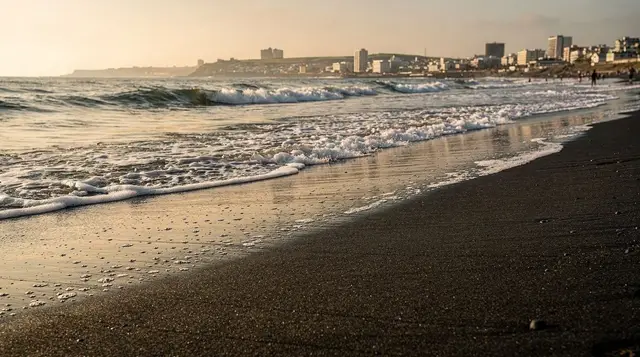
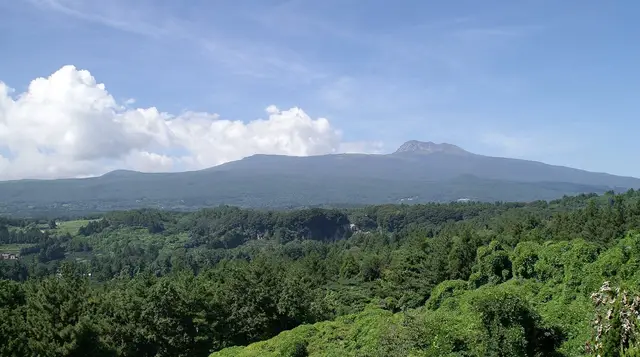

Hallim is a working port town on Jeju’s northwest coast, built around one of the island’s larger fishing harbors and best known to visitors for Hallim Park, a combined botanical garden and lava tube cave complex that’s been open since 1971. It sits between Aewol’s café coast to the north and the white-sand beaches of Hyeopjae and Gwakji just south, making it a natural anchor point for a west-coast day.
| Where | Northwest Jeju coast, between Aewol and Hyeopjae |
| Cost | Park entry around ₩17,000; dolphin boat ₩30,000-45,000 |
| Time needed | Half a day for the park; a full day with a beach |
| Getting there | 30-35 min drive from CJU airport |
| Best time | Any season for the park; calmer mornings for dolphin boats |
Hallim Park
The park combines subtropical gardens, a small folk-village recreation, a bonsai collection, and — the real draw — Hyeopjae and Ssangyong Caves, two lava tube caves smaller and more accessible than Manjanggul on the east side of the island. Ssangyong Cave in particular has an unusual dual character: it formed as a lava tube but later developed limestone features (stalactites) from overlying shell-sand deposits, a geological rarity worth the modest ₩17,000 entry fee on its own. The gardens are pleasant but secondary to the caves — most visitors spend 90 minutes to two hours covering the full complex at an unhurried pace.
Dolphin-watching boats
A resident pod of Indo-Pacific bottlenose dolphins frequents the waters off Hallim and the wider northwest coast, and boat tours departing from Hallim’s harbor run regular dolphin-spotting trips, often combined with a scenic run past Biyangdo island offshore. Jeju West: Small Group Healing Tour w/Caves & Dolphins bundles a Hallim Park visit with a dolphin-watching boat trip in one booking — a sensible pairing since both sit within a few minutes of each other. Sightings are common but genuinely not guaranteed; morning departures on calmer seas tend to have better odds than choppy afternoon crossings, and no operator can promise a dolphin encounter.
Hallim Port and the harbor market
Hallim’s harbor is one of the larger working fishing ports on Jeju’s west coast, with boats coming and going through the morning and a small market area selling the day’s catch. It runs on the traditional Korean five-day market cycle common to rural Jeju towns, with a wider spread of stalls (produce, dried fish, household goods) on market days than the everyday harbor-side shops. It’s a useful, unpolished counterpoint to the more manicured tourism of Hallim Park a few minutes’ drive inland.
Garlic fields and west-coast agriculture
The countryside around Hallim and neighboring Hangyeong is one of Jeju’s main garlic-growing areas — in late spring the fields turn a distinctive green before harvest, a quieter agricultural landscape that contrasts with the more famous canola and cherry-blossom blooms elsewhere on the island. It’s not a dedicated sightseeing draw, but worth noticing on a coastal drive through the area, particularly April through May.
Getting here
Hallim is about 30-35 minutes by car from CJU airport along the coastal road, roughly 10-15 minutes further south than Aewol. Public buses run this route from Jeju City, though at a lower frequency than routes into the capital — a rental car remains the more reliable option for a tight schedule, particularly if you’re planning to continue on to Hyeopjae, Gwakji, or the Sanbangsan cluster the same day. From Seogwipo, expect roughly 40-50 minutes via the southern coast road.
Combining Hallim with the beaches
Hyeopjae and Gwakji beaches sit just 5-10 minutes south of Hallim by car, and the natural itinerary here is Hallim Park in the morning (cooler, less crowded, and dolphin-boat seas tend to be calmer earlier in the day) followed by an afternoon at one of the two beaches. Both beach towns have their own destination pages with specific facilities and crowd-timing notes.
Where to stay
Hallim has a modest but growing range of small guesthouses and pensions, generally cheaper than the boutique properties clustered around Aewol’s café strip, useful if you want a quieter, more local-feeling base on the west coast within easy reach of the beaches. Most visitors treat Hallim itself as a half-day stop rather than an overnight base, opting instead to stay closer to Hyeopjae or Gwakji if beach access matters, or in Aewol if café culture is the priority.
Budget for a Hallim visit
Hallim Park entry runs around ₩17,000 per adult, one of the pricier single-site tickets on the island but bundling gardens, folk village, and two caves into one admission. A basic dolphin-watching boat trip runs separately, typically in the ₩30,000-45,000 range per person depending on operator and trip length, or as part of a bundled tour. A simple seafood meal near the harbor runs ₩15,000-25,000 per person. A half-day covering the park and a light lunch comes to roughly ₩35,000-45,000 (about US$26-34) per person before any boat tour.
Seasonal notes
Hallim Park is a reliable any-season stop, with the caves maintaining a cool, constant underground temperature regardless of surface weather. Dolphin-watching boats run year-round but are most comfortable in spring and autumn; summer swells and winter wind can make for a rougher, less pleasant crossing even when the boats still operate. The garlic fields are at their most visually distinct in April-May, just before harvest.
The park’s history
Hallim Park opened in 1971, reclaimed from what was originally marginal coastal farmland, and its long operating history shows in the maturity of the subtropical gardens — palms and cycads that have had five decades to grow into a genuine canopy rather than the newer, still-filling-in plantings seen at some of Jeju’s more recently opened attractions. The two caves were incorporated into the park later, opened to the public after their geological significance (particularly Ssangyong’s dual lava-tube-and-limestone structure) was documented. This makes Hallim Park one of the older continuously operating tourist attractions on the island, distinct from the newer museum-and-café attractions clustered elsewhere.
Ssangyong Cave’s geology in more depth
What makes Ssangyong genuinely unusual, not just locally marketed as such, is the sequence of its formation: molten lava first carved the tube in the standard way lava tubes form across Jeju, but afterward, calcium-rich water percolating down through an overlying layer of wind-blown shell sand deposited limestone formations — stalactites and related features — inside what is fundamentally a volcanic structure.
Limestone cave features essentially never form inside lava tubes elsewhere in the world, because lava tubes usually lack the calcium source; Jeju’s shell-sand dunes provide exactly that source in a few specific spots, and Ssangyong is the best-documented example open to the public. If you only have time for one of the two caves at Hallim Park, Ssangyong is the more scientifically distinctive stop, though Hyeopjae Cave’s more classic lava-tube chambers are worth seeing for comparison.
A practical half-day itinerary
Arrive at Hallim Park by mid-morning, allowing roughly two hours for the gardens and both caves at an unhurried pace. From there, walk or drive the short distance to the harbor for a dolphin-watching boat departure — late morning tends to have calmer water than an afternoon slot, improving both comfort and sighting odds. Finish with lunch at one of the harbor-adjacent seafood restaurants before continuing on to Hyeopjae or Gwakji beach for the afternoon. This sequencing — caves first while cool and uncrowded, boat trip while seas are calmer, beach last when the sun is highest — makes efficient use of a single day without excessive backtracking.
Getting here by public bus
Jeju’s intercity bus routes connect Jeju City to Hallim, generally taking 45-60 minutes depending on the route and number of stops — noticeably longer than the 30-35 minute drive time, since these routes serve multiple towns along the way. Buses run at reasonable but not high frequency; check current schedules before relying on this option for a tightly timed dolphin-tour departure, since a missed connection could mean waiting a while for the next bus.
Family visits
Hallim Park is one of the more reliably family-friendly stops in west Jeju — flat, stroller-accessible pathways through most of the gardens, caves that are cool and novel for children without being physically demanding, and a folk village recreation that gives a hands-on sense of traditional Jeju life. The dolphin-watching boats are a genuine highlight for children, though motion sickness is worth considering for younger kids on days with any swell; asking the operator about typical conditions before booking is reasonable if you’re unsure.
Hallim Park versus Manjanggul
Visitors deciding between Hallim Park’s caves and Manjanggul on the east side of the island should know they’re genuinely different experiences: Manjanggul is a single, much longer lava tube (roughly 7km total, about 1km open to walking) with a dramatic, cathedral-scale main passage and a famous lava column at its end. Hallim Park’s two caves are shorter and more intimate, but Ssangyong’s limestone-over-lava-tube geology is scientifically rarer than anything in Manjanggul. If you’re only visiting one, Manjanggul delivers a more visually dramatic single passage; Hallim Park delivers more variety (two distinct cave types plus gardens and a folk village) in one ticket and one location, and sits much closer to the airport and west-coast beaches.
What first-time visitors often miss
Many visitors rush through the gardens to get to the caves, but Hallim Park’s bonsai collection — decades-old specimens trained over years — is worth a slower look, particularly for anyone with an interest in the craft. The folk village recreation section, easy to skip in favor of the more headline-grabbing caves, gives a useful, hands-on sense of traditional Jeju thatched-roof architecture and stone wall construction that pairs well with the more formal exhibits at Jeju Folk Village elsewhere on the island, if your itinerary includes both.
Parking and practical notes
Hallim Park has an on-site parking lot, generally sufficient outside of the busiest holiday weekends, when overflow parking along the surrounding roads becomes necessary. The harbor area for dolphin-watching boats has more limited parking, given its function as a working port rather than a purpose-built tourist facility — arrive a little early if you have a specific boat departure time to avoid a last-minute scramble for a parking spot.
Dolphin-watching etiquette and welfare notes
The dolphins off Hallim are wild, not captive — a genuinely different proposition from marine parks elsewhere, and one worth understanding before booking a boat. Responsible operators keep a respectful distance, avoid chasing or crowding a pod, and cut the engine to drift rather than pursuing dolphins that are moving away. If a boat’s approach feels aggressive or the dolphins visibly change direction to avoid it, that’s worth noting for future travelers and avoiding on a repeat visit. Choosing an operator that emphasizes patient, distant observation over guaranteed close encounters generally produces both a more comfortable experience for the animals and, ironically, better sightings over time, since undisturbed pods stay in an area longer.
Hallim Park versus Manjanggul, side by side
| Hallim Park caves | Manjanggul | |
|---|---|---|
| Cave type | Two caves: lava tube + rare limestone-over-lava-tube | Single, longer lava tube |
| Length open to visitors | Shorter, more intimate | ~1km of a ~7km system |
| Extras | Gardens, bonsai, folk village | None — cave only |
| Distance from CJU | 30-35 min | Further east, near Gimnyeong |
Manjanggul wins on dramatic scale; Hallim Park wins on variety and proximity to the airport and west-coast beaches. Full details on the east-side cave are in the Manjanggul guide.
Seeing Hallim as part of a wider west-coast plan
Hallim works best as one stop in a longer sweep of the west, and the surrounding pages help you decide how much to fit around it. The West Jeju day tour guide and the West Jeju itinerary both lay out how the coast fits together, while the broader West Jeju region page gives the overview. If you would rather not drive, a west-side bus tour that starts from the Seogwipo side of the island hands the logistics to someone else, and a sightseeing day tour covering both the western and southern coasts suits travelers who want a wider taste of the island in a single day. Our private versus group day tours guide explains how to choose between the formats.
Nearby stops are easy to add. Hyeopjae Beach and Gwakji Beach have their own guides, Aewol is the natural café stop to the north, and the Aewol café guide helps you pick one. If caves are your main interest, the lava tubes explained article gives useful background before you go, and families will find more ideas in the Jeju with kids guide. For the car side of the trip, read the driving and road trip tips, and if you are still working out your base, the where to stay guide compares the options across the island. Travelers building a longer trip can start from the first-timer itinerary.
Frequently asked questions about Hallim
Is Hallim Park worth the entry fee?
Yes for most visitors — the two lava tube caves, particularly Ssangyong’s unusual limestone-over-lava-tube geology, are genuinely more interesting than the gardens alone, and the combined ticket covers a reasonable two-hour visit.
Are dolphin sightings guaranteed on the boat tours?
No — a resident pod frequents these waters and sightings are common, but no operator can guarantee an encounter on any given trip. Treat it as a good-odds bonus, not a certainty.
How long should I plan for Hallim Park?
90 minutes to two hours to see both caves and the gardens at an unhurried pace, less if you’re focused only on the caves.
Can I walk to Hyeopjae Beach from Hallim Park?
No, it’s a short drive (5-10 minutes) rather than a walking distance, though both are easily combined in a single half-day with a car.
Is Hallim a good base for exploring west Jeju?
It’s serviceable but not the most scenic base — most visitors prefer staying closer to the beaches at Hyeopjae or Gwakji, or in Aewol for café access, and treating Hallim itself as a daytime stop.
Do I need a car to visit Hallim?
A car or taxi is strongly recommended given limited bus frequency on this stretch of coast, especially if combining Hallim with the nearby beaches or continuing further south the same day.
Is Hallim a good rainy-day option?
Yes — the two caves stay dry and comfortable regardless of surface weather, making Hallim Park one of the more reliable stops on a rainy west-coast day, though the dolphin-watching boats are more weather-dependent and may not run in poor conditions.
What should I wear inside the caves?
Sturdy, closed-toe shoes are worth having given uneven, sometimes damp cave floors, and a light layer helps since the underground temperature runs noticeably cooler than the surface air, particularly in summer.


