
Hado
Hado holds Jeju's Haenyeo Museum and the history of the 1932 haenyeo resistance movement, alongside a quiet beach and wind-farm coastline.
Quick facts
Top tours and experiences
We earn a small commission if you book through GetYourGuide — at no extra cost to you. Every tour is hand-picked and verified.
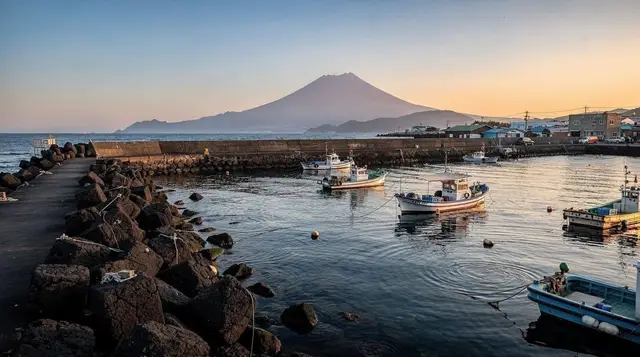
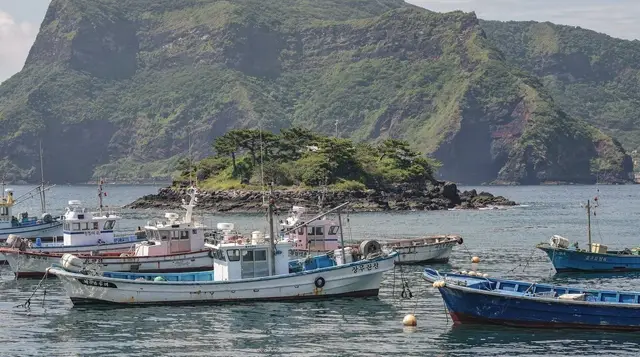
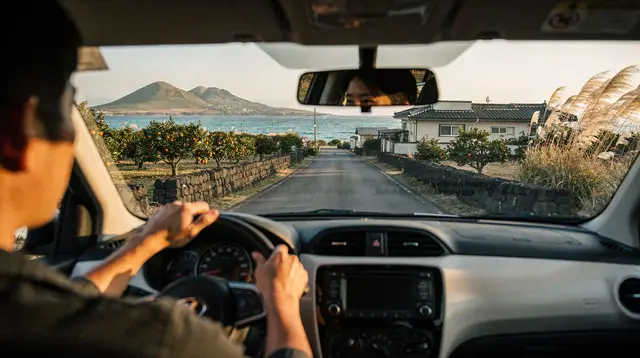
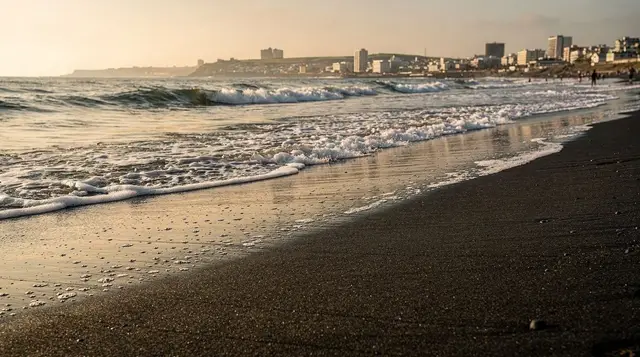
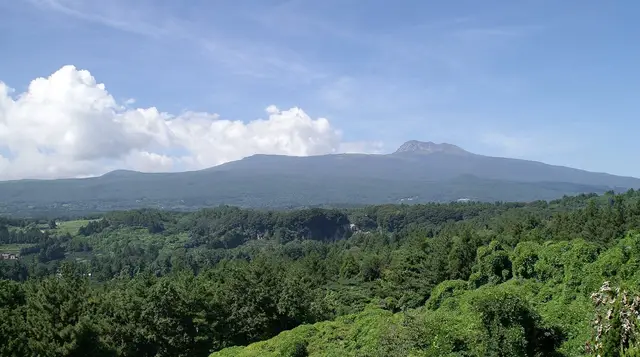

Hado is a quiet coastal village on Jeju’s northeast shore best known for one thing that carries genuine historical weight: it’s the heart of Jeju’s haenyeo (sea-women diver) heritage, home to the island’s dedicated Haenyeo Museum and the site of one of Korean history’s most significant grassroots protests, largely overlooked outside academic circles despite its scale and importance.
| Where | East-Jeju coast, between Woljeongri and Seongsan |
| Cost | Museum under ₩2,000; seafood meal ₩15,000-28,000/person |
| Time needed | Half a day, combined with nearby beach towns |
| Getting there | 45-55 min drive from CJU airport via coastal road 1132 |
| Best time | Any season; morning for a quieter museum visit |
Haenyeo Museum
The Haenyeo Museum in Hado documents the tradition of Jeju’s free-diving women, who for centuries have harvested seafood — abalone, sea urchin, octopus, and more — without breathing apparatus, diving in waters year-round regardless of season. UNESCO recognized haenyeo culture as an Intangible Cultural Heritage of Humanity in 2016, and the museum here does the best job on the island of explaining both the physical practice (the diving techniques, the distinctive whistling sound divers make when surfacing, called sumbisori) and the social structure that made haenyeo communities matriarchal in a way that was unusual for traditional Korean society.
Entry is modest, typically under ₩2,000, and the museum includes recreated diving huts, tools, and video testimony from working and retired haenyeo. Jeju East: Small Group Healing Tour w/Woman Divers Show includes a haenyeo diving demonstration alongside other east-Jeju healing-tourism stops, a good way to see the tradition in action after learning its history at the museum.
The 1932 haenyeo resistance movement
Less widely known internationally, Hado was the epicenter of a major 1932 protest movement in which thousands of haenyeo organized against exploitative Japanese colonial fishing cooperatives that were systematically underpaying divers for their catch. It became one of the largest women-led collective actions in Korean anti-colonial history, involving an estimated 17,000 participants across multiple protests over several months — a genuinely significant piece of both labor and independence history that the Haenyeo Museum covers alongside the diving tradition itself. It’s a meaningful counterpoint to the more commonly told 4.3 Incident history covered elsewhere on the island, another thread in Jeju’s broader story of resistance and hardship under 20th-century occupation.
The village and coastline
Beyond the museum, Hado remains a genuine haenyeo village — divers still work these waters, and it’s not unusual to see them coming ashore with their catch near the harbor on an active day. The coastline here is quieter and less developed than the beach towns further along the coast, with views extending toward the offshore wind turbines that have become a visible feature of this stretch of Jeju in recent years, generating renewable energy for an island working to reduce its dependence on imported fuel.
What haenyeo actually harvest
Depending on season and location, haenyeo divers around Hado bring up abalone (among the most prized and expensive of their catch), sea urchin, octopus, various shellfish, and seaweed varieties used in Korean cooking. Much of this catch moves directly from diver to local restaurant or market rather than through longer commercial supply chains, which is part of why seafood at haenyeo-adjacent restaurants like those in Hado often carries a more direct connection to the water than seafood served elsewhere on the island.
Getting here
Hado is about 45-55 minutes by car from CJU airport, along the coastal road (1132) between Woljeongri and Seongsan. It borders Seopjikoji and Sehwa as well, sitting roughly midway along the busiest stretch of the northeast coast. Public buses connect Hado to Jeju City and the surrounding coastal towns, though a car makes visiting the museum alongside neighboring beach stops considerably more efficient.
Respectful visiting
Because Hado’s haenyeo tradition is a lived, working practice rather than a performance staged for tourists, it’s worth approaching any diver sightings with the same courtesy you’d extend to workers anywhere — observe from a respectful distance, ask before photographing individuals directly, and avoid interrupting active diving or the sorting of a catch on shore.
Where to stay
Hado has limited dedicated tourist accommodation compared to the beach-focused towns nearby — most visitors stay in Seongsan or Woljeongri and visit Hado’s museum as part of a day trip rather than an overnight base, though a small number of quiet guesthouses exist for travelers who prefer a less touristy stay.
Food in Hado
Given its haenyeo heritage, Hado has a handful of restaurants serving fresh, diver-caught seafood directly, at prices generally reasonable for the quality, ₩15,000-28,000 per person for a proper seafood meal. It’s a legitimate spot to eat abalone or sea urchin dishes with a more direct connection to the divers who caught them than at more tourist-oriented restaurants elsewhere.
Budget for a Hado visit
Haenyeo Museum entry runs under ₩2,000. A seafood meal runs ₩15,000-28,000 per person if you splurge on the local catch, or ₩10,000-15,000 for simpler options. A half-day covering the museum and a meal comes to roughly ₩15,000-30,000 (about US$11-22) per person.
Combining Hado with a coastal day
Hado fits naturally into a broader northeast coast itinerary — pairing with the beaches at Woljeongri or Sehwa, or continuing toward Seongsan’s Ilchulbong and the Udo ferry. Given the museum’s indoor, weather-independent nature, it’s also a reasonable rainy-day substitute if beach plans elsewhere on the coast fall through.
Why Hado deserves more attention
Jeju’s cultural narrative internationally tends to center on Seongsan’s volcanic drama and Hallasan’s hiking trails, with haenyeo culture treated more as a photogenic footnote than a subject worth an hour of dedicated attention. Hado is the clearest corrective to that — a place where the tradition isn’t performed for visitors but genuinely lived, with a museum built specifically to explain why it matters beyond the postcard image.
Seasonal notes
The museum is a year-round, weather-independent destination. Haenyeo dive in all seasons, including winter, though sightings from shore are naturally more common in calmer weather. The village’s coastal walk is pleasant in any season, if breezier near the wind farm in winter.
The physical demands of haenyeo diving
Haenyeo dive without oxygen tanks, using only fins, a mask, and weighted belts, descending repeatedly to depths of up to 10-20 meters and holding their breath for a minute or more per dive, often working several hours a day regardless of water temperature — including winter months when the sea temperature drops considerably. The museum’s exhibits go into detail on the physiological adaptations documented in haenyeo (including measurable changes in diving reflex response studied by researchers), a genuinely remarkable body of human physical achievement that gets less attention internationally than the cultural imagery of haenyeo tends to suggest.
An aging tradition
One sobering thread the museum addresses honestly: the haenyeo population has declined sharply over recent decades, with most active divers now in their 60s, 70s, and beyond, and relatively few younger women taking up the practice given the physical demands and available alternative livelihoods. Government and local programs have made efforts to preserve and pass on haenyeo knowledge, and the UNESCO recognition in 2016 was itself partly aimed at supporting this preservation effort, but the demographic reality is that fewer haenyeo work these waters each year than the generation before.
Sumbisori — the haenyeo whistle
One of the most distinctive and least expected details of haenyeo culture is sumbisori, the sharp whistling sound divers make when surfacing after a long breath-hold dive — a specific exhalation technique that helps expel carbon dioxide efficiently. It’s audible from shore on a calm day near an active diving area, and the museum includes recordings if you don’t happen to witness it live during your visit.
Reading Hado alongside Jeju’s other resistance history
The 1932 haenyeo protest sits within a longer, harder thread of 20th-century Jeju history that includes the far better-known 4.3 Incident, the 1948-1954 uprising and its brutal suppression that touched nearly every village on the island. Hado’s story predates 4.3 by over a decade and has a different character — a labor protest against colonial economic exploitation rather than a civil conflict — but visitors interested in either thread tend to find the other adds useful context. The haenyeo explained blog post is a good companion read before visiting the museum, covering the broader cultural tradition beyond Hado’s specific 1932 history.
Shaping a slow morning in Hado
The museum rewards an unhurried visit, so it works best as the first stop of the day rather than something squeezed between beaches. Start with the exhibits on the diving tradition, then move to the section on the 1932 resistance, and leave time to sit with the video testimony from working and retired haenyeo. Afterward, a walk along the harbor and the quiet shoreline gives the museum’s themes a physical setting: the same water the divers describe on screen is right in front of you.
If the history interests you, the Haenyeo Museum guide walks through what to look for inside, and the wider haenyeo diving women culture guide explains the customs, the work songs and the community structure that the museum only touches on. For a hands-on angle there is also the haenyeo photoshoot experience, which suits travelers who want a more personal encounter with the tradition.
Eating after the museum
A seafood lunch is the natural way to close the visit. If you want to understand what you are ordering, the Jeju abalone and seafood guide explains the local specialties, and the seafood markets guide is useful if you would rather buy fresh and compare prices around the island. For table manners and what to expect when the bill arrives, see the food etiquette and tipping guide.
Fitting Hado into an east-coast route
Hado sits comfortably inside a longer east-coast day. Many travelers pair it with the sunrise climb at Seongsan Ilchulbong and the cliff-top walk at Seopjikoji lighthouse. The east Jeju itinerary and the east Jeju day tour guide show how these stops can be ordered so you are not doubling back along the coast. Nearby villages such as Gimnyeong, Gujwa and Jongdal are worth a glance on a map if you want to extend the day, and the broader East Jeju region page puts the whole coast in context.
Getting around without a car
If you are not driving, plan the day around the bus timetable rather than the other way round. The Jeju bus guide covers how the island network works, and the Kakao T taxi guide is a practical fallback for the short hops between villages. Those who prefer to drive can read the car rental and IDP guide before arriving, since the coastal road makes the east side one of the easier parts of the island to drive.
Planning beyond Hado
Because Hado is best as a half-day stop, it helps to place it within a larger trip. The first-timer Jeju itinerary and the how many days in Jeju guide will help you decide whether it earns a slot, and the Jeju museums roundup shows how the Haenyeo Museum compares with the island’s other cultural stops.
Frequently asked questions about Hado
Is the Haenyeo Museum in Hado worth visiting if I’ve already learned about haenyeo elsewhere?
Yes — Hado’s museum goes deeper into the 1932 resistance movement specifically, a piece of history not well covered at more general cultural sites elsewhere on the island.
Can I see real haenyeo divers working near Hado?
It’s possible, particularly near the harbor on active diving days, though sightings aren’t guaranteed and depend on weather and season.
Is Hado a good rainy-day option?
Yes, the museum is indoor and weather-independent, making it a reasonable substitute for beach plans disrupted by rain.
How does the 1932 haenyeo protest connect to Korean independence history?
It was one of the largest women-led collective actions against Japanese colonial exploitation, part of the broader resistance movement during Japan’s occupation of Korea (1910-1945).
Do I need a car to visit Hado?
Public buses connect Hado to nearby towns, but a car makes combining the museum with other northeast coast stops considerably easier.
Is there a beach in Hado itself?
Yes, a quieter stretch of coastline compared to the busier beach towns nearby, more suited to a walk than a swimming destination.
What’s the best nearby town to base myself in for a Hado day trip?
Seongsan or Woljeongri, both a short drive away with considerably more lodging options.
What is sumbisori?
The distinctive whistling sound haenyeo divers make when surfacing after a breath-hold dive, a specific exhalation technique that helps expel carbon dioxide efficiently — audible from shore near an active diving area.
Is the haenyeo tradition dying out?
The active haenyeo population has declined significantly, with most current divers in their 60s and older, prompting preservation efforts including UNESCO’s 2016 Intangible Cultural Heritage recognition and local training programs aimed at passing on the tradition.


