
Geumun-oreum Volcanic Crater Hike
What makes Geumun-oreum different from other oreums?
It's part of Jeju's UNESCO Global Geopark and fed the Manjanggul lava tube system, giving it deeper ecological significance than most of the island's 360-plus oreums. The trail is longer and more forested than typical oreum climbs, and access is sometimes limited to protect the crater's ecosystem.
| Where | Gujwa area, east Jeju, near Manjanggul |
| Cost | Free or modest fee if access is guided-only |
| Time needed | 1.5-2.5 hours |
| Getting there | Rental car or guided tour; limited bus service |
| Best time | Spring/autumn; check access rules year-round |
Geumun-oreum sits in the Gujwa area of east Jeju and stands apart from the island’s 360-plus other oreums (small parasitic volcanic cones) in two ways: it’s recognized as a core site within Jeju’s UNESCO Global Geopark, and its interior is far more densely forested and ecologically protected than the grassy, open-topped cones most visitors picture when they hear “oreum hike.”
Why this oreum is different
Most of Jeju’s oreums are quick climbs — 20 to 30 minutes up a grassy or lightly wooded slope to an open summit ridge. Geumun-oreum’s forested crater interior is a genuinely different landscape: a dense broadleaf forest fills much of the crater bowl, supporting an ecosystem distinct enough to justify the site’s protected status. The oreum also has real geological significance beyond its own crater — it fed the lava flow that created Manjanggul, one of the largest lava tube systems in Korea, located nearby. Walking Geumun-oreum’s trail is, in a sense, walking the surface directly above part of that underground lava tube network.
The hike itself
The trail loops around and partly into the crater, running considerably longer than a typical oreum climb — plan for 1.5 to 2.5 hours rather than the 20-30 minutes common elsewhere. The path moves through dense forest for much of its length, a cooler and shadier hike than the exposed grassy oreums found elsewhere on the island, with occasional clearings offering views into the crater bowl itself. The terrain is generally moderate rather than steep, but the sustained forest walking and greater distance make it a more substantial outing than its “oreum” label might suggest to visitors expecting a quick climb.
Access rules — check before you go
Because of the site’s ecological sensitivity, access to Geumun-oreum has at times been restricted to guided groups or timed-entry slots rather than open year-round independent hiking. These rules exist specifically to protect the forest ecosystem within the crater from the erosion and disturbance that unrestricted foot traffic can cause, and they’ve shifted over time as management adapts. Confirm current access requirements before planning a visit — arriving without checking risks finding the trail closed to independent hikers on that particular day. Jeju: Geumun-oreum Volcanic Crater Hiking is a guided option that handles access logistics directly, which is the more reliable choice if guided-only access happens to be in effect during your visit.
Combining with Manjanggul
Because Geumun-oreum and Manjanggul share a geological origin story and sit close together geographically, they combine naturally into a single half-day outing — walk the crater trail, then descend into the lava tube itself (or vice versa) to see both surface and underground expressions of the same volcanic event. See the Manjanggul Lava Tube guide for details on visiting the cave.
Best season to visit
Spring and autumn bring the most comfortable hiking temperatures for the longer trail, with autumn adding foliage color through the forested crater — a genuinely different seasonal look than the grassy oreums elsewhere on the island, which don’t have the same tree cover to change color. Summer’s heat and humidity make the sustained forest walking more taxing, though the shade does offer some relief compared to fully exposed oreum climbs. Winter is generally quieter and still walkable, though check for any seasonal access adjustments alongside the standard ecological restrictions.
What to bring
Sturdy walking shoes matter given the forest trail’s uneven, sometimes root-covered surface. Because much of the hike runs through shade, sun protection matters less here than on Jeju’s more exposed hikes, but water is still essential for the 1.5-2.5 hour duration. See the Jeju hiking gear and safety guide for a complete list.
Getting there
Geumun-oreum is in the Gujwa area, roughly 30-40 minutes from Jeju City and a similar distance from Seongsan. Public bus service to this specific site is limited; a rental car or the guided tour option gives more reliable access. See the Gujwa destination guide for the broader area.
How Geumun-oreum compares to other oreum hikes
For a broader comparison of Jeju’s oreum options — including shorter, unrestricted climbs — see the best oreums guide. Geumun-oreum is a reasonable priority for visitors specifically interested in the island’s UNESCO Geopark sites or the Manjanggul lava tube connection, but if your goal is simply a quick panoramic viewpoint with minimal time investment, one of the shorter, more open oreums covered in that roundup may be a better fit.
The geology behind the crater
Geumun-oreum formed as one of the countless parasitic eruption points on Jeju’s broader volcanic system, and its lava output flowed underground to create the Manjanggul tube system rather than spreading primarily as surface lava. This distinguishes it geologically from many of Jeju’s other oreums, whose eruptions mostly produced the visible cone-and-crater shape without a comparably significant lava tube legacy. The crater’s dense forest cover developed over the intervening centuries in the relatively sheltered, moisture-retaining bowl of the crater interior, creating a noticeably different microclimate and ecosystem from the more exposed, grassy cones typical elsewhere on the island.
Wildlife and ecology inside the crater
The forested crater interior supports a meaningfully different set of plant and animal life than Jeju’s grassier oreums, part of the reason authorities have periodically restricted access to protect the site. Visitors hiking the trail in quieter, guided-only periods sometimes have better luck observing birds and smaller wildlife than during open-access, higher-traffic periods — one more reason the guided tour option isn’t purely a bureaucratic inconvenience but can genuinely enhance the experience for visitors interested in the site’s ecology specifically.
Cost and what a guided visit includes
Access costs vary depending on whether independent hiking is currently permitted or whether guided-only access applies; when guided, expect a modest per-person fee covering the guide and any required permit, generally comparable to other mid-tier guided nature activities on the island rather than a premium price point. Jeju: Geumun-oreum Volcanic Crater Hiking typically runs a few hours and includes transport from a pickup point, useful given the site’s location away from major towns.
How Geumun-oreum compares to Jeju’s other UNESCO Geopark sites
Geumun-oreum is one of several sites recognized within Jeju’s UNESCO Global Geopark designation, alongside Seongsan Ilchulbong, Manjanggul, and other geologically significant locations across the island. Compared to Seongsan Ilchulbong’s dramatic coastal profile and heavy visitor traffic, Geumun-oreum offers a quieter, more understated geological experience — fewer crowds, less obvious visual drama from a distance, but a genuinely interesting story once you understand its connection to the lava tube system beneath your feet.
Seasonal conditions at Geumun-oreum
Spring brings fresh growth to the crater’s forest interior and generally comfortable temperatures for the longer trail duration, with occasional rain adding to the site’s already humid, sheltered microclimate. Summer heat is somewhat tempered here compared to Jeju’s more exposed hikes, since the dense tree cover provides real shade for most of the route, though humidity inside the forested bowl can feel more intense than the open coastal air elsewhere on the island.
Typhoon season brings the same general cancellation risk as elsewhere, and given the ecological sensitivity of the site, access may be more conservatively restricted during and after severe weather to protect the forest floor from erosion. Autumn brings genuine foliage color through the deciduous portions of the crater forest, a specifically photogenic season for this particular hike given how few of Jeju’s other oreums have comparable tree cover to change color. Winter is quieter and generally still accessible, though check current seasonal access rules alongside the standard ecological restrictions before planning a visit.
Why access restrictions matter here specifically
Unlike most of Jeju’s oreums, which are simply grassy hills that tolerate foot traffic without much ecological consequence, Geumun-oreum’s forested crater interior supports a more fragile ecosystem where unrestricted trampling can genuinely damage undergrowth, compact soil, and disturb wildlife in ways that don’t recover quickly. This is the practical reasoning behind the site’s periodic guided-only or timed-entry policies, and it’s worth understanding this context rather than viewing the restrictions as arbitrary bureaucracy — they exist because this particular crater’s ecology is measurably more sensitive than the open, already heavily-trafficked grassy oreums found elsewhere on the island.
Planning a half-day around Geumun-oreum
Given the site’s location in the Gujwa area and its natural pairing with Manjanggul, a sensible half-day plan combines the crater hike with the lava tube visit, plus time for a meal in the Gujwa or nearby Jocheon area afterward — both towns have a reasonable selection of local restaurants serving Jeju specialties. This combination makes efficient use of a trip to this specific part of east Jeju, which sits somewhat apart from other major east coast attractions like Seongsan Ilchulbong, and is worth treating as its own dedicated half-day rather than trying to squeeze in alongside a full day of other sightseeing.
What makes this hike memorable
Visitors who complete the Geumun-oreum hike often describe it as a genuinely different experience from Jeju’s more famous, more crowded attractions — quieter, more contemplative, and rewarding in a way that comes from sustained immersion in the forest rather than a single dramatic viewpoint. If your Jeju trip has otherwise consisted of bus tours and busy coastal landmarks, this hike offers a meaningful change of pace, provided you’re comfortable with the longer duration and, if applicable, the guided-access requirement.
Comparing crowd levels to other east Jeju attractions
Given its access restrictions and less prominent public profile compared to nearby Manjanggul or the famous Seongsan Ilchulbong further along the coast, Geumun-oreum sees meaningfully fewer visitors on any given day. This lower traffic is itself part of the appeal for visitors seeking a quieter alternative to the region’s more heavily trafficked sites, and it also reinforces why the ecological protections matter — a site this quiet can still sustain real ecological damage if foot traffic isn’t managed carefully, precisely because the interior forest hasn’t adapted to heavy, unmanaged trampling the way more resilient grassland oreums have.
Practical transport tips
Given the site’s location away from major bus routes, coordinating transport in advance — whether a rental car, a pre-arranged taxi return, or the guided tour option — avoids the inconvenience of being stranded at a remote trailhead after a 1.5-2.5 hour hike. If you’re relying on public transport for the rest of your Jeju trip, this is one of the clearer cases where a guided tour or a taxi arrangement genuinely simplifies logistics rather than adding unnecessary cost, given how limited independent transport options are to this specific site.
Fitting this into your broader trip length
See the how many days in Jeju guide for help weighing a Geumun-oreum detour against the rest of your east Jeju plans.
Is Geumun-oreum worth the extra effort?
Compared to the quick, easy oreum climbs covered elsewhere on this site, Geumun-oreum asks more of visitors: more time, potentially a guided booking, and less certainty around independent access on any given day. Whether that extra effort is worth it depends on your specific interests — if UNESCO Geopark sites, the Manjanggul lava tube connection, or a quieter, more forested hiking experience genuinely appeal to you, the answer is clearly yes. If you simply want a quick, easy panoramic view with minimal planning, one of the shorter, unrestricted oreums covered in the broader oreum guide will serve you better and with far less logistical overhead.
Final practical notes
Check current access rules a few days before your planned visit rather than assuming last season’s information still applies, since ecological management policies at this specific site have shifted over time. If guided-only access is in effect, book ahead rather than arriving and hoping for a same-day slot, particularly during busier travel periods. Combine the visit with Manjanggul and a meal in the Gujwa area to make the most of a trip to this specific, somewhat out-of-the-way corner of east Jeju.
Setting expectations before you commit to the trip out here
Because Geumun-oreum requires more deliberate planning than most Jeju attractions — confirming access rules, arranging transport, and budgeting more time than a typical oreum climb — it rewards visitors who genuinely want the specific experience it offers rather than those simply looking to check off “an oreum hike” on a broader sightseeing list. If your schedule or interest doesn’t clearly point toward this specific site’s UNESCO Geopark status or its Manjanggul connection, a simpler, more accessible oreum will likely deliver comparable satisfaction with considerably less planning overhead.
The bigger picture: geology as a Jeju travel theme
For visitors specifically drawn to Jeju’s volcanic origins as a travel theme, Geumun-oreum fits into a broader circuit worth considering alongside Manjanggul, Seongsan Ilchulbong, and other UNESCO Geopark sites scattered across the island — together telling a more complete geological story than any single site can on its own. Approaching a Jeju trip with this kind of thematic thread in mind, rather than treating each site as an isolated stop, tends to produce a more cohesive and memorable understanding of what makes the island’s landscape genuinely distinctive.
If you’re planning a wider east Jeju day
Geumun-oreum sits within reach of several other east Jeju highlights worth folding into the same trip — Seongsan Ilchulbong for a very different kind of oreum experience, and the broader Hallasan hiking guide if you’re comparing this quieter forested hike against the island’s larger mountain trails. For transport planning across these stops, see the car rental and IDP guide.
Geumun-oreum versus a quick oreum climb
| Geumun-oreum | Typical open oreum | |
|---|---|---|
| Time needed | 1.5-2.5 hours | 20-30 minutes |
| Terrain | Dense forest, crater interior | Grassy, open slope |
| Access | Sometimes guided-only | Open year-round |
| Best for | UNESCO/geology interest | Quick panoramic view |
What first-timers get wrong about the name “oreum”
Visitors who’ve already climbed one or two of Jeju’s shorter oreums — Saebyeol-oreum or a similar quick grassy cone — sometimes assume Geumun-oreum will follow the same pattern: a 20-minute climb to an open summit ridge with a panoramic view. It doesn’t. There’s no single open summit vista the way there is at a classic grassy oreum; the experience is instead a sustained forest walk through and around the crater, with occasional clearings rather than one dramatic payoff view. Resetting this expectation before setting out — treating it as a forest hike with geological significance rather than a quick viewpoint climb — makes for a considerably better visit than arriving with the wrong mental model.
A note for photographers
The forest interior’s dappled light makes for genuinely different photography from Jeju’s more open, sunlit landscapes — slower shutter speeds and attention to shadow and texture reward more than the wide, bright landscape shots typical of the island’s coastal attractions. Bring a lens suited to lower-light forest conditions if photography is a priority, since the crater’s canopy cover reduces available light more than most other Jeju hiking locations.
The bottom line
Geumun-oreum trades the quick, no-planning simplicity of most oreum hikes for a longer, more ecologically significant experience directly tied to Jeju’s UNESCO Geopark status and the Manjanggul lava tube system beneath it. It’s a genuinely worthwhile detour for visitors with a specific interest in the island’s geology or a preference for quieter, forested hiking, provided you plan transport and check current access rules ahead of time.
Frequently asked questions about the Geumun-oreum crater hike
How long does the Geumun-oreum hike take?
Plan for roughly 1.5-2.5 hours, considerably longer than the 20-30 minutes typical of smaller oreums, given the crater’s larger forested interior and longer trail loop.
Do I need a guide to hike Geumun-oreum?
Access rules vary and have at times limited entry to guided groups or timed slots to protect the site’s ecology — check current access requirements before planning an independent visit.
Why is Geumun-oreum part of a UNESCO Geopark?
It’s recognized as a core geological site within Jeju’s UNESCO Global Geopark designation, notable for feeding the Manjanggul lava tube system and for a well-preserved forested crater ecosystem.
Where is Geumun-oreum located?
In the Gujwa area of east Jeju, near Manjanggul Cave, making it easy to combine both stops in a single outing.
Is Geumun-oreum suitable for beginners?
Yes, though it’s a longer and more forested hike than typical oreum climbs — reasonably fit beginners can manage it, but it requires more time and stamina than a quick 20-minute cone climb.
What’s the best season to visit Geumun-oreum?
Spring and autumn offer the most comfortable hiking temperatures and, in autumn, foliage color through the forested crater interior.
How does Geumun-oreum compare to a typical quick oreum climb?
It takes considerably longer — 1.5-2.5 hours versus 20-30 minutes — and moves through dense forest and a crater interior rather than an open grassy slope, giving it a genuinely different character from most of Jeju’s 360-plus other oreums.
Can I combine Geumun-oreum with other east Jeju sights in one day?
Yes — it pairs naturally with Manjanggul given their shared geological origin, and both sit within reach of Seongsan Ilchulbong for a fuller east Jeju day if you have the time and stamina for a longer combined outing.
Related guides

Best Oreums to Hike in Jeju
Jeju has over 360 oreums (volcanic cones). Here's how to pick which ones to climb, from 20-minute grassy hills to longer forested craters.

Hiking Seongsan Ilchulbong at Sunrise
Hiking Seongsan Ilchulbong for sunrise means an early start, a short but steep climb, and genuine crowds — here's how to plan it well.
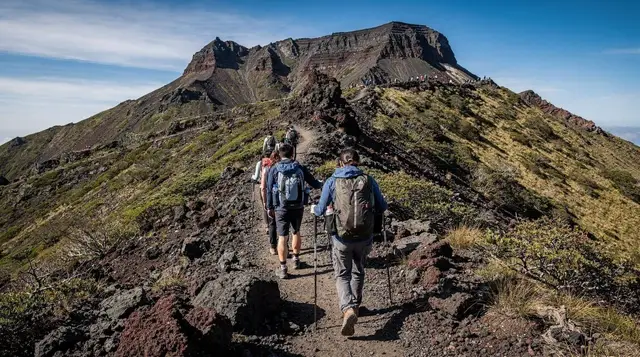
Hiking Hallasan: Complete Guide
Compare all four Hallasan trails — Seongpanak, Gwaneumsa, Yeongsil, Eorimok — by distance, difficulty, reservation rules, and what each one delivers.

Hallasan: Seongpanak Trail
Seongpanak is the longer but gentler of Hallasan's two summit trails — 9.6km one way, reservation required, 8-9 hours round trip.
Ready to book? Top tours for this guide
We earn a small commission if you book through GetYourGuide — at no extra cost to you. Every tour is hand-picked and verified.
Jeju: Hiking Mt. Hallasan, South Korea's Highest Mountain
Jeju Island: Hallasan Mountain Winter Scenery Guided Tour
Jeju: Mt. Hallasan Small-Group Nature Hike & Lunch
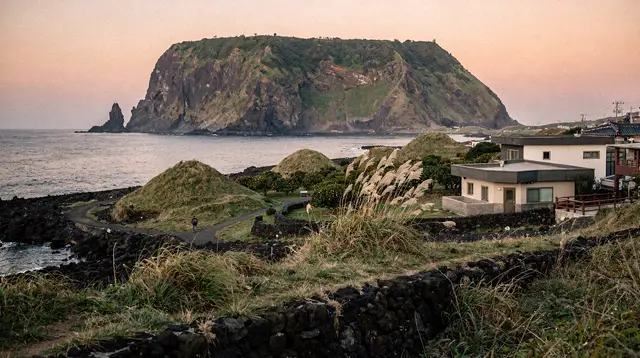
Jeju: UNESCO Sites & Sunrise Peak Hiking Small Group Tour
Jeju South: Small Group Healing Tour w/Mt.Halla & Olle Trail
