
Hiking Seongsan Ilchulbong at Sunrise
Is it worth hiking Seongsan Ilchulbong for sunrise specifically?
Yes, if you're prepared for an early start (often before 5am depending on season) and genuine crowds at the summit — the crater rim view over the ocean at first light is one of Jeju's most photographed moments, but it requires real planning to see it without the trail's usual daytime density of tour groups.
Seongsan Ilchulbong — Sunrise Peak — is a UNESCO-listed volcanic tuff cone on Jeju’s east coast, and its name is a direct instruction: this is the hike people specifically plan around catching first light over the ocean from the crater rim. It’s a short climb by Jeju hiking standards, but the sunrise timing adds real logistical planning that a midday visit doesn’t require.
| Climb time | 20-30 minutes to the rim, steep in sections |
| Arrive by | 45-60 min before official sunrise |
| Cost | Modest entrance fee, payable at the base |
| Best season | Autumn — clear air, manageable sunrise time |
| Crowds | Heavy, especially spring/autumn and weekends |
The climb itself
The trail from the base to the crater rim is paved and stepped for most of its length, climbing roughly 90 stories of elevation in around 20-30 minutes at a steady pace. It’s genuinely steep in sections despite the short distance, and while it requires no technical hiking skill, it’s enough of a climb that flip-flops and a lack of any fitness will make it uncomfortable. The path is well-lit for a pre-dawn ascent, and the volcanic tuff formations visible along the way — layered, textured rock distinct from Hallasan’s lava-flow basalt — are worth pausing for even before reaching the top.
Timing it right
Official sunrise time shifts substantially by season — as early as around 5:15am in summer and closer to 7:30am in winter — so check the current sunrise time for your specific date rather than assuming a fixed schedule. Plan to arrive at the trailhead at least 45-60 minutes before sunrise: the climb takes 20-30 minutes, and the summit area fills with people well before first light during peak season, so extra buffer time secures a decent vantage point rather than a view blocked by the crowd in front of you.
Managing the crowds
Seongsan Ilchulbong is one of Jeju’s single most popular attractions, and sunrise specifically draws a dedicated crowd of photographers, tour groups, and other visitors chasing the same shot. This isn’t a hike where you’ll have the summit to yourself, especially during spring and autumn high season or on weekends. If crowds are a dealbreaker, consider a weekday visit or accept that the shared experience — dozens of people quietly watching the same sunrise — is simply part of what this particular hike is. Jeju: UNESCO Sites & Sunrise Peak Hiking Small Group Tour bundles this hike with nearby UNESCO sites and transport in a small-group format, useful if you’d rather not navigate pre-dawn logistics — parking, timing, entrance — independently.
Weather risk and backup planning
Cloud cover is the single biggest threat to a satisfying sunrise here, and it’s common enough on Jeju’s coast that treating any single morning as guaranteed is a mistake. Check the local forecast the evening before, and if your schedule allows, keep a backup morning in reserve rather than committing your only Jeju sunrise attempt to a day the forecast already flags as cloudy. The climb and crater views are still worthwhile at other times of day if sunrise doesn’t work out — this isn’t a wasted trip even without ideal light.
Entrance fee and hours
Seongsan Ilchulbong charges a modest entrance fee at the base, and the site operates on set daily hours rather than 24-hour access — check current opening times, since they do shift seasonally and the site occasionally opens earlier specifically around sunrise time in high season. Bring small cash or a card for the entrance fee, and confirm hours before setting an alarm for a pre-dawn visit.
What to bring
Layers matter even in warmer months — pre-dawn coastal air is noticeably cooler and windier than daytime temperatures, and the exposed crater rim catches wind directly off the ocean. Closed-toe shoes with decent grip help on the stepped sections, particularly if the path is damp. A headlamp or phone flashlight is useful for the pre-dawn approach to the trailhead, since lighting along the outer paths can be inconsistent before official opening. See the Jeju hiking gear and safety guide for a fuller seasonal list.
Combining with nearby sights
Seongsan Ilchulbong sits close to several other east coast highlights — Seopjikoji’s cliffs, Udo Island’s ferry departure point, and various haenyeo diving demonstration sites — making it easy to build a full morning or day around the sunrise hike. See the Seongsan destination guide for the broader area and the Olle Trail Course 7 guide if you’d like to add a coastal walk to the same trip, though note that route sits near Seogwipo rather than directly adjacent to Seongsan.
How this hike compares to others on Jeju
Compared to Hallasan’s multi-hour summit trails, Seongsan Ilchulbong is a short, accessible climb suited to nearly any fitness level — the challenge here is timing and crowd management rather than distance or elevation. Compared to other oreum hikes covered in the best oreums guide, it’s among the most developed and touristed, trading solitude for genuinely spectacular, reliably reachable sunrise scenery. If a forested, quieter crater hike appeals more, Geumun-oreum offers a very different, longer, less crowded alternative.
The UNESCO designation and geology
Seongsan Ilchulbong is recognized both as a UNESCO World Natural Heritage Site (part of the broader “Jeju Volcanic Island and Lava Tubes” designation) and as a component of Jeju’s UNESCO Global Geopark network. It formed through hydrovolcanic eruption — magma meeting seawater in a violent, explosive process distinct from the slower lava-flow eruptions that built much of Hallasan — which is why its tuff (compacted volcanic ash) composition and crater shape look so different from the basalt formations seen elsewhere on the island. The crater itself, visible from the rim trail, is a broad bowl rather than a sharp peak, giving the whole formation its distinctive tabletop silhouette when viewed from the surrounding coastline or from the sea.
Where to wait for sunrise if you don’t want to climb
Not every visitor wants to make the climb specifically for sunrise, and there are alternatives: the beach and coastal area at Seongsan Ilchulbong’s base offers a sea-level sunrise view without the climb, and several cafés in the immediate area open early specifically to catch the sunrise trade, offering coffee and a seat with a view for visitors who’d rather watch from ground level. This is a reasonable option for visitors with mobility limitations, very young children, or simply those who’d rather not manage a pre-dawn climb but still want to experience the sunrise atmosphere this location is known for.
Combining with a haenyeo diving demonstration
Several haenyeo (sea women) diving demonstrations take place at sites near Seongsan, and some tour itineraries combine an early sunrise hike with a later-morning haenyeo show, making efficient use of an early start rather than returning to accommodation immediately after the hike. Check current demonstration schedules, since haenyeo shows run on their own timetable independent of sunrise timing and don’t happen daily at every location.
Cost and practical logistics
Beyond the modest entrance fee, budget for parking if driving (a paid lot serves the site) or transport costs if arriving by taxi or tour. Public restrooms and a small visitor facility exist near the entrance, though don’t expect much beyond basic amenities, especially at the very early hours sunrise timing requires — some facilities may not be fully staffed or open right at opening time. Bringing cash in small denominations for the entrance fee is a reasonable precaution in case card payment isn’t available at every entry point.
Seasonal sunrise timing and conditions
Summer sunrises come earliest, often before 5:30am, meaning a genuinely pre-dawn wake-up call for anyone staying even a short drive away — worth weighing against the reward, since summer haze can also mute the crispness of the view compared to other seasons. Spring sunrises shift gradually later through the season, with generally clearer air than summer and comfortable temperatures for the wait at the summit.
Autumn is frequently cited as the best season for this specific hike — a combination of clear, dry air, comfortable temperatures, and a sunrise time (working toward 6:30-7am by October) that’s considerably less punishing than a 5am summer alarm. Winter sunrises are the latest, often after 7:15am, making this the most schedule-friendly season for a sunrise attempt, though cold wind at the exposed crater rim is more biting than the mild coastal temperature might suggest, and warmer layers matter more than visitors expect for a “just a short climb” hike.
The broader Seongsan area beyond the peak itself
Seongsan Ilchulbong sits within a broader area worth exploring beyond the hike itself — the surrounding coastal walking paths, nearby haenyeo diving culture sites, and the general fishing-village character of the Seongsan area reward a slower visit rather than a climb-and-leave approach. Several sunrise-focused visitors extend their stay into a full morning, combining the hike with breakfast at one of the area’s cafés and a walk along the adjacent coastline before moving on to other east Jeju stops.
A realistic account of what the experience feels like
Setting an alarm for a pre-dawn hike, driving or walking to the site in darkness, and climbing a genuinely steep path before you’ve fully woken up is, honestly, a bit of a slog for the first twenty minutes — this isn’t purely a magical, effortless experience, and being upfront about that matters for setting realistic expectations. The payoff, when weather cooperates, is a genuinely striking transition from darkness to full daylight over the ocean, watched alongside a quiet crowd of people who made the same early effort. Most visitors who complete it describe the effort as clearly worthwhile despite the early start, but going in with realistic expectations about the pre-dawn logistics — rather than expecting an effortlessly magical experience from the moment you wake up — sets you up for genuine appreciation rather than early-morning grumpiness overshadowing the view.
Traffic and parking near the trailhead
Given the site’s popularity, parking near the entrance fills quickly during peak sunrise timing in high season, and arriving with extra buffer time isn’t just about the climb itself — finding parking and making your way to the trail entrance can take longer than expected when a large crowd is converging on the same small area at the same pre-dawn hour. If you’re relying on a taxi or tour transport rather than driving yourself, this removes one variable from the morning’s logistics, which is part of why guided sunrise tours remain a popular choice specifically for this hike. If you’d like the whole morning handled for you, a guided sunrise outing with hotel pickup takes care of the pre-dawn drive and the parking scramble.
How Seongsan Ilchulbong fits into the island’s broader UNESCO recognition
Seongsan Ilchulbong is one component of Jeju’s layered UNESCO status, which includes the World Natural Heritage designation covering the island’s volcanic and lava tube systems, the Global Geopark network of individually significant sites, and the separate Biosphere Reserve designation for the island’s broader ecology. Understanding this layered recognition helps explain why Seongsan Ilchulbong receives the level of protection, visitor infrastructure, and promotional attention it does relative to Jeju’s hundreds of other, less internationally recognized oreums.
A realistic planning checklist
The night before, check the sunrise time for your specific date and the weather forecast; set an alarm that gives you at least 90 minutes total before sunrise (45-60 minutes buffer at the trailhead plus the climb itself plus travel time from your accommodation). Pack a warm layer even in summer, bring cash or card for the entrance fee, and consider whether you want to drive yourself, take a taxi, or book a guided tour handling the whole morning’s logistics. None of this requires elaborate planning, but skipping the buffer time is the single most common reason visitors arrive at the summit after the crowd has already claimed the best vantage points, or after the sun has already cleared the horizon.
Is the early start worth it?
For most visitors who make the effort, yes — the specific combination of a UNESCO-recognized volcanic landform, ocean views, and the shared, quiet anticipation of a crowd waiting for first light is genuinely memorable in a way that a midday visit to the same site doesn’t replicate. That said, if you’re not a morning person and the idea of a pre-dawn alarm on vacation sounds more like an obligation than a genuine want, there’s no shame in visiting Seongsan Ilchulbong at a more comfortable hour instead — the crater rim trail and views remain worthwhile regardless of when you climb it.
Comparing a sunrise visit to sunset
Seongsan Ilchulbong is also a worthwhile sunset destination, and some visitors find the more relaxed timing — no pre-dawn alarm required — genuinely preferable, even if the specific “sunrise peak” framing is built around morning light. Sunset viewing typically draws a smaller crowd than the peak’s namesake sunrise timing, and the light quality over the ocean can be just as striking in the evening. If your schedule or personal preference leans away from early mornings, don’t feel obligated to force a sunrise visit simply because of the site’s name — a sunset or midday climb still delivers the core experience of the crater rim trail and coastal views.
Where to stay for an easy sunrise start
Staying overnight near Seongsan rather than commuting from Jeju City or Seogwipo removes the added early-morning drive time from an already early start, and is worth genuinely considering if this hike is a trip priority. See the car rental and IDP guide if you’re weighing self-driving against a taxi or tour for the pre-dawn logistics, and the Seongpanak Trail guide if you’re comparing this shorter climb against a full Hallasan summit attempt elsewhere in your itinerary.
A note on photography gear for this specific hike
Given the low-light conditions of a pre-dawn climb transitioning into the bright glare of a rising sun over water, a camera capable of handling that dynamic range — or simply a phone with a good HDR mode — captures the scene more faithfully than equipment better suited to consistent daylight conditions. A small tripod or stable resting surface helps for the darker pre-sunrise minutes if long exposure shots of the coastline or crater interest you, though handheld shots work perfectly well for most visitors simply documenting the moment.
Month-by-month sunrise time and crowd guide
| Season | Approx. sunrise | Crowd level | Notes |
|---|---|---|---|
| Summer (Jun-Aug) | ~5:15-5:30am | High, plus summer haze | Earliest, hardest wake-up |
| Spring (Mar-May) | ~5:45-6:30am | Highest overall | Cherry blossom season overlap |
| Autumn (Sep-Nov) | ~6:30-7:00am | High but often called best | Clearest air, milder wake-up time |
| Winter (Dec-Feb) | ~7:15am+ | Lower | Latest sunrise, coldest wind at rim |
Getting there without your own car
Public bus service reaches the general Seongsan area from both Jeju City and Seogwipo, but pre-dawn departure times rarely align with early-morning bus schedules, making a rental car, taxi, or guided tour the realistic options for a sunrise-specific visit. A taxi booked the evening before, or arranged through your accommodation, removes the uncertainty of finding pre-dawn transport on short notice, particularly if you’re staying somewhere without walkable access to the trailhead. For visitors without a rental car, staying overnight in Seongsan itself remains the simplest way to guarantee an easy pre-dawn walk to the trailhead. If you’d rather not drive but still want a fixed pick-up time, a private transfer to the peak is another way to remove the guesswork from the morning. The Kakao T taxi guide and the Jeju bus guide explain the other options.
Pairing the sunrise with the rest of your trip
A sunrise at Seongsan fits naturally into several wider plans. The east Jeju itinerary and the east Jeju day tour guide show how to use the rest of the day once the climb is behind you, while the Seopjikoji lighthouse cliffs and the Udo Island day trip sit close enough to add on. For wider context, see the best sunrise spots on Jeju, the sunrise and sunset photography guide, the Seongsan Ilchulbong Sunrise Peak guide, and the autumn foliage guide if you travel in the season many people call best. If you’re building a longer stay, the first-timer itinerary and the first-time planning guide help you slot a sunrise morning in without overloading your days.
First-timer’s realistic checklist, condensed
Check tonight’s forecast and tomorrow’s exact sunrise time; set an alarm allowing at least 90 minutes total before sunrise (buffer, climb, and travel time); pack a warm layer even in summer; bring cash or card for the entrance fee; decide in advance whether you’re driving, taking a taxi, or joining a guided tour. Skipping any one of these is the most common reason visitors either miss the best vantage points or arrive after the crowd has already claimed the rim’s edge.
Frequently asked questions about hiking Seongsan Ilchulbong at sunrise
What time do I need to start for sunrise at Seongsan Ilchulbong?
Aim to arrive at the trailhead at least 45-60 minutes before official sunrise, since the climb itself takes 20-30 minutes and the summit fills with people well before first light in peak season.
How hard is the Seongsan Ilchulbong hike?
Short but genuinely steep — a paved and stepped path climbs roughly 90 stories from the entrance to the rim in about 20-30 minutes. It’s not technical, but the incline is sustained enough that it counts as real exercise.
Is there an entrance fee?
Yes, Seongsan Ilchulbong charges a modest entrance fee, payable at the base; check current opening hours since the site does have set daily hours rather than 24-hour access.
Is the peak crowded at sunrise?
Yes, particularly during peak travel seasons and weekends — this is one of Jeju’s most popular single attractions, and sunrise timing draws a specific, often large crowd.
What if it’s cloudy on my planned sunrise morning?
Check the local weather forecast the night before and be prepared to shift days if you have flexibility; a cloud-obscured sunrise is common enough that building a backup morning into your itinerary is worth doing if this hike matters to your trip.
Can I hike Seongsan Ilchulbong at other times of day?
Yes — it’s open during standard daytime hours and is a worthwhile climb regardless of time, though sunrise and sunset both offer more dramatic light than midday.
Related guides

Geumun-oreum Volcanic Crater Hike
Geumun-oreum is a forested UNESCO Geopark crater near Gujwa — longer and more ecologically protected than most oreum hikes on Jeju.
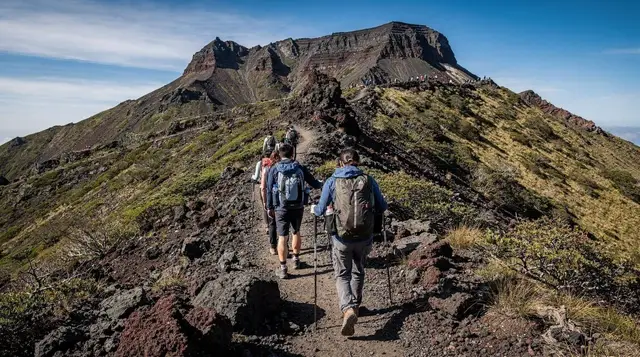
Hiking Hallasan: Complete Guide
Compare all four Hallasan trails — Seongpanak, Gwaneumsa, Yeongsil, Eorimok — by distance, difficulty, reservation rules, and what each one delivers.

Hallasan: Seongpanak Trail
Seongpanak is the longer but gentler of Hallasan's two summit trails — 9.6km one way, reservation required, 8-9 hours round trip.

Jeju Olle Trail: Overview (27 Routes)
Jeju Olle Trail is a 27-route, 437km coastal walking network circling the island. Here's how the system works and which routes to prioritize.
Ready to book? Top tours for this guide
We earn a small commission if you book through GetYourGuide — at no extra cost to you. Every tour is hand-picked and verified.
Jeju: Hiking Mt. Hallasan, South Korea's Highest Mountain
Jeju Island: Hallasan Mountain Winter Scenery Guided Tour
Jeju: Mt. Hallasan Small-Group Nature Hike & Lunch
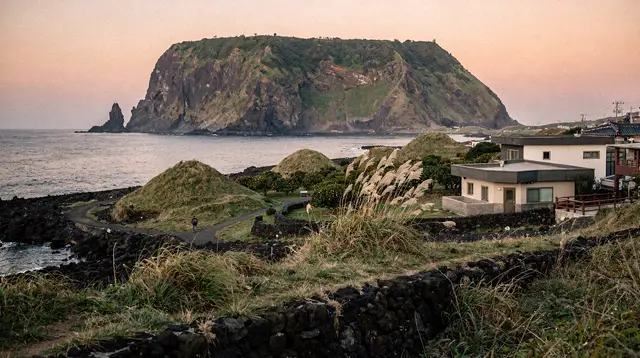
Jeju: UNESCO Sites & Sunrise Peak Hiking Small Group Tour
Jeju South: Small Group Healing Tour w/Mt.Halla & Olle Trail