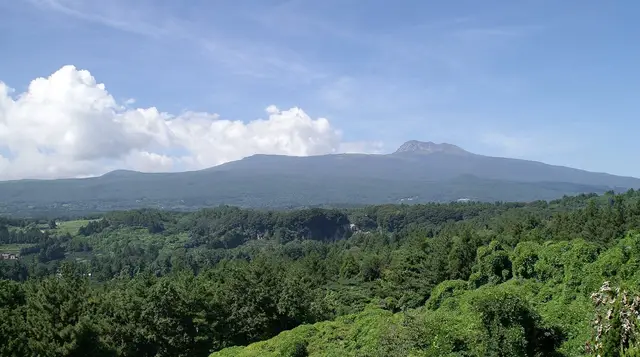
Is a Jeju day trip from Seoul worth it?
Can you do a day trip to Jeju from Seoul?
Yes, technically — Gimpo to Jeju flights run every 15-30 minutes and take about an hour, so a very early outbound and late return flight is possible. In practice, after airport time on both ends, you're left with roughly 6-8 hours on the ground, enough for one region's highlights but not a meaningful sample of the island.
Seoul-Gimpo to Jeju is the busiest domestic flight route in the world, with departures every 15-30 minutes and a flight time of about an hour — which makes a same-day round trip technically possible in a way it wouldn’t be for most island destinations. Whether it’s actually worth doing is a separate question from whether it’s physically possible.
| Flight time | about 1 hour, Gimpo-Jeju |
| Ground time | roughly 6-8 hours after airport buffers |
| Cost | round-trip fare varies by season/lead time |
| Fits in a day | one region’s highlights, not island-wide |
| Better alternative | 2-night, 3-day minimum trip |
The honest math on ground time
A same-day trip means an early outbound flight (realistically 6:00-7:00 a.m. departure from Gimpo) and a late return (last practical flight typically 8:00-9:00 p.m., depending on the season’s schedule). Subtract airport arrival buffers (60-90 minutes before each flight for domestic travel, plus baggage and transfer time on landing), and you’re left with roughly 6-8 hours actually on the ground in Jeju — enough time for one region’s highlights via a tour or a tight self-drive loop, not a meaningful sample of what the island offers.
What fits in that window
Realistically, a single-region day tour — east Jeju’s Seongsan Ilchulbong and Manjanggul, or west Jeju’s Hallim Park and Sanbangsan — is the ceiling for what a Seoul day-tripper can reasonably cover. The best day tours in Jeju roundup and UNESCO sites day tour guide cover tours built for a full 8-9 hour ground day, which is close to the maximum a Seoul round trip allows once you factor in airport transfers on both ends — there’s little to no slack for delays.
What Korean domestic travelers actually do
It’s worth noting that same-day Jeju trips are a genuinely common pattern among Korean domestic travelers — business travelers with a single meeting, or Seoul residents making a quick nostalgic visit, do this regularly given how normalized the Gimpo-Jeju route’s frequency has made it. The difference for an international visitor is usually the purpose: a domestic traveler doing a same-day trip typically has a specific narrow reason (business, a single event, visiting family) rather than trying to “see Jeju” for the first time, which is the scenario where a same-day trip serves the purpose least well. If your reason for visiting mirrors the domestic same-day pattern — a specific narrow task rather than general sightseeing — the calculus shifts meaningfully in favor of making the trip work.
The cost comparison
Round-trip Gimpo-Jeju flights vary by season and how far ahead you book, and same-day fares aren’t inherently cheaper than booking one leg for an early morning and returning the next evening. Once you add a single hotel night’s cost against a same-day trip’s extra flight-timing pressure, an overnight stay of even one night usually delivers meaningfully more actual sightseeing time per dollar spent, since you’re not racing a return flight all day.
Booking flights for maximum flexibility
If you do decide to attempt a same-day trip, booking flexible or changeable fares (even at a modest premium over the cheapest available tickets) is worth considering given the delay risk discussed elsewhere in this guide — a changeable return flight gives you an option beyond simply missing your original booking if the day runs long. Some travelers also book the outbound and return as fully separate one-way tickets rather than a round trip, which can occasionally offer more schedule flexibility to adjust either leg independently if plans shift, though this depends on current fare structures and isn’t universally cheaper.
Risk factors specific to a same-day plan
A delayed morning flight compresses your entire ground-time window, and Jeju’s weather — wind, fog, and occasional typhoon-season disruption — causes more flight delays and cancellations here than many domestic routes, given the airport’s coastal exposure. A same-day round trip has zero buffer for this: a delayed or cancelled return flight from Jeju to Seoul on a day trip is a genuinely stressful situation with same-day work or connection commitments waiting in Seoul. An overnight trip absorbs this risk far more comfortably.
When it does make sense
A same-day trip is more defensible for a specific, narrow purpose: visiting a single site with strong personal significance, a business trip with a few unplanned hours, or a long Seoul layover (12+ hours) where you’re comfortable with tight connections and travel light. It’s harder to justify as the default way to “see Jeju” if this is your only visit, since the island’s appeal — volcanic landscapes, coastal drives, multi-day pacing, and even the waterfall circuit around Seogwipo — doesn’t compress well into a single rushed loop.
The better alternative
For most visitors weighing a Seoul day trip, the better use of the same flights is simply extending to a short overnight trip. Even a single additional night turns a frantic 6-8 hour ground window into a genuine day-and-a-half, enough to properly see one region without racing the clock. For planning a proper first visit, the destination-region guides — east Jeju, west Jeju, Seogwipo, and Jeju City — and the itinerary planner tool help figure out how many days actually suit your interests.
If you decide to go for it
Book the earliest reasonable outbound flight and the latest reasonable return, choose one region rather than trying to combine two, and lean toward a tour with hotel or airport pickup over self-driving, since navigating unfamiliar roads on a tight timeline adds risk you don’t need. Confirm your chosen tour’s total duration against your actual flight times with a real buffer — not the tour’s advertised return time, since traffic or a running-late group can push things later than planned.
Why the Gimpo-Jeju route is unusual
The sheer frequency of this route — flights every 15-30 minutes throughout the day — is what makes a same-day trip even worth considering, since most island destinations don’t have anywhere near this density of connections from a mainland hub. This frequency exists because Gimpo-Jeju has historically been the busiest domestic air route in the world by passenger volume, reflecting both Jeju’s popularity as a domestic Korean vacation spot and the lack of any practical land or fast-ferry alternative from Seoul (unlike, say, a coastal city with train access). That said, high frequency doesn’t eliminate the fundamental time constraint discussed above — it just means a delayed or missed flight has more immediate backup options than it would on a route with only a few daily departures.
Incheon versus Gimpo for a Jeju connection
If you’re arriving in Korea internationally via Incheon rather than flying domestically from Gimpo, note that these are two different Seoul-area airports connected by a transfer of 60-90 minutes depending on traffic and mode of transport. A same-day Jeju trip built around an international arrival at Incheon adds this transfer on top of the Jeju flight itself, which meaningfully changes the day’s math — international travelers doing a genuine same-day layover trip need to account for Incheon-to-Gimpo transfer time in addition to the flight segments already discussed.
A realistic hour-by-hour same-day itinerary
For travelers still set on the same-day plan despite the tradeoffs above: 5:00 a.m. arrival at Gimpo, 6:00-6:30 a.m. flight departure, 7:30 a.m. landing in Jeju, pickup or car rental by 8:00 a.m., sightseeing from 8:00 a.m. to roughly 4:00-4:30 p.m. (allowing return transfer time), departure flight around 6:00-7:00 p.m., landing back at Gimpo by 7:00-8:00 p.m. This leaves a genuine 8-8.5 hour window on the ground, at the upper end of what’s realistically achievable, and assumes zero delays on either flight — a fragile assumption during Jeju’s windier or more typhoon-prone months.
What you actually give up by skipping an overnight
Beyond the raw hours, a same-day trip cuts out a few things that meaningfully shape a Jeju visit: sunrise or sunset at a coastal viewpoint (both fall outside the flight window on a same-day plan), a proper multi-course dinner rather than a rushed lunch, and any margin for a spontaneous stop that isn’t on the tour’s fixed schedule. These aren’t dealbreakers for a narrow-purpose visit, but they’re worth naming plainly, since they’re exactly the moments that tend to define a good Jeju trip in hindsight.
A guided tour that fits the same-day window
If you’re committing to the same-day plan, a private or small-group day tour with hotel or airport pickup removes the added risk of navigating unfamiliar roads on a tight schedule, and lets you confirm total tour duration against your actual return flight before booking.
Jeju small-group day tour: volcano and UNESCO landmarksFor travelers extending to an overnight instead, a private full-day car tour covers considerably more ground without the same-day flight pressure.
Jeju full-day private guided car tourChoosing between east and west Jeju for a single day
Since a same-day trip only allows time for one region, the choice between east and west matters more here than on a longer trip. East Jeju, centered on Seongsan, groups Seongsan Ilchulbong, Manjanggul, and nearby coastal stops closely enough to cover in a tight day. West Jeju, centered on Hallim and Daejeong, groups Hallim Park, Sanbangsan, and the Osulloc tea fields similarly well. Trying to combine both in a single same-day Seoul round trip means long transfer drives eating into an already tight ground window, and is the single most common planning mistake for this kind of trip.
Frequently asked questions about a Jeju day trip from Seoul
How early do I need to fly out of Seoul to make a Jeju day trip work?
The earliest Gimpo-Jeju flights typically depart around 6:00-6:30 a.m., which means arriving at Gimpo airport by roughly 5:00-5:30 a.m. Combined with the last practical return flight in the evening, this gives the widest possible ground-time window.
What can I realistically see in one day trip from Seoul?
One region’s highlights — for example, Seongsan Ilchulbong and Manjanggul in east Jeju via a single bus or private tour — rather than an island-wide sampler. Trying to cover both east and west Jeju in one day trip from Seoul generally means seeing very little of either properly.
Is it cheaper to fly round-trip same-day or stay overnight?
Same-day round-trip flights aren’t necessarily cheaper than an overnight trip with one night’s accommodation, since flight prices depend on route and season rather than trip length. Once you factor in a hotel night’s cost against the extra half-day of sightseeing an overnight trip buys, an overnight stay is usually better value per hour actually spent on the island.
Does a day trip make sense for a layover in Seoul?
It can, if your layover is genuinely long (12+ hours) and you’re comfortable with tight airport connections on both ends, but it adds real risk if either flight is delayed. A shorter, closer Seoul-area day trip is generally the lower-risk choice for tight layovers.
What’s the alternative to a rushed day trip?
A minimum 2-night, 3-day trip is the more common recommendation for a first Jeju visit, since it removes the same-day flight pressure and allows an actual overnight in a specific region rather than a single rushed loop.
Are there other Korean airports with Jeju flights besides Gimpo?
Incheon (Seoul’s main international airport) also runs Jeju flights, though less frequently than Gimpo’s domestic-focused schedule — if you’re flying internationally into Incheon and considering a day trip, Gimpo’s more frequent departures usually make more sense than routing through Incheon for the Jeju leg.
Does luggage matter for a same-day Jeju trip?
Traveling with only a light day bag rather than checked luggage speeds up both airports significantly — checked bags add wait time on both ends that eats directly into your already-tight ground-time window.
Related guides

Best day tours in Jeju
A roundup of Jeju's main day-tour types — bus loops, private cars, and UNESCO-themed routes — with realistic prices and who each one suits.

Shore excursions for cruise passengers in Jeju
How to pick a Jeju shore excursion that actually fits your cruise ship's port window, with realistic timing from Gangjeong and Jeju port.

East Jeju day tour
What an east Jeju day tour actually covers — Seongsan, Manjanggul, Udo add-ons — with realistic timing, prices, and self-drive comparisons.

Private vs group day tours in Jeju
When a private car tour beats a shared bus tour in Jeju, with real per-person cost math for solo travelers, couples, and groups of four.
Ready to book? Top tours for this guide
We earn a small commission if you book through GetYourGuide — at no extra cost to you. Every tour is hand-picked and verified.
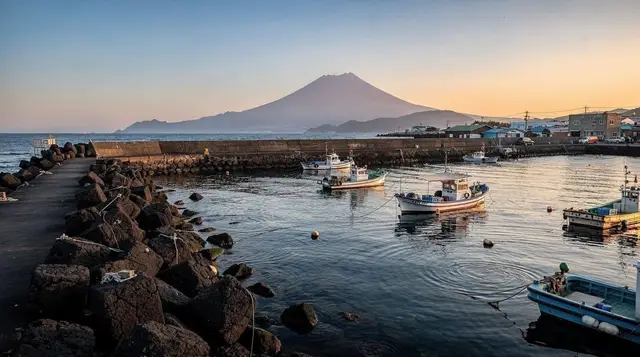
Jeju Island: Full-Day East Jeju Bus Tour with Entry Fees

Jeju Island: Full-Day Customizable Private Guided Car Tour
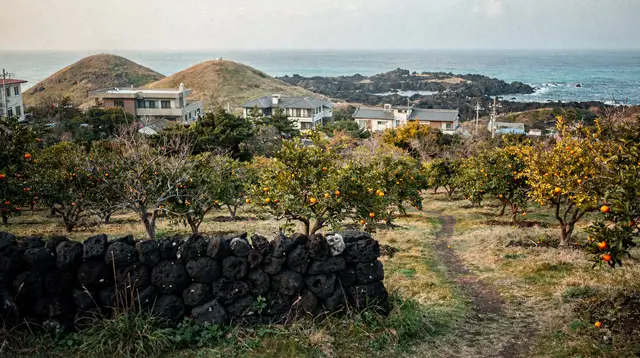
Jeju Island: Southern UNESCO Spots Day Tour
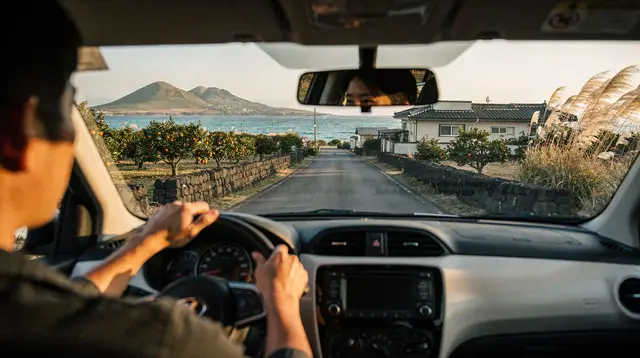
Jeju Island: Customized Private Full-Day Van Tour

Jeju Island: Eastern Tour for Leisurely Walkers