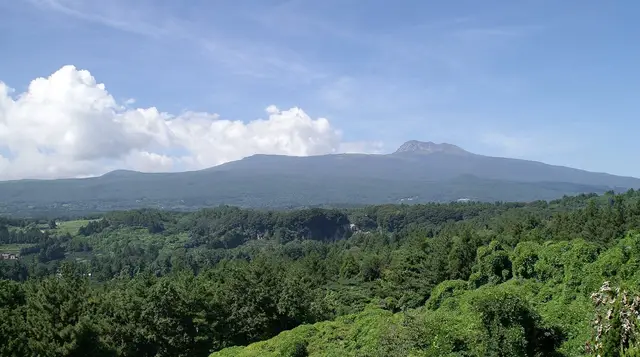
South Jeju day tour
What does a south Jeju day tour typically cover?
Most south Jeju tours center on Seogwipo's waterfall circuit (Cheonjiyeon and sometimes Jeongbang or Cheonjeyeon), Jusangjeolli Cliff's columnar basalt formations, and the Jungmun resort area, often with a Hallasan viewpoint or UNESCO-themed framing added. A full day runs ₩65,000-100,000 per person including entry fees.
South Jeju’s day-tour theme centers on Seogwipo, the island’s second city, and its waterfall circuit — a markedly different landscape from east Jeju’s volcanic drama or west Jeju’s gardens. Add Jusangjeolli Cliff’s basalt columns and the resort infrastructure of Jungmun, and you get a day built around water, cliffs, and a more developed tourist zone than most of the rest of the island.
| Where | Seogwipo, Jusangjeolli, Jungmun (south coast) |
| Cost, guided | ₩65,000-100,000/person + lunch |
| Time needed | Full day; compact enough for a half-day too |
| Getting there | 45-60 min from Jeju City by car |
| Best for | Waterfalls, coastal cliffs, resort-area comfort |
The waterfall circuit
Seogwipo has three named waterfalls within a short drive of each other: Cheonjiyeon (the most visited and easiest to access, close to the harbor area), Jeongbang (unusual for flowing directly into the ocean rather than an inland pool), and Cheonjeyeon (a three-tiered falls further west near Jungmun, linked by a scenic bridge). Most day tours include one, occasionally two, rather than all three, since each has its own entry fee (typically ₩2,000-3,000) and a walk of 20-40 minutes round trip.
UNESCO and highlights framing
South-West Jeju Essentials: Hallasan & UNESCO Highlights packages the waterfall and coastal stops alongside a view of Hallasan, aiming for variety across mountain, water, and coast in a single day rather than concentrating purely on Seogwipo’s town-adjacent sites — see the UNESCO sites day tour guide for how this compares to the island’s other UNESCO-themed routes. This suits visitors who want the region’s landscape diversity represented rather than just the waterfalls.
Guided sightseeing from Jeju-si
Jeju Island: Southern UNESCO Spots Day Tour is a guided option departing the Jeju-si area, useful if you’re staying in Jeju City rather than Seogwipo and don’t want to arrange your own transport south for the day. The drive from Jeju City to Seogwipo’s waterfall area takes 45-60 minutes each way, which the tour absorbs into its schedule rather than leaving you to plan it.
Jusangjeolli Cliff
A stretch of hexagonal basalt columns along the coast near Jungmun, formed when lava met the sea and cooled rapidly enough to crack into columnar shapes. It’s walkable via a boardwalk in 30-45 minutes, with entry around ₩2,000, and pairs naturally with a Jungmun-area stop given the short distance between them. Photography works best in late afternoon light, when the low sun catches the column faces.
Jungmun resort area
Jungmun functions as Jeju’s most developed resort zone — large hotels, Jungmun Saekdal Beach, and a cluster of attractions within walking distance of each other. Day tours passing through typically stop for 45-60 minutes, enough for a beach walk or a coffee break rather than a full beach day. If Jungmun’s beach itself is your priority rather than a quick stop, it’s worth planning as a separate half-day or staying overnight in the area.
Timing across the day
A realistic south Jeju day: 45-60 minutes drive from Jeju City (or a shorter 15-20 minutes if starting from Seogwipo itself), 45-60 minutes at Cheonjiyeon Waterfall, 30-45 minutes at Jusangjeolli Cliff, a lunch stop of 45-60 minutes, and 45-60 minutes at Jungmun or a second waterfall if included. That’s a full but not overloaded day — south Jeju’s compact geography (most sites within 20 minutes of each other) means less driving time than east or west Jeju routes, leaving more time actually at each stop.
Self-driving the route
With a rental car, south Jeju’s sites cluster tightly enough that a self-driven day can comfortably include all three waterfalls plus Jusangjeolli if you start early and don’t linger too long at any single stop. Parking is generally easier here than at Seongsan or Manjanggul on peak days, since Seogwipo’s tourist infrastructure is more built out. The Seogwipo destination guide covers town-specific parking and timing notes.
Realistic costs
A guided day tour with entry fees included runs ₩65,000-100,000 per person, plus a separate lunch (₩10,000-15,000) — roughly ₩80,000-115,000 (about US$59-85) for the day. Self-driving costs only fuel, parking, and individual entry fees, which are modest here (₩2,000-3,000 per waterfall or Jusangjeolli) — for a group of 2 or more with a rental car, self-driving is noticeably cheaper and gives more control over which waterfalls you prioritize.
Comparing to west Jeju
Because the two regions border each other at the southwest corner, it’s worth deciding upfront whether waterfalls or gardens matter more to you. The west Jeju day tour guide covers Hallim Park, Osulloc, and Sanbangsan in more depth, the east Jeju day tour guide covers the opposite side of the island, and the best day tours in Jeju roundup compares all regional options together. If you’re weighing a private tour to combine elements of both regions on your own schedule, see private vs group day tours for the cost tradeoffs.
Seasonal notes
Seogwipo sits in Hallasan’s rain shadow-adjacent lee, making it noticeably milder in winter than Jeju City — a genuine reason some visitors base themselves here for a winter trip. Waterfall flow is strongest after rain, particularly in the spring wet season and just after typhoon passages, though heavy rain itself can close the walking paths temporarily for safety. Summer brings the heaviest crowds to Cheonjiyeon specifically, given its proximity to the harbor and cruise-ship arrivals.
Who this region suits
South Jeju day tours suit visitors who want water-based scenery and a gentler walking pace than east Jeju’s crater climbs, plus easy access to Jungmun’s resort infrastructure if you want a beach stop or a nicer lunch venue built in. It’s also a practical choice for cruise passengers with limited port time, since Seogwipo’s Gangjeong port sits close to the waterfall circuit — see the shore excursions guide for tours built specifically around that constraint.
The geology behind the waterfall circuit and Jusangjeolli
Cheonjiyeon, Jeongbang, and Cheonjeyeon all drop from basalt cliffs formed by successive lava flows, with the waterfalls themselves marking points where a stream has cut through softer layers faster than the surrounding rock eroded. Jeongbang’s distinction — falling directly onto a beach and into the sea rather than into an inland pool — comes from its location right at the coastline rather than set back like the other two. Jusangjeolli’s hexagonal columns formed through a different process: lava that met seawater and cooled rapidly enough to contract into the distinctive polygonal cracking pattern, a phenomenon similar to famous basalt formations elsewhere in the world like Northern Ireland’s Giant’s Causeway, though on a different scale.
What locals do differently on this route
Seogwipo residents visiting the waterfall circuit with out-of-town guests typically pick the waterfall based on recent rainfall rather than defaulting to Cheonjiyeon out of habit — after a good rain, Cheonjeyeon’s three tiers put on a noticeably more dramatic show than in a dry stretch, while Cheonjiyeon’s more consistent year-round flow makes it the safer default choice if you can’t check conditions in advance. If you have a rental car and some flexibility, asking locally about recent rainfall before choosing which waterfall to prioritize can make a real difference to what you actually see.
Traffic and parking realities
Cheonjiyeon’s proximity to the harbor and cruise ship arrivals means its parking area and approach path get busiest when a cruise ship is in port — a detail worth checking if you want a quieter visit, since Seogwipo’s port schedule is generally published in advance. Jungmun’s parking is more spread out across its resort infrastructure and rarely as congested as Cheonjiyeon’s central lot, though weekend afternoons still see a noticeable uptick in visitors at both.
Food along the route
Seogwipo’s Maeil Olle Market, a short distance from the waterfall area, is a reasonable lunch alternative to a set-menu tour restaurant if you have the flexibility — a mix of street food and small restaurants at prices generally lower than Jungmun’s more resort-oriented dining. If your day includes a Jungmun stop, the resort area’s restaurants trend toward higher prices reflecting the hotel-heavy clientele, so budget accordingly if lunch happens there instead.
Combining this region with the rest of a multi-day trip
South Jeju’s relatively compact geography makes it one of the easier regions to visit as a half-day rather than committing a full day, which is useful if you’re trying to balance multiple regions within a shorter overall trip. Pairing a morning at the waterfalls with an afternoon drive west into west Jeju’s Sanbangsan-Yongmeori stretch is a realistic single-day combination for travelers with a rental car and an early start, since the two regions border each other closely enough to make this workable without excessive driving.
Accessibility notes
Cheonjiyeon’s approach path is mostly flat and paved with a short set of stairs near the viewing platform, making it manageable for most mobility levels though not fully wheelchair accessible at the final viewpoint. Jusangjeolli’s boardwalk is flat and accessible throughout. Jeongbang’s path involves more uneven terrain and steps down toward the beach-level viewpoint, making it the least accessible of the three waterfalls. Jungmun’s resort infrastructure, being purpose-built for tourism, is generally the most accessible stop on this route, with paved paths throughout the beach and hotel areas.
Public transport realities in more detail
Seogwipo’s local bus network connects the waterfall area, the Maeil Olle Market, and Jungmun, but service intervals of 20-40 minutes between routes mean a bus-based day requires more schedule-checking and buffer time than a rental car or tour. It’s a workable option if you’re staying in Seogwipo itself and only plan to cover one or two nearby stops, but for a full circuit touching Cheonjiyeon, Jusangjeolli, and Jungmun in one day, the time lost waiting for connections tends to outweigh the cost savings versus a taxi or short guided tour, particularly for a solo traveler or couple rather than a larger group splitting a car rental.
A rainy-day version of this route
South Jeju holds up reasonably well on a rainy day compared to regions built around exposed hiking or beach time — the waterfalls actually look more dramatic with stronger flow after rain, and Jungmun’s resort infrastructure (indoor dining, some covered walkways) offers more shelter than a more exposed east or west Jeju itinerary. Waterfall walking paths themselves can close temporarily in heavy rain for safety, though, so checking conditions before setting out on a wet-weather day is worth the extra step, and pairing the route with an indoor stop like a nearby museum is a reasonable backup if a path closure cuts the plan short.
Photography timing at each stop
Cheonjiyeon’s forested approach and waterfall face suit soft, overcast light or the shaded midday hours better than harsh direct sun, since the surrounding tree canopy creates dappled, uneven lighting on a bright day. Jusangjeolli’s basalt columns photograph best in late afternoon, when the low sun rakes across the column faces and brings out their texture. Jungmun’s beach and resort views work at most times of day, though sunset over Jungmun Saekdal Beach is the most reliably rewarding single shot on this route if your timing allows a stop there toward the end of the day.
Frequently asked questions about south Jeju day tours
Can I see all three of Seogwipo’s waterfalls in one tour?
Rarely all three in depth — most day tours pick one or two (usually Cheonjiyeon, the most accessible) rather than all three of Cheonjiyeon, Jeongbang, and Cheonjeyeon, since each requires its own parking, entry fee, and walk. Seeing all three properly is better suited to a self-driven half-day dedicated to just the waterfall circuit.
Is Jeongbang Waterfall really the only waterfall in Asia that flows into the ocean?
That’s the commonly repeated claim, and while it’s difficult to verify as an absolute superlative, Jeongbang is genuinely unusual for dropping directly onto a beach and into the sea rather than into an inland pool, which makes it worth the visit regardless of the exact ranking claim.
What is Jusangjeolli Cliff and is it worth a stop?
A stretch of hexagonal basalt columns formed by rapidly cooling lava meeting the sea, walkable via a boardwalk with ocean views. It’s a relatively quick stop (30-45 minutes) and a reliable photo location, worth including if your route passes nearby.
How does a south Jeju tour differ from a west Jeju tour?
South Jeju centers on Seogwipo’s waterfalls and the Jungmun resort area, while west Jeju focuses on Hallim Park, Osulloc’s tea fields, and the beach towns further north along the west coast. The two overlap at the southwest corner (Sanbangsan, Yongmeori, Jusangjeolli), which is why many operators sell combined “western and southern” tours.
Is south Jeju walkable without a car for a day trip?
Within Seogwipo city itself, yes — the waterfall area and Jungmun are connected by local buses, though infrequent service means a rental car or tour still saves meaningful time if you’re trying to cover multiple stops in one day.
Are the waterfall entry fees separate from a tour’s price?
It depends on the listing — some tours bundle waterfall entry into the tour price, others leave it to be paid at the gate (typically ₩2,000-3,000 per waterfall). Check the specific inclusions before assuming it’s covered.
Is Jungmun Saekdal Beach worth a full stop on this tour?
A 45-60 minute stop gives a feel for the beach and resort area but isn’t enough for a proper beach day — if swimming or sunbathing at Jungmun is the actual goal, plan it as a separate half-day or an overnight stay in the area instead.
Related guides

Shore excursions for cruise passengers in Jeju
How to pick a Jeju shore excursion that actually fits your cruise ship's port window, with realistic timing from Gangjeong and Jeju port.

Best day tours in Jeju
A roundup of Jeju's main day-tour types — bus loops, private cars, and UNESCO-themed routes — with realistic prices and who each one suits.

East Jeju day tour
What an east Jeju day tour actually covers — Seongsan, Manjanggul, Udo add-ons — with realistic timing, prices, and self-drive comparisons.

Is a Jeju day trip from Seoul worth it?
The real math on flying from Seoul to Jeju for a single day — flight times, ground time, and whether an overnight trip makes more sense.
Ready to book? Top tours for this guide
We earn a small commission if you book through GetYourGuide — at no extra cost to you. Every tour is hand-picked and verified.
Jeju Island: Full-Day East Jeju Bus Tour with Entry Fees
Jeju Island: Full-Day Customizable Private Guided Car Tour
Jeju Island: Southern UNESCO Spots Day Tour
Jeju Island: Customized Private Full-Day Van Tour
Jeju Island: Eastern Tour for Leisurely Walkers