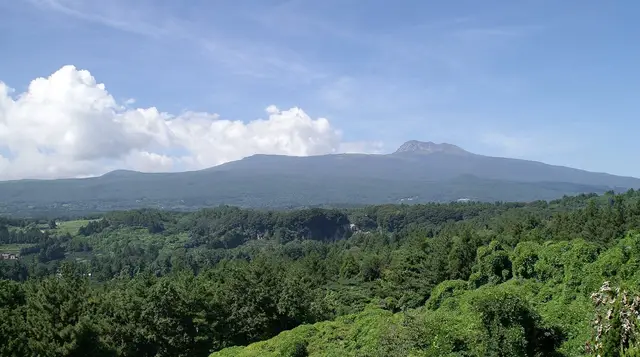
East Jeju day tour
What does a typical east Jeju day tour include?
Most east Jeju bus tours cover Seongsan Ilchulbong, Manjanggul Lava Tube, and one or two smaller stops (Bijarim Forest, Seopjikoji, or Sangumburi Crater), running ₩60,000-90,000 per person for 8-10 hours including a lunch break. Udo is usually a separate add-on rather than part of the same-day loop, since the ferry crossing eats significant time.
East Jeju packs the island’s most photographed sites into a relatively compact stretch of coastline, which makes it the most common single-region day-tour theme. A typical route covers Seongsan Ilchulbong, Manjanggul Lava Tube, and one or two smaller inland stops, with lunch built into the middle of the day. This guide breaks down what’s actually included, how the timing works, and where a self-driven day might serve you better.
| Where | Seongsan, Manjanggul, Bijarim/Sangumburi area |
| Cost | Around ₩60,000-90,000/person for a bus tour |
| Time needed | 8-10 hours including lunch |
| Getting there | Bus tour pickup, private tour, or self-drive |
| Best time | October for clear skies; avoid typhoon season |
What a standard east Jeju day tour covers
The core stops that show up on nearly every east Jeju itinerary are Seongsan Ilchulbong (the volcanic tuff cone and UNESCO World Natural Heritage site) and Manjanggul Lava Tube (the country’s longest lava cave system). Around those two anchors, operators fill in with Bijarim Forest, Sangumburi Crater, or the Seopjikoji headland, depending on the specific route. Jeju Island: Full-Day East Jeju Bus Tour with Entry Fees is a representative example, bundling several of these stops with entry tickets included so you’re not queuing to buy tickets separately at each gate.
UNESCO-focused variants
Some tours market themselves specifically around the UNESCO angle, emphasizing Seongsan and Manjanggul’s Global Geopark status over a broader east-coast loop. Jeju: Eastern Jeju UNESCO Spots Day Tour is one of these — worth considering if the UNESCO sites specifically are your priority and you’d rather skip a smaller inland stop for more time at the two headline locations. For a broader comparison of UNESCO-labeled tours across the whole island, see the UNESCO sites day tour guide.
Departing from Seogwipo instead of Jeju City
Most east Jeju tours are marketed with pickup from Jeju City hotels, since the region sits closer to the north. If you’re based in Seogwipo, Jeju: East of Jeju Island Bus Tour from Seogwipo City saves the extra transfer time of getting to a Jeju City pickup point first — worth checking specifically if your accommodation is on the south side, since generic east Jeju tours may not offer Seogwipo pickup at all.
Timing across the day
A realistic breakdown for an 8-9 hour tour: 45-60 minutes drive out from Jeju City, roughly 90 minutes at Seongsan including the crater climb (20-40 minutes each way plus time at the base), an hour for Manjanggul including the walk and parking, a lunch stop of 45-60 minutes, and 45-60 minutes at a smaller add-on stop like Bijarim Forest or Sangumburi Crater. That adds up to a full day with limited slack — if you specifically want unhurried time at any one site, a private tour or self-driven day gives you room to linger that a fixed-stop bus route doesn’t.
Where Udo fits in
Udo Island, reached by ferry from near Seongsan, is the most common “what else can I add” question for east Jeju day trips. In practice, most bus tours don’t include Udo in the same day as Seongsan and Manjanggul — the round-trip ferry crossing plus e-bike time on the island takes 3-4 hours on its own. If Udo is a priority, plan it as a separate day (see the Jeju Islets destination page for ferry logistics) rather than expecting it bundled into a mainland east-coast tour.
Self-driving the same route
If you have a rental car, the driving version of this route is straightforward: Manjanggul first (cooler and less crowded in the morning), Bijarim Forest or Sangumburi as a mid-morning stop, lunch in Seongsan town, then Seongsan Ilchulbong in the early-to-mid afternoon when crowds have often thinned slightly from the morning peak. Total driving time between stops is modest — 15-25 minutes each way — which is the main advantage over a bus tour’s fixed schedule: you control how long you spend at each site. The east Jeju destination guide has more detail on driving distances and town-by-town logistics across the region.
Realistic costs
A bus tour with entry fees bundled runs ₩60,000-90,000 per person, plus a separate lunch (₩10,000-15,000) — roughly ₩75,000-105,000 (about US$56-78) total for the day. Self-driving the same stops costs only fuel, parking, and individual entry tickets (Seongsan ~₩5,000, Manjanggul ~₩4,000, Bijarim or Sangumburi ₩3,000-4,000 each), which is cheaper per person for a group of 3-4 sharing a rental car, but requires you to already have that car booked and an International Driving Permit in hand.
Comparing to a private tour
If a fixed bus schedule feels too rigid — say, you want extra time at Seongsan for photos, or you’d rather skip one of the smaller stops entirely — a private car tour lets you set that priority directly. The tradeoff is cost per person, which rises for solo travelers and pairs but becomes competitive with a bus tour once split across 3-4 people. The private vs group day tours guide runs through the actual math for different group sizes, and the general best day tours in Jeju roundup compares this region against west and south Jeju options.
Seasonal notes
October offers the clearest skies for photos at both Seongsan and the coastal viewpoints near Seopjikoji, while summer (June-August) brings haze and higher humidity that mutes visibility from the crater rim. Typhoon season (late August-September) is the highest-risk window for outright cancellations — Seongsan’s climb is occasionally closed in extreme wind, and operators will typically substitute an indoor stop like Manjanggul for extra time if the outdoor portion gets cut short. Winter tours run normally but with shorter daylight windows, so confirm your pickup and return times don’t push into darkness if you want to add anything extra.
Who this region suits
East Jeju day tours suit first-time visitors who want the single most iconic Jeju sight (Seongsan) paired with the most distinctive underground one (Manjanggul) in a single day without renting a car — including visitors weighing a rushed day trip from Seoul, where a single-region tour like this fits the time budget better than trying to cover the whole island. If your trip has more time, splitting this into two separate visits — a dedicated sunrise trip to Seongsan and a separate day for Manjanggul plus the inland sites — gives a less rushed experience, particularly if photography is a priority. For a fuller multi-day plan that includes this region alongside the rest of the island, browse the day-trips section, the south Jeju day tour guide, and the day tours roundup, or plug your dates into the itinerary planner tool to sequence multiple regions across a longer trip.
What locals and repeat visitors do differently
Jeju residents and repeat visitors tend to treat Seongsan and Manjanggul as two separate trips rather than one combined tour day, precisely because a rushed single-day version leaves little room to actually enjoy either site. If you have the flexibility of more than a single day in the region, splitting a sunrise Seongsan visit (self-driven or via a short sunrise-specific tour) from a separate, unhurried Manjanggul-plus-Bijarim day gives a noticeably calmer experience than the standard combined itinerary. This is worth considering specifically if this isn’t your only Jeju trip, or if you’re staying overnight in Seongsan anyway for the sunrise climb.
The geology behind the two anchor sites
Seongsan Ilchulbong formed roughly 5,000 years ago when magma met shallow seawater in an explosive hydrovolcanic eruption, building up the tuff cone’s distinctive crater shape from consolidated ash rather than the slow lava-flow buildup typical of shield volcanoes elsewhere on the island. Manjanggul, by contrast, formed 200,000-300,000 years ago as flowing lava’s outer surface cooled and hardened while the still-molten interior continued draining out, leaving a hollow tube behind — one of a network of connected lava tubes in the area, of which only about a kilometer is open to public walking. Understanding this distinction is part of what a certified Geopark guide adds over a generic tour narration, if that level of detail interests you (see the UNESCO sites day tour guide for tours built around this angle specifically).
Photography considerations for this route
Seongsan’s crater rim offers the region’s best wide shots, particularly in the hour after sunrise or before sunset when the low light picks out texture in the tuff walls that flattens out under midday sun — a consideration if your tour’s schedule places you there around noon. Manjanggul’s interior is dark enough that a tripod or a phone’s night mode helps for anything beyond quick snapshots, though flash photography is generally discouraged near any formations to avoid affecting the cave’s ecosystem. Bijarim Forest’s older trees photograph well in the soft light of overcast days, arguably better than in harsh direct sun.
Common mistakes on an east Jeju day tour
The most frequent complaint from first-time visitors isn’t about the sites themselves but pacing: booking a tour that also promises a Udo add-on, then feeling rushed at every stop once the ferry timing squeezes the rest of the day. A second common mistake is skipping sun protection for the Seongsan climb, assuming it’s a short walk — the paved path has minimal shade, and even a 20-30 minute climb in summer sun without a hat or sunscreen is enough to cause discomfort for the rest of the day. A third is underestimating how early “sunrise” actually is in June (as early as 5:15 a.m.), leading to a genuinely rushed pre-dawn departure if arranging your own transport rather than joining a dedicated sunrise tour.
Alternatives if this region doesn’t fit your schedule
If an 8-9 hour day feels like too much for your itinerary, both Seongsan and Manjanggul can be visited independently as shorter half-day stops if you have a rental car — Seongsan alone (including the climb) takes about 2 hours round trip from arrival to departure, and Manjanggul about an hour. Splitting the region across two shorter visits on different days, rather than one long tour day, is a reasonable option for travelers who prefer a slower overall pace, particularly families — see the Jeju with kids guide for how this region fits into a family-paced itinerary.
Combining east Jeju with the rest of a multi-day trip
If this is one stop within a longer Jeju itinerary rather than a single isolated day trip, sequencing matters. Doing the east Jeju loop early in your trip gives you a feel for driving distances and pacing before tackling less signposted regions later, and it front-loads the island’s single most crowd-sensitive site (Seongsan) before fatigue sets in on a longer trip. If Udo is on your list, pairing it with an overnight stay in Seongsan the night before your east Jeju day (rather than trying to squeeze both into one day) lets you catch sunrise at the crater and still make a full day of the ferry crossing afterward. The day tours roundup and itinerary planner tool can help slot this region into a broader multi-day plan.
Booking logistics and pickup points
Pickup is typically arranged from a cluster of central hotels in Jeju City or, for the Seogwipo-departure version, a similar cluster in central Seogwipo — smaller guesthouses outside these zones may need to arrange their own transfer to a designated meeting point. Confirm your specific pickup address is covered when booking rather than assuming all accommodation in a given city qualifies, since some tours restrict pickup to a shorter list of major hotels. Most platforms send a confirmation with exact pickup time and location the day before departure, worth double-checking against your hotel’s actual address.
A realistic hour-by-hour breakdown
| Time | Stop |
|---|---|
| 7:30-8:30am | Pickup from Jeju City or Seogwipo hotels |
| 8:30-10:00am | Manjanggul Lava Tube (self-drive) or first stop (bus tour) |
| 10:00-11:30am | Bijarim Forest or Sangumburi Crater |
| 12:00-1:00pm | Lunch stop |
| 1:30-3:00pm | Seongsan Ilchulbong climb |
| 3:00-5:00pm | Return drive, optional shop stop on some bus tours |
Self-driving lets you compress or extend any block above; a bus tour follows a version of this sequence with less flexibility but no need to plan the route yourself.
What a private tour adds over a bundled bus tour
Beyond the flexibility already covered above, a private tour changes the actual visitor experience at both anchor sites, not just the schedule: at Seongsan, a private guide can time your climb to avoid the peak mid-morning bus-tour crush that clusters at the base of the crater trail, and at Manjanggul, a smaller group moves through the cave’s public section faster than the pace a full coach-load sets. Neither difference is dramatic, but together they add up to a noticeably less crowded-feeling day at both of the region’s headline sites, which matters more here than at a less-visited stop given how much foot traffic both anchors draw daily.
Accessibility notes
Seongsan Ilchulbong’s crater trail is a paved but sloped path unsuitable for wheelchairs or strollers without significant assistance, and Manjanggul’s cave floor is uneven underfoot despite the public section being relatively flat — neither site is fully accessible for visitors with mobility limitations. Bijarim Forest’s main paths are flatter and more manageable if accessibility is a priority for your group; check the Bijarim Forest guide for specifics before substituting it in as the day’s inland stop.
Frequently asked questions about east Jeju day tours
Can an east Jeju day tour include Udo Island?
Rarely as a same-day combination with Seongsan and Manjanggul — the ferry crossing, e-bike rental, and time on Udo itself typically take 3-4 hours on their own, which doesn’t leave room for the mainland east-coast sites in the same day. Most operators treat Udo as its own dedicated day.
Is Seongsan Ilchulbong worth doing as part of a bus tour, or should I go independently for sunrise?
They serve different purposes. A daytime bus tour visit lets you see the crater without the pre-dawn wake-up, but you’ll be sharing the trail with tour groups. A dedicated sunrise visit (self-driven or via a specific sunrise tour) is quieter and more dramatic but requires being on-site 30-45 minutes before sunrise.
How long is the walk at Manjanggul?
About 1km each way on the public section, taking 40-60 minutes round trip including photo stops. The path is flat but can be slippery in spots, and the cave stays 11-21°C year-round regardless of the surface temperature.
Do east Jeju tours run in the rain?
Generally yes — Manjanggul is unaffected by rain since it’s underground, and Seongsan’s paved path is walkable in light rain, though visibility from the crater rim drops. Heavy rain or high wind can prompt operators to shorten the Seongsan stop or swap it for extra time elsewhere.
Is it cheaper to visit these sites independently by public bus?
In pure ticket cost, yes, but Jeju’s public bus network between Seongsan, Manjanggul, and the smaller inland sites isn’t dense, and connections can add an hour or more of waiting versus a tour’s direct transport. For a single focused day, the time saved usually outweighs the price difference for most visitors.
What should I wear or bring for an east Jeju day tour?
Comfortable closed-toe shoes for the Seongsan climb and Manjanggul’s uneven cave floor, a light jacket even in summer for the cave’s constant 11-21°C, and sun protection for the exposed Seongsan trail. A refillable water bottle is worth carrying since the crater climb has no water sales partway up.
Do east Jeju tours stop at any shops along the way?
Some budget-priced bus tours include a stop at a local specialty shop (citrus products, ginseng, or souvenirs) as part of the itinerary, which can add 20-30 minutes without an obligation to buy anything. Check reviews if you specifically want to avoid this — pricier or private tours are less likely to include a commercial stop.
Are Seongsan Ilchulbong and Manjanggul accessible for visitors with mobility limitations?
Not fully. Seongsan’s crater trail is paved but sloped and unsuitable for wheelchairs or strollers without significant help, and Manjanggul’s cave floor is uneven despite being relatively flat. Bijarim Forest’s main paths are more manageable if accessibility is a priority for the day’s inland stop.
What’s a realistic hour-by-hour schedule for an east Jeju day tour?
Roughly: pickup 7:30-8:30am, Manjanggul or first stop 8:30-10am, an inland stop like Bijarim or Sangumburi 10-11:30am, lunch 12-1pm, Seongsan Ilchulbong 1:30-3pm, and return driving 3-5pm, with some flexibility depending on whether you’re self-driving or on a fixed bus tour.
Related guides

Jeju UNESCO sites day tour
Comparing Jeju's UNESCO-labeled day tours — which sites they actually combine, realistic timing, and how to avoid a rushed itinerary.

Best day tours in Jeju
A roundup of Jeju's main day-tour types — bus loops, private cars, and UNESCO-themed routes — with realistic prices and who each one suits.

Shore excursions for cruise passengers in Jeju
How to pick a Jeju shore excursion that actually fits your cruise ship's port window, with realistic timing from Gangjeong and Jeju port.

Is a Jeju day trip from Seoul worth it?
The real math on flying from Seoul to Jeju for a single day — flight times, ground time, and whether an overnight trip makes more sense.
Ready to book? Top tours for this guide
We earn a small commission if you book through GetYourGuide — at no extra cost to you. Every tour is hand-picked and verified.
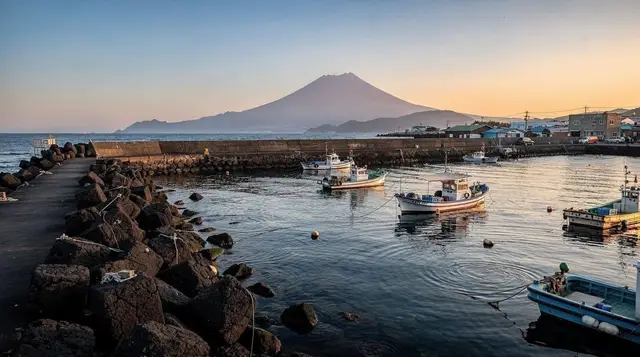
Jeju Island: Full-Day East Jeju Bus Tour with Entry Fees
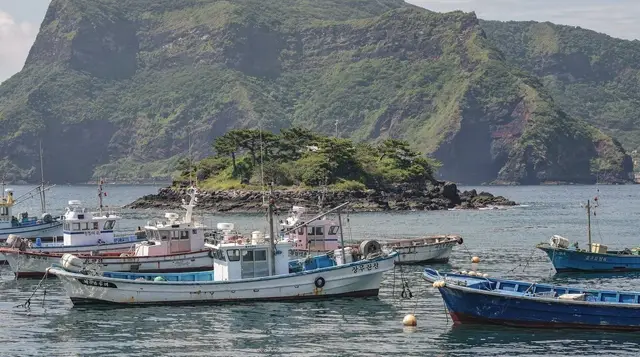
Jeju Island: Full-Day Customizable Private Guided Car Tour
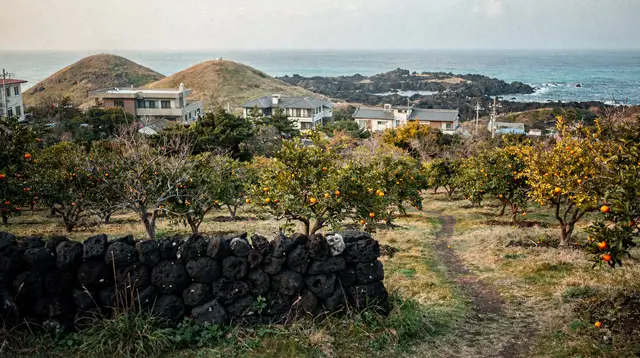
Jeju Island: Southern UNESCO Spots Day Tour
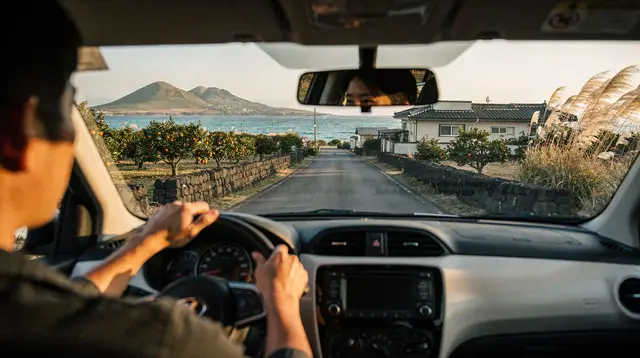
Jeju Island: Customized Private Full-Day Van Tour
Jeju Island: Eastern Tour for Leisurely Walkers