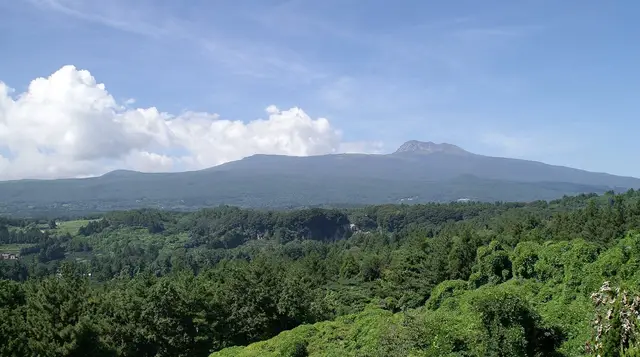
West Jeju day tour
What does a west Jeju day tour typically include?
Most west Jeju bus tours combine Hallim Park, the Osulloc green tea fields, and the Sanbangsan-Yongmeori coastal area, sometimes with Jusangjeolli Cliff added. Many listings bundle west with south Jeju into a single 'western and southern' route since the two regions border each other along the southwest coast.
West Jeju’s day-tour circuit runs along the coast from Hallim Park down toward the Sanbangsan-Yongmeori stretch, and in practice most operators fold in a slice of south Jeju as well, since the two regions share a border along the southwest coast. This guide covers what that combined route typically includes, what each stop is actually worth in time, and where it diverges from a dedicated south Jeju itinerary — plus the practical details (tides, parking, food) that a tour listing rarely spells out but that affect how the day actually goes.
| Where | Hallim Park to Sanbangsan-Yongmeori, southwest coast |
| Cost | Around ₩80,000-110,000/person (bus tour, incl. lunch) |
| Time needed | 9-10 hours (bus) or half-day-plus (self-drive) |
| Getting there | Tour pickup from Jeju City/Seogwipo, or rental car |
| Best time | Weekday mornings before 10am; low tide for Yongmeori |
Bus tour versus self-driving versus private tour
| Bus tour | Self-drive | Private tour | |
|---|---|---|---|
| Cost per person | ₩65,000-95,000 + lunch | Fuel + entry fees only | Highest, but shared across group |
| Flexibility | Fixed stop order/timing | Full control, tide-aware | High, customizable stops |
| Best for | Budget, no car | Groups of 3-4 with IDP | Small groups wanting extra time |
The core west Jeju stops
Hallim Park anchors most west Jeju routes — a paid botanical garden and lava-cave complex in west Jeju that’s manicured and reliably pleasant regardless of weather, with entry around ₩17,000. From there, routes typically continue to Osulloc’s green tea fields for a walk through the plantation rows (free to enter, 30-45 minutes typical), then down toward Sanbangsan — a distinctive lava dome with a grotto shrine partway up its slope — and the adjacent Yongmeori Coast, a wave-cut cliff formation walkable along the shoreline when tides allow.
Western and southern combined tours
Jeju: Western and Southern Sightseeing Day Tour is representative of how most operators structure this region — rather than a pure west Jeju loop, it extends into the southwest corner shared with south Jeju’s waterfall and Jungmun-area sites. If you want a single day that touches both regions’ highlights without picking one over the other, this combined format is the practical option; if you’d rather focus deeply on one region, the pure west-coast stops (Hallim, Osulloc) can be done as a shorter half-day.
Southwest authentic tours
Jeju: SouthWest Authentic Tour Mt Halla, Waterfall, Green Tea takes a different angle, working a Hallasan viewpoint and a waterfall stop into the tea-fields and southwest coastal sites rather than concentrating purely on the beach-and-garden circuit. This suits visitors who want more variety in landscape type across a single day — mountain, waterfall, coast, and cultivated garden — rather than a narrower coastal focus.
Departing from Seogwipo
If you’re staying in Seogwipo rather than Jeju City, Jeju: West of Jeju Island Bus Tour from Seogwipo City starts from the south side, cutting the transfer time that a Jeju City-based tour would otherwise add for southern hotel guests. This is worth checking specifically since the Sanbangsan-Yongmeori stretch actually sits closer to Seogwipo than to Jeju City in driving time.
Timing across the day
A full west Jeju day typically breaks down as: 40-50 minutes drive from Jeju City to Hallim Park, 90 minutes there including the cave complex, 30-40 minutes drive to Osulloc, 30-45 minutes walking the tea fields, a lunch stop of 45-60 minutes, then 45-60 minutes each at Sanbangsan and Yongmeori Coast. That’s a full 9-10 hour day with reasonable but not generous time at each stop — if Sanbangsan’s grotto climb or the tea-field photography is your priority, budget extra time there and expect to trim elsewhere.
Self-driving the route
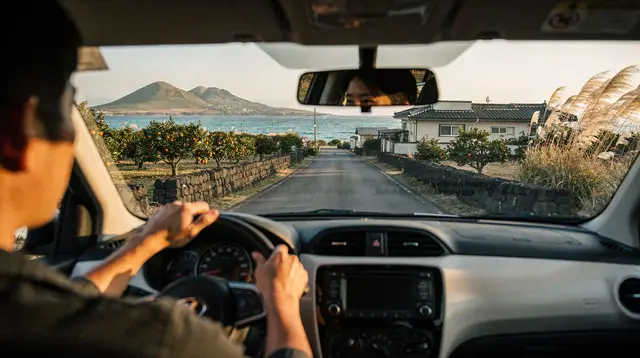
With a rental car, the same loop runs efficiently since the stops sit along a single coastal corridor: Hallim Park to Osulloc is about 20-25 minutes, Osulloc to Sanbangsan another 20-25 minutes, and Sanbangsan to Yongmeori Coast just a few minutes since they’re adjacent. This is one of the more compact regional loops on the island, making it a reasonable half-day-plus-lunch trip for drivers rather than a full 9-10 hour commitment. The west Jeju destination guide covers town-by-town details for Aewol and the other coastal towns along the way.
Realistic costs
A combined west-and-south bus tour with entry fees runs ₩65,000-95,000 per person, plus a separate lunch (₩10,000-15,000) — roughly ₩80,000-110,000 (about US$59-81) for the day. Self-driving costs only fuel, parking, and individual entry tickets: Hallim Park ~₩17,000, Sanbangsan ~₩3,000, with Osulloc and Yongmeori free to walk. For a group of 3-4 sharing a rental car, self-driving is noticeably cheaper per person, though it requires an International Driving Permit and comfort navigating unfamiliar coastal roads.
Comparing west to south Jeju as a standalone trip
Because so many tours blend the two regions, it’s worth asking whether you actually need both in one day. If waterfalls and Jungmun’s resort-area culture matter more to you than tea fields and gardens, the dedicated south Jeju day tour guide may suit better as a standalone day, saving the west-coast stops for a separate half-day. The best day tours in Jeju roundup compares all the regional options side by side, and private vs group day tours covers whether a customizable private route makes more sense than a fixed combined itinerary for your specific priorities.
Seasonal notes
West Jeju’s coastal stops are comfortable across most of the year, though summer (June-August) brings the region’s beach towns — Hyeopjae and Gwakji, a short detour from the main tour route — to their busiest, with parking pressure at Hallim Park on weekends. Winter is markedly quieter and still pleasant for the garden and tea-field stops, though Sanbangsan’s grotto path can be slippery after rain or light snow. Typhoon season (late August-September) poses the main cancellation risk for Yongmeori Coast specifically, since the wave-cut rock shelf floods at high tide even in normal conditions and becomes unsafe in storm swell.
Who this region suits
West Jeju day tours suit visitors who want a gentler, more curated day than the volcanic drama of east Jeju’s Seongsan and Manjanggul — gardens, tea fields, and a distinctive but non-strenuous lava dome rather than crater climbs and cave walks. It’s a reasonable choice for travelers with mixed-mobility groups or families with younger kids, since none of the core stops require sustained hiking. For families specifically, see the Jeju with kids guide for how this region compares to the island’s dedicated family attractions.
Food along the route
Osulloc’s on-site café serves green-tea-flavored treats (the tea ice cream is a genuine local specialty rather than a tourist gimmick) worth a stop even if you’re not doing a full sit-down meal there. For lunch proper, the towns around Hallim and Sanbangsan have small local restaurants serving standard Jeju fare — black pork and seafood options — at prices generally lower than the more tourist-oriented restaurants directly at Jungmun further south. If your tour doesn’t specify a lunch venue, ask the driver-guide for a local recommendation rather than defaulting to whatever’s closest to the parking lot.
Traffic and parking realities
Hallim Park’s parking lot fills up on weekends and during peak bloom seasons (spring canola, which grows in fields throughout this region), sometimes requiring a short walk from overflow parking. Sanbangsan and Yongmeori share a parking area that similarly gets busy on clear-weather weekends, since both draw domestic tourists as much as international visitors. Arriving before 10:00 a.m. or after 3:00 p.m. generally avoids the worst of the midday parking crunch at both locations, an advantage of a self-driven day over a fixed bus-tour schedule that arrives whenever the itinerary dictates.
The geology behind Sanbangsan and Yongmeori
Sanbangsan is a lava dome — formed by thick, slow-flowing lava that piled up around its own vent rather than spreading widely like the island’s shield-volcano landscape elsewhere — which explains its steep, distinctive silhouette rising abruptly from otherwise flat farmland. The grotto partway up its slope holds a small Buddhist shrine, Sanbanggulsa, worth the short additional climb from the main trail if time allows. Yongmeori Coast, just below Sanbangsan, exposes layered sedimentary and volcanic rock cut by wave action into a distinctive shoreline shelf — the layering itself tells a story of alternating volcanic and marine deposition that a guide can point out in more detail than a self-guided walk typically catches.
What locals do differently on this route
Residents visiting this stretch of coast tend to time Yongmeori Coast around the tide table rather than fitting it into a fixed tour schedule, since the rock shelf is only fully walkable at low tide — a detail most bus tours don’t actively manage, meaning your visit could coincide with a partially submerged shelf depending on timing. If you’re self-driving and specifically want the full coastal walk, checking a tide chart the night before and adjusting your route order accordingly is worth the extra planning step that a fixed-schedule tour can’t offer.
Combining a west Jeju day with the rest of your trip
This region’s compact geography (all stops within 20-25 minutes of each other) makes it one of the easier regions to compress into a half-day if you’re trying to balance multiple regions across a shorter trip. Pairing a morning at Hallim Park and Osulloc with an afternoon further south at Sanbangsan and Yongmeori, then continuing into a south Jeju waterfall stop on the same day, is a reasonable way to cover both regions without a full second day — provided you’re comfortable with a longer overall day than the region alone would require. The itinerary planner tool can help sequence this against the rest of a multi-day trip.
Booking and pickup mechanics
Both the combined west-and-south tours and the Seogwipo-specific departure typically confirm exact pickup times and locations the day before, drawn from a list of major hotels in Jeju City or central Seogwipo. If your accommodation sits outside these central zones — a smaller guesthouse in Aewol or a rural stay near Hallim, for example — confirm whether the operator can accommodate your specific address before booking, since some listings restrict pickup to a shorter list of central properties. Private tours generally offer more pickup flexibility than fixed bus routes for exactly this reason.
Combining west Jeju with a multi-day plan
For trips of four days or longer, splitting this region across two shorter visits — a morning at Hallim Park and Osulloc on one day, Sanbangsan and Yongmeori paired with a south Jeju waterfall on another — often produces a more relaxed pace than compressing everything into one 9-10 hour bus tour. The Jeju 5-day itinerary and Jeju 7-day itinerary both build in this kind of split rather than a single marathon day.
Accessibility notes
Hallim Park’s main paths and Osulloc’s tea-field walkways are both stroller and wheelchair accessible along their primary routes, though Hallim Park’s cave sections involve steps that aren’t accessible. Sanbangsan’s grotto trail is steep enough to rule out wheelchair access and challenging for anyone with significant mobility limitations, while Yongmeori Coast’s uneven, sometimes wet rock shelf is the least accessible stop on this route. If accessibility is a priority for your group, Hallim Park and Osulloc alone make a reasonable half-day without the steeper stops.
Canola and camellia season along the route
Spring adds a specific reason to prioritize this region: fields throughout west Jeju bloom with canola in March-April, and the canola flower season guide covers where the best fields sit relative to the Hallim-Sanbangsan corridor. Slightly earlier in the year, camellias bloom at dedicated gardens like Camellia Hill, also on the west side and workable as an add-on for winter and early-spring visitors — see the camellia season guide for exact timing. Neither bloom is guaranteed to overlap perfectly with a fixed tour date, so check current bloom reports rather than relying on the calendar month alone if flowers are a specific priority.
Combining with the Aewol coastal cafe strip
Travelers self-driving this route sometimes extend it north to Aewol’s café-lined coastal road, a popular stop for a scenic coffee break that isn’t part of standard bus-tour itineraries. The Jeju cafes Aewol guide covers specific recommendations; adding this stretch works best as an early-morning or late-afternoon extension rather than squeezing it into an already full 9-10 hour day.
Pairing with nearby beach towns
Hyeopjae and Gwakji, two of west Jeju’s best-known beach towns, sit a short detour off the main tour route and make a natural add-on for self-drivers with a little extra time, or a separate half-day for visitors staying nearby. The Hyeopjae beach guide and Gwakji beach guide cover both in more depth; neither is typically part of a fixed bus-tour stop list, so plan them as a separate stop if beach time matters to your day.
Frequently asked questions about west Jeju day tours
Why do so many tours combine west and south Jeju into one route?
Geographically, the southwest coast where Sanbangsan, Yongmeori, and Jusangjeolli sit borders both regions, so operators build loops that dip into south Jeju’s waterfall area on the way back rather than running two separate shorter routes.
Is Hallim Park worth the entry fee?
It’s a paid botanical garden and cave complex (around ₩17,000), noticeably more polished and manicured than free coastal walks, which suits visitors who want a guaranteed pleasant few hours regardless of weather. It’s not essential if your priority is Jeju’s raw volcanic landscape rather than curated gardens.
Can I skip the tea fields if I’m not interested in tea?
Osulloc’s grounds are free to walk even if you don’t buy anything, and the tea-field views themselves are a legitimate photo stop independent of the museum or café. Most tours give it 30-45 minutes, which is enough time to walk the rows and skip the shop if it’s not your interest.
How does Sanbangsan differ from a typical Jeju mountain hike?
Sanbangsan is a lava dome with a shorter, steeper trail to a grotto partway up (not the full summit, which is off-limits) rather than a long ridge hike — most visitors spend 45-60 minutes there rather than a half-day trek.
Is a west Jeju tour better by bus or private car?
Bus tours suit visitors happy with a fixed stop list at the lowest price; private tours make more sense if you specifically want extra time at one location (Sanbangsan’s grotto climb, or lingering at Jusangjeolli for photos) since the bus schedule allocates roughly equal time to each stop regardless of interest level.
Is Jusangjeolli Cliff always included in a west Jeju tour?
Not always — some routes fold it into the west-and-south combined itinerary, others treat it as part of a separate south Jeju tour near Jungmun. Check the specific stop list rather than assuming it’s automatically included.
What footwear suits this route best?
Comfortable flat shoes work for nearly every stop — Hallim Park’s paths and Osulloc’s rows are flat and paved, and even Sanbangsan’s short grotto trail, while steeper, doesn’t require hiking boots. Yongmeori Coast’s rock shelf can be slippery when wet, so grippier soles help there specifically.
Related guides

Best day tours in Jeju
A roundup of Jeju's main day-tour types — bus loops, private cars, and UNESCO-themed routes — with realistic prices and who each one suits.

Shore excursions for cruise passengers in Jeju
How to pick a Jeju shore excursion that actually fits your cruise ship's port window, with realistic timing from Gangjeong and Jeju port.

East Jeju day tour
What an east Jeju day tour actually covers — Seongsan, Manjanggul, Udo add-ons — with realistic timing, prices, and self-drive comparisons.

Is a Jeju day trip from Seoul worth it?
The real math on flying from Seoul to Jeju for a single day — flight times, ground time, and whether an overnight trip makes more sense.
Ready to book? Top tours for this guide
We earn a small commission if you book through GetYourGuide — at no extra cost to you. Every tour is hand-picked and verified.
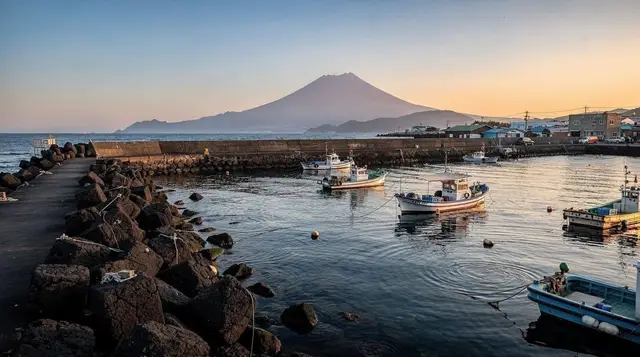
Jeju Island: Full-Day East Jeju Bus Tour with Entry Fees
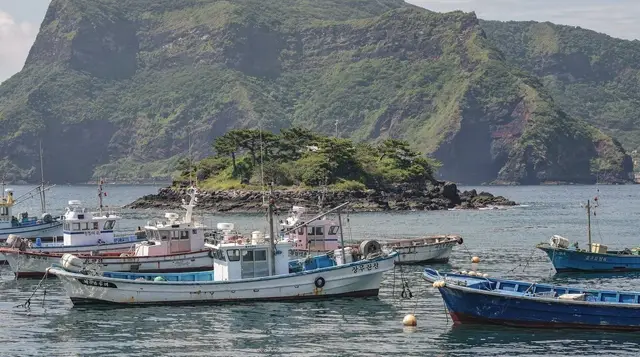
Jeju Island: Full-Day Customizable Private Guided Car Tour
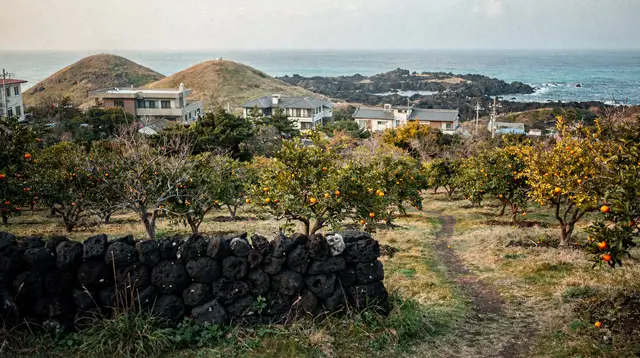
Jeju Island: Southern UNESCO Spots Day Tour
Jeju Island: Customized Private Full-Day Van Tour

Jeju Island: Eastern Tour for Leisurely Walkers