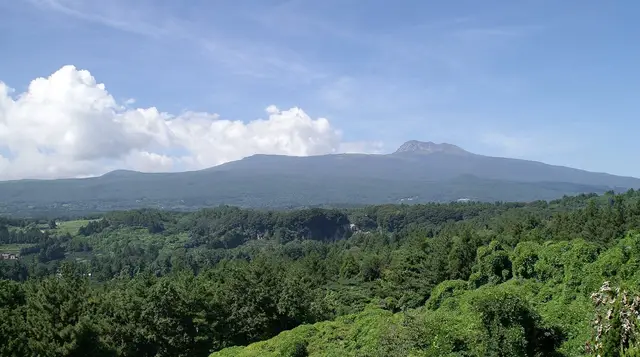
Jeju UNESCO sites day tour
What UNESCO sites does a Jeju day tour usually cover?
Jeju holds a single UNESCO Global Geopark designation covering the whole island, plus specific World Natural Heritage recognition for Hallasan, Seongsan Ilchulbong, and the Geomunoreum Lava Tube System (which includes Manjanggul). Most 'UNESCO tour' listings combine Seongsan and Manjanggul, since they're geographically close; a Hallasan stop is usually a separate route given the driving distance.
“UNESCO tour” is one of the most-used labels in Jeju’s tour marketing, but it covers a genuinely varied set of itineraries. Understanding what Jeju’s UNESCO designations actually are — and which sites a given tour combines — helps you pick the right one rather than assuming the label guarantees a specific route.
| Where | Seongsan + Manjanggul (east Jeju); Hallasan separate |
| Cost | Around ₩70,000-110,000/person (guided) |
| Time needed | 8-9 hours for Seongsan + Manjanggul |
| Getting there | Tour bus pickup or self-drive |
| Best time | October for clearest views; avoid typhoon season |
Comparing the three UNESCO components at a glance
| Component | Type | Typical time needed | Physical demand |
|---|---|---|---|
| Hallasan summit | Shield volcano hike | Full day | High (full trail hike) |
| Seongsan Ilchulbong | Tuff cone climb | 60-90 min | Moderate (paved, sloped path) |
| Manjanggul | Lava tube cave | 45-60 min | Low (flat walkway) |
What Jeju’s UNESCO status actually covers
Jeju holds three distinct designations that overlap geographically: the entire island is a UNESCO Global Geopark, recognizing its volcanic geology broadly; “Jeju Volcanic Island and Lava Tubes” is a UNESCO World Natural Heritage Site, but that designation covers three specific components rather than the whole island — Hallasan (the central shield volcano), Seongsan Ilchulbong (the coastal tuff cone), and the Geomunoreum Lava Tube System (which includes Manjanggul, the section open to visitors). A tour calling itself “UNESCO” might reference any combination of these, or use the term more loosely for a broader Geopark-branded sightseeing route.
The most common combination: Seongsan and Manjanggul
Because Seongsan Ilchulbong and Manjanggul sit within a 20-minute drive of each other in east Jeju, this pairing is by far the most common “UNESCO tour” format. Jeju: UNESCO Natural Heritage Private Tour by a Certificated Guide pairs this route with a guide specifically trained on Geopark interpretation, adding depth on the volcanic formation processes behind both sites rather than a generic sightseeing narration. For the fuller regional context, see the east Jeju day tour guide.
Tours adding a third stop
Jeju: Eastern UNESCO Tour with Haenyeo extends the Seongsan-Manjanggul pairing with a haenyeo (Jeju’s female free-diving harvesters) cultural stop, adding a heritage angle beyond the pure geology. This is worth prioritizing if the island’s living cultural heritage interests you as much as the UNESCO natural sites themselves — the two designations (Geopark and Intangible Cultural Heritage for haenyeo diving) are separate but often bundled together in tour marketing since both fall under a “unique Jeju heritage” umbrella.
Where Hallasan fits in
A genuine Hallasan summit hike is a half-day-to-full-day undertaking on its own (see the trail-specific guides for Seongpanak and Gwaneumsa), which makes it impractical to combine with Seongsan and Manjanggul in a single day tour. Most “UNESCO” tours that mention Hallasan are referring to a roadside viewpoint or a lower-elevation stop rather than the summit trek itself — check the itinerary description carefully if reaching the crater rim is your actual goal, since a viewpoint stop and a completed hike are very different experiences sold under similar-sounding tour names.
Timing across the day
A Seongsan-plus-Manjanggul UNESCO day runs 8-9 hours: roughly 90 minutes at Seongsan including the climb, an hour at Manjanggul, a 45-60 minute lunch, and travel time between stops and back to Jeju City or Seogwipo. Adding a haenyeo cultural stop or a third site extends this by 45-90 minutes, so confirm the total tour length matches your day’s schedule, particularly if you have an evening flight or ferry to catch.
Realistic costs
UNESCO-themed tours with a certified or specialized guide often run slightly above generic bus tours — roughly ₩70,000-110,000 per person including entry fees, versus ₩60,000-90,000 for a non-specialized east Jeju bus tour. The premium reflects the guide’s specific Geopark training rather than a different stop list in most cases. Private UNESCO tours cost considerably more per person for a solo traveler but become reasonable for a family or small group — see private vs group day tours for the cost breakdown.
Comparing to a general day tour
If the UNESCO framing itself isn’t important to you and you just want to see Seongsan and Manjanggul, a standard east Jeju bus tour covers the same physical stops at a lower price without the specialized-guide premium — see the east Jeju day tour guide for that comparison, and the best day tours in Jeju roundup for the full regional picture including south Jeju’s own UNESCO-adjacent framing around Hallasan viewpoints.
For cruise passengers
Full-length UNESCO day tours (8-9 hours) generally don’t fit within a typical cruise port window. If you’re arriving by cruise ship and want to see Seongsan or Manjanggul within your limited time ashore, look specifically for cruise-tailored UNESCO tours rather than the standard full-day version — the shore excursions guide covers tours built around actual ship departure times.
Seasonal notes
October gives the clearest conditions for photographing both Seongsan’s crater rim and the coastal approach to Manjanggul, while summer haze reduces visibility from Seongsan specifically. Typhoon season (late August-September) carries the highest cancellation risk, since Seongsan’s climb can close outright in extreme wind — confirm the operator’s weather and rebooking policy if traveling in this window.
A closer look at each of the three World Natural Heritage components
Hallasan, the shield volcano forming the island’s central highlands, earns its designation from its scale and the crater lake at its summit (Baengnokdam), reachable via the Seongpanak or Gwaneumsa trails — the only two routes permitted to the actual summit, both requiring a full day and, on Gwaneumsa, a timed entry system during peak season. Seongsan Ilchulbong represents a different formation type entirely: a hydrovolcanic tuff cone built from consolidated ash rather than solidified lava flow, formed in a single explosive eruption sequence roughly 5,000 years ago when magma met shallow seawater.
The Geomunoreum Lava Tube System, of which Manjanggul is the publicly accessible section, represents Jeju’s most extensive underground lava tube network, formed 200,000-300,000 years ago as flowing lava’s surface cooled while its molten core continued draining downhill, leaving a network of interconnected tubes behind — most of which remain closed to visitors for conservation reasons, with Manjanggul’s roughly 1km public section serving as the accessible showcase.
Why the three components aren’t equally easy to combine
The geographic spread between these three components is the core reason few single-day tours attempt all three: Hallasan sits centrally, Seongsan and Manjanggul cluster in the east roughly 20 minutes apart from each other, and driving between the central highlands and the east coast adds 45-60 minutes each way beyond what a Seongsan-Manjanggul day already requires. A tour promising all three in one day either compresses each stop into an unsatisfying quick visit or substitutes a Hallasan viewpoint (visible from a roadside pull-off) for the actual hike — worth confirming explicitly before booking if reaching Hallasan’s crater rim is genuinely your goal rather than just seeing the mountain from a distance.
How the Geopark designation actually works day-to-day
Being a UNESCO Global Geopark doesn’t restrict how sites within it are managed the way a stricter conservation designation might — it’s primarily a recognition and branding framework that supports education and sustainable tourism around the island’s geological significance, rather than a legal protection status that changes entry rules or visitor caps. In practice, this means Seongsan and Manjanggul operate with the same entry fees and hours whether or not a given visitor knows or cares about the UNESCO status — the designation matters more for how a tour is marketed and interpreted than for how it’s physically run.
Certified guides versus standard tour guides
A certified Geopark guide undergoes specific training on the island’s volcanic history and formation processes beyond what a general tourism guide license requires, and this shows up in the depth of on-site explanation — expect more detail on formation timelines, rock composition, and the broader Geopark network’s other sites (including ones not on your specific itinerary) from a certified guide than from a standard tour operator’s staff. Whether this added depth justifies the modest price premium depends on how much the geological story interests you versus simply wanting to see the sights.
Practical tips for a UNESCO-focused day
Bring a light jacket regardless of the season, since Manjanggul’s constant 11-21°C interior temperature runs noticeably cooler than the surface, especially in summer when the contrast is most dramatic. Sturdy, closed-toe shoes matter more here than on a general sightseeing tour, since Seongsan’s paved but sloped path and Manjanggul’s uneven cave floor both reward good footing over sandals. If your route includes a Hallasan viewpoint rather than the summit hike, don’t expect a close-up crater view — most roadside viewpoints show the mountain’s silhouette from a distance rather than the crater lake itself, which is only visible from the actual summit trails.
What to skip if the UNESCO framing doesn’t matter to you
If seeing Seongsan and Manjanggul is your actual goal and the UNESCO branding itself isn’t a draw, a standard east Jeju bus tour covers identical physical stops without the specialized-guide premium — see the east Jeju day tour guide for that version. The UNESCO framing adds real value specifically for visitors interested in the formation science and broader Geopark context, and adds cost without much practical difference for visitors who just want to see the sites.
Combining UNESCO sites across a longer trip
For visitors with more than a single day, splitting the three World Natural Heritage components — Hallasan, Seongsan, and the Geomunoreum Lava Tube System — across separate days rather than compressing them into one rushed itinerary allows a genuine hike at Hallasan (rather than just a viewpoint stop) alongside unhurried time at the other two. The best day tours in Jeju roundup and itinerary planner tool can help sequence this across a multi-day trip rather than trying to force all three components into a single UNESCO-branded day.
Photography considerations at each site
Seongsan Ilchulbong’s crater rim viewpoint is at its clearest and least hazy on autumn mornings, with the tuff cone’s texture standing out sharply against the sky — arriving on an earlier tour departure or booking a sunrise-specific option helps avoid both crowds and midday haze in frame. Manjanggul’s interior is genuinely dark beyond the lit walkway sections, so a phone camera with night mode or a small flashlight helps for anything beyond the well-illuminated entrance area; flash photography is generally discouraged near any formations. If Hallasan is part of your itinerary as a viewpoint stop rather than the summit hike, the clearest photography window mirrors Seongsan’s — clear autumn mornings before afternoon cloud typically builds around the peak.
How this fits a first Jeju visit
For a first-time visitor building a broader itinerary, a UNESCO-labeled day works well as one day within a longer trip rather than the sole day-trip choice — see the first-time Jeju planning guide and the how many days in Jeju guide for how a UNESCO day typically slots alongside beach time, a food-focused day, and west-side sights like Hallim Park or the Jusangjeolli cliffs.
Self-driving the UNESCO sites instead
For travelers with a rental car and an international driving permit, self-driving to Seongsan and Manjanggul independently is a realistic alternative to a guided tour — see the car rental and IDP guide for the paperwork. Self-driving trades away the certified guide’s formation-science context for full control over pacing and the option to linger at one site and skip another. It also removes the fixed 8-9 hour tour schedule, letting you split the two sites across different days if a single long day doesn’t suit your trip.
Frequently asked questions about Jeju UNESCO sites tours
Is Jeju entirely a UNESCO World Heritage Site?
Not exactly — Jeju holds three separate UNESCO designations that overlap on the island: Jeju Island itself is a UNESCO Global Geopark, and “Jeju Volcanic Island and Lava Tubes” is a World Natural Heritage Site covering three specific components (Hallasan, Seongsan Ilchulbong, and the Geomunoreum Lava Tube System). It’s not a blanket designation for every attraction on the island.
Do UNESCO tour names always mean the same itinerary?
No — check the stop list carefully. Some “UNESCO” tours combine Seongsan and Manjanggul only, others add a Hallasan viewpoint, and some use the UNESCO label more loosely to describe a broader east or south Jeju sightseeing route. The marketing name is less reliable than the actual stop list in the listing.
Can I combine all three UNESCO components in a single day?
Technically possible but rushed — Hallasan sits centrally while Seongsan and Manjanggul cluster in the east, and a genuine Hallasan hike (rather than just a roadside viewpoint) takes most of a day on its own. Most realistic single-day tours pick two of the three, or substitute a Hallasan viewpoint stop for the full hike.
Is a certificated guide worth paying extra for?
For UNESCO Geopark sites specifically, a certified geopark guide can add real context about the volcanic formation processes that a generic tour guide may not cover in the same depth — worth it if geology and formation history interest you beyond just seeing the sites.
Do these tours suit cruise passengers with limited time?
Only the shorter versions — a full Seongsan-plus-Manjanggul day typically runs 8-9 hours, which exceeds most cruise port windows. Cruise-specific UNESCO tours exist with a trimmed stop list built around actual ship departure times.
Does visiting a UNESCO site come with any special rules or restrictions?
Geopark and World Heritage status generally doesn’t add visitor restrictions beyond an entry fee and standard park rules (no littering, staying on marked paths), though Hallasan’s designation does come with seasonal trail closures and, on the summit routes, timed entry permits.
Is the UNESCO label used accurately in Jeju tour marketing?
Mostly, but loosely — operators sometimes use “UNESCO” as shorthand for the island’s Geopark branding more broadly rather than strictly referencing the specific World Natural Heritage components. It’s not deceptive so much as imprecise, which is why checking the actual stop list matters more than the tour name.
Related guides

East Jeju day tour
What an east Jeju day tour actually covers — Seongsan, Manjanggul, Udo add-ons — with realistic timing, prices, and self-drive comparisons.

Best day tours in Jeju
A roundup of Jeju's main day-tour types — bus loops, private cars, and UNESCO-themed routes — with realistic prices and who each one suits.

Shore excursions for cruise passengers in Jeju
How to pick a Jeju shore excursion that actually fits your cruise ship's port window, with realistic timing from Gangjeong and Jeju port.

Is a Jeju day trip from Seoul worth it?
The real math on flying from Seoul to Jeju for a single day — flight times, ground time, and whether an overnight trip makes more sense.
Ready to book? Top tours for this guide
We earn a small commission if you book through GetYourGuide — at no extra cost to you. Every tour is hand-picked and verified.
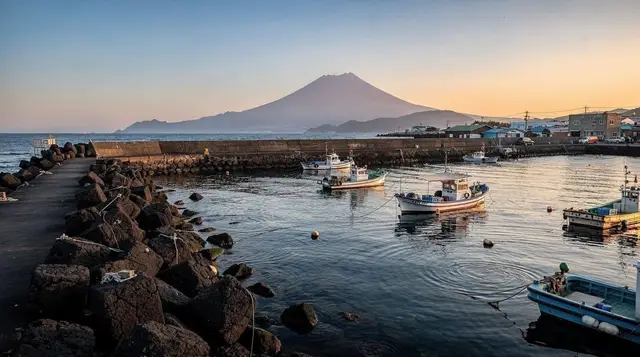
Jeju Island: Full-Day East Jeju Bus Tour with Entry Fees
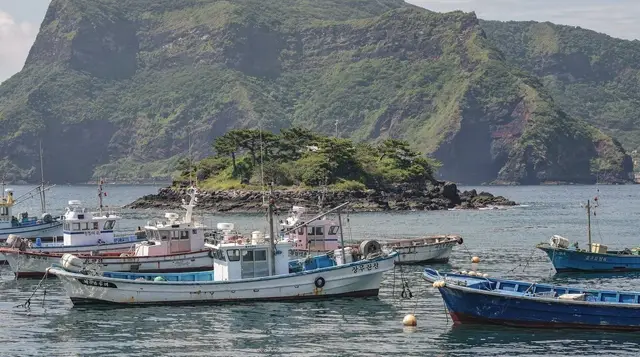
Jeju Island: Full-Day Customizable Private Guided Car Tour
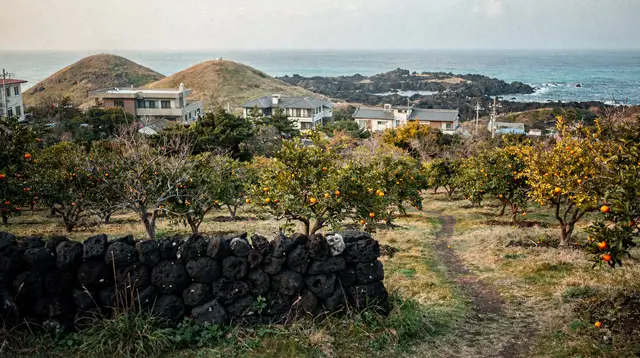
Jeju Island: Southern UNESCO Spots Day Tour

Jeju Island: Customized Private Full-Day Van Tour

Jeju Island: Eastern Tour for Leisurely Walkers